
Last updated November 2, 2026
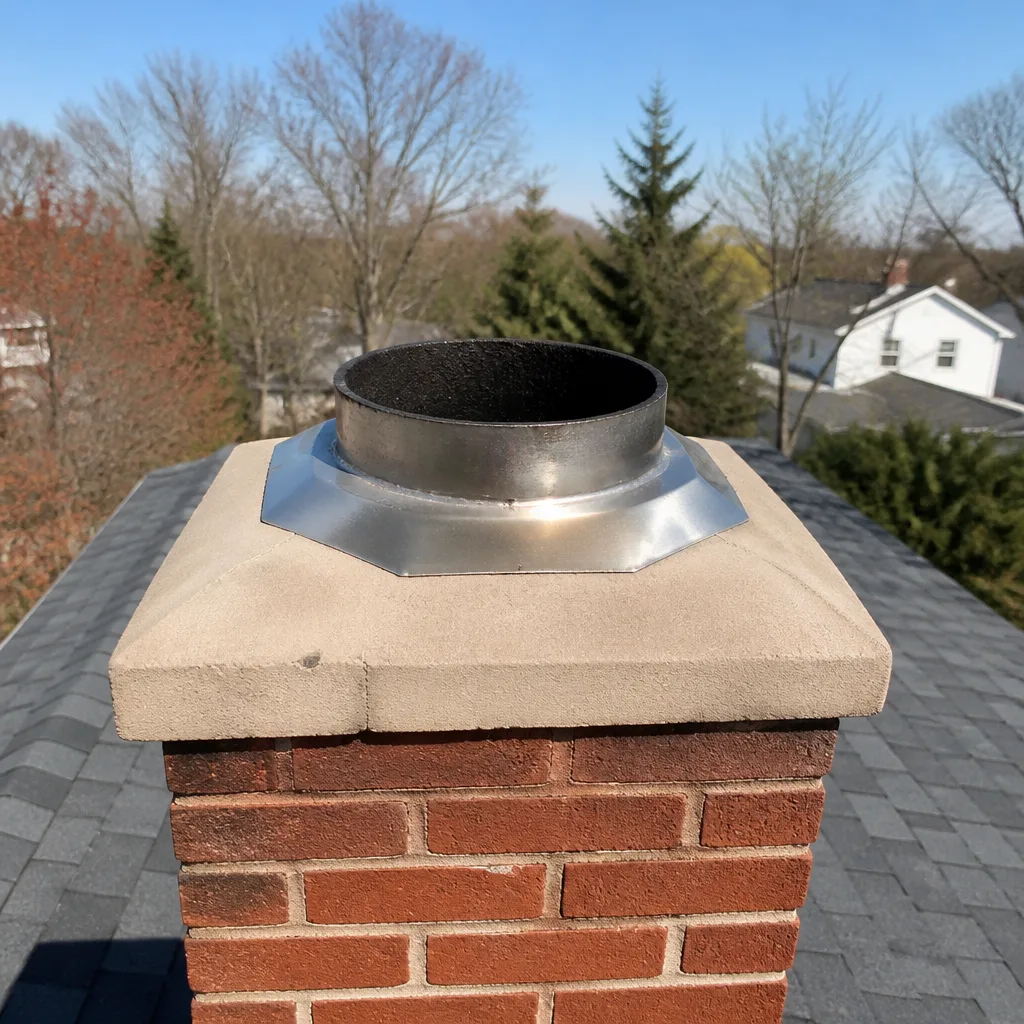 Sweep & inspection
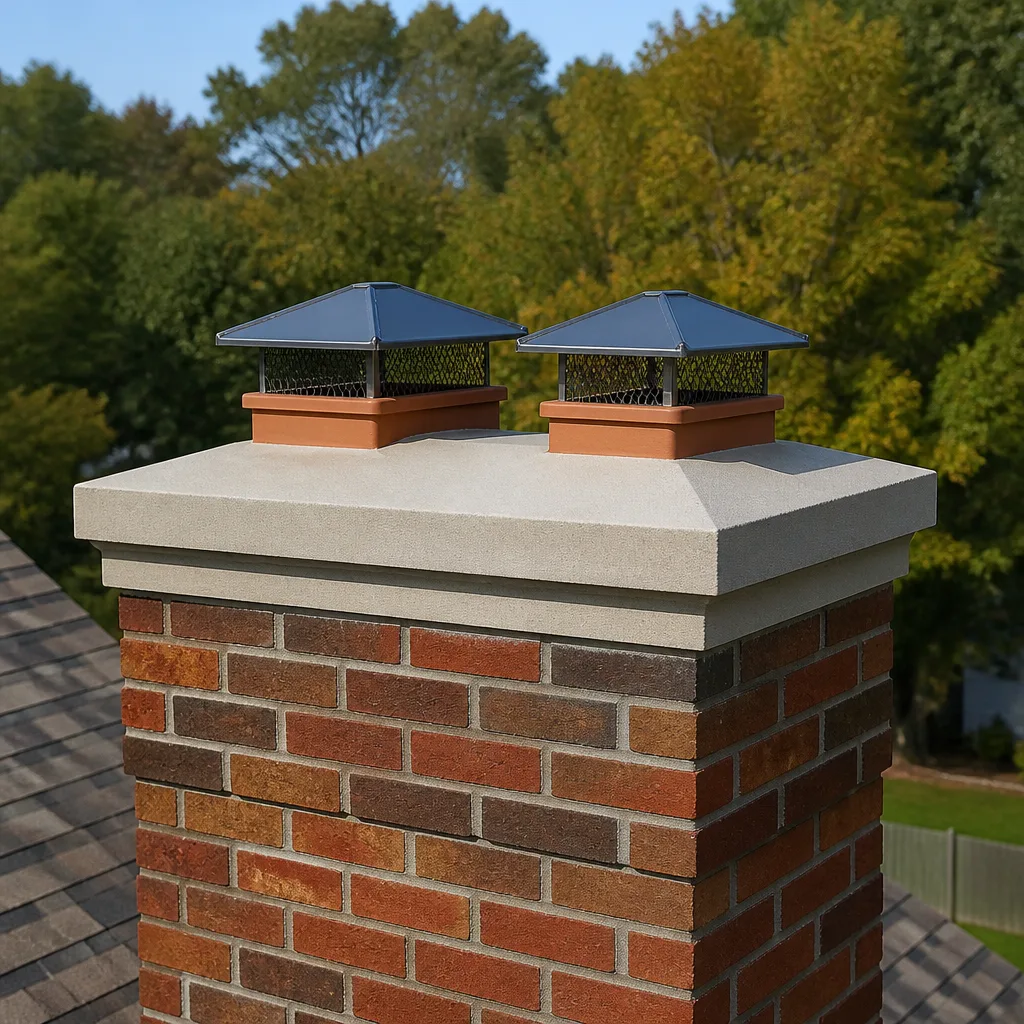 Caps & crowns
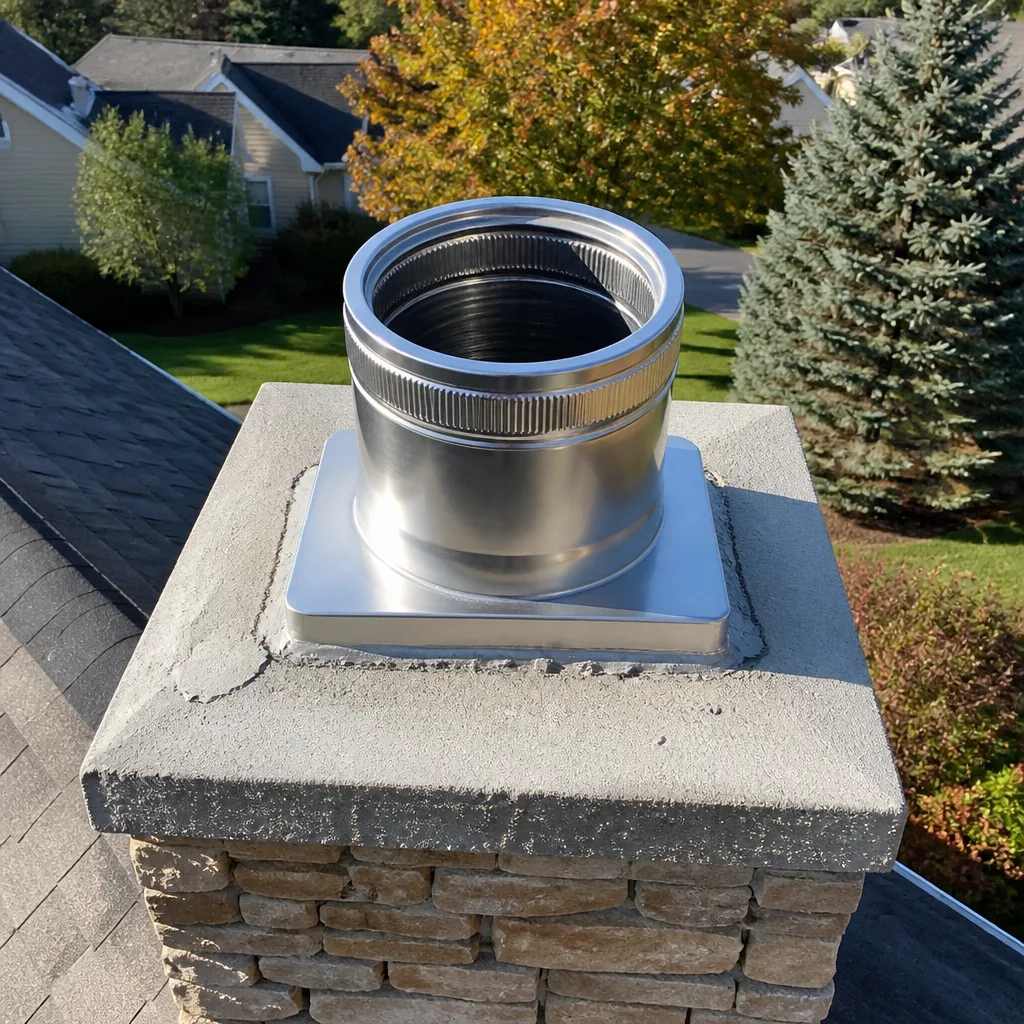 Flue relining
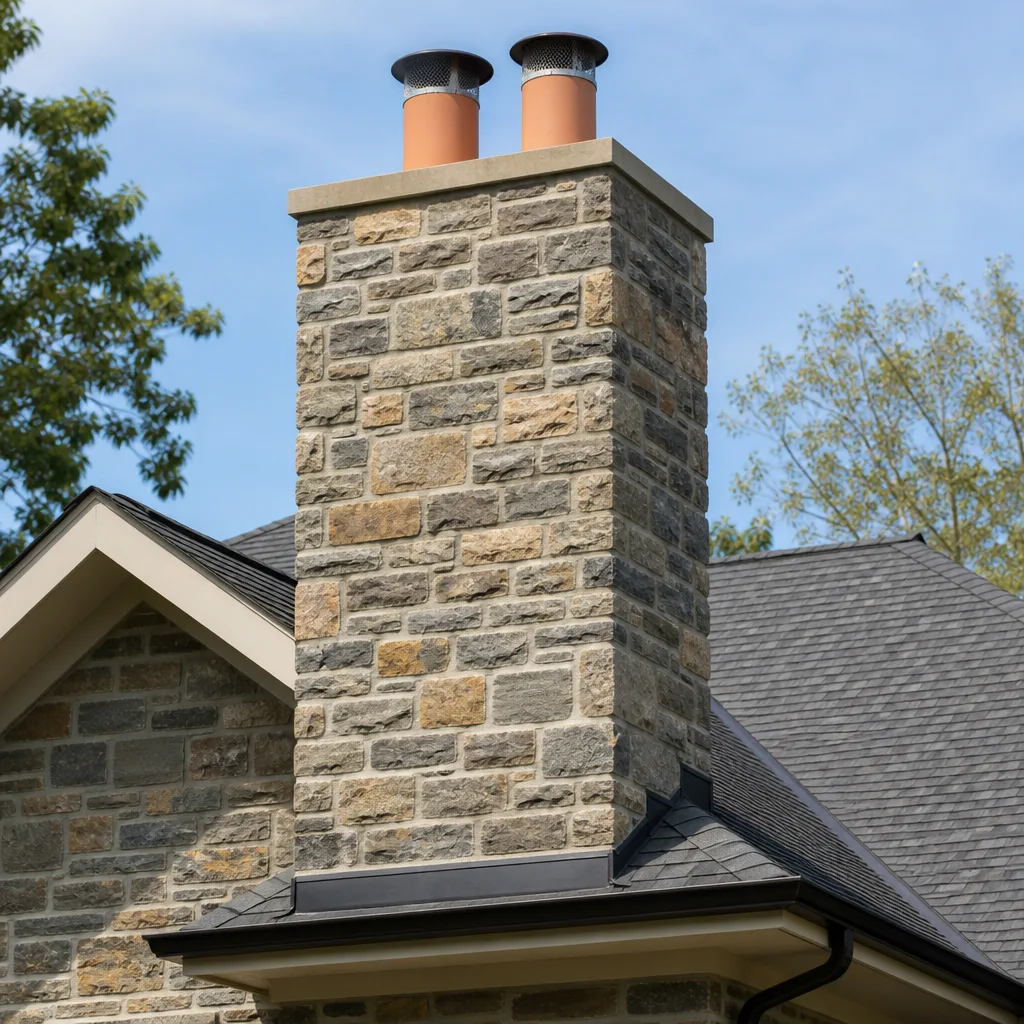 Masonry repair
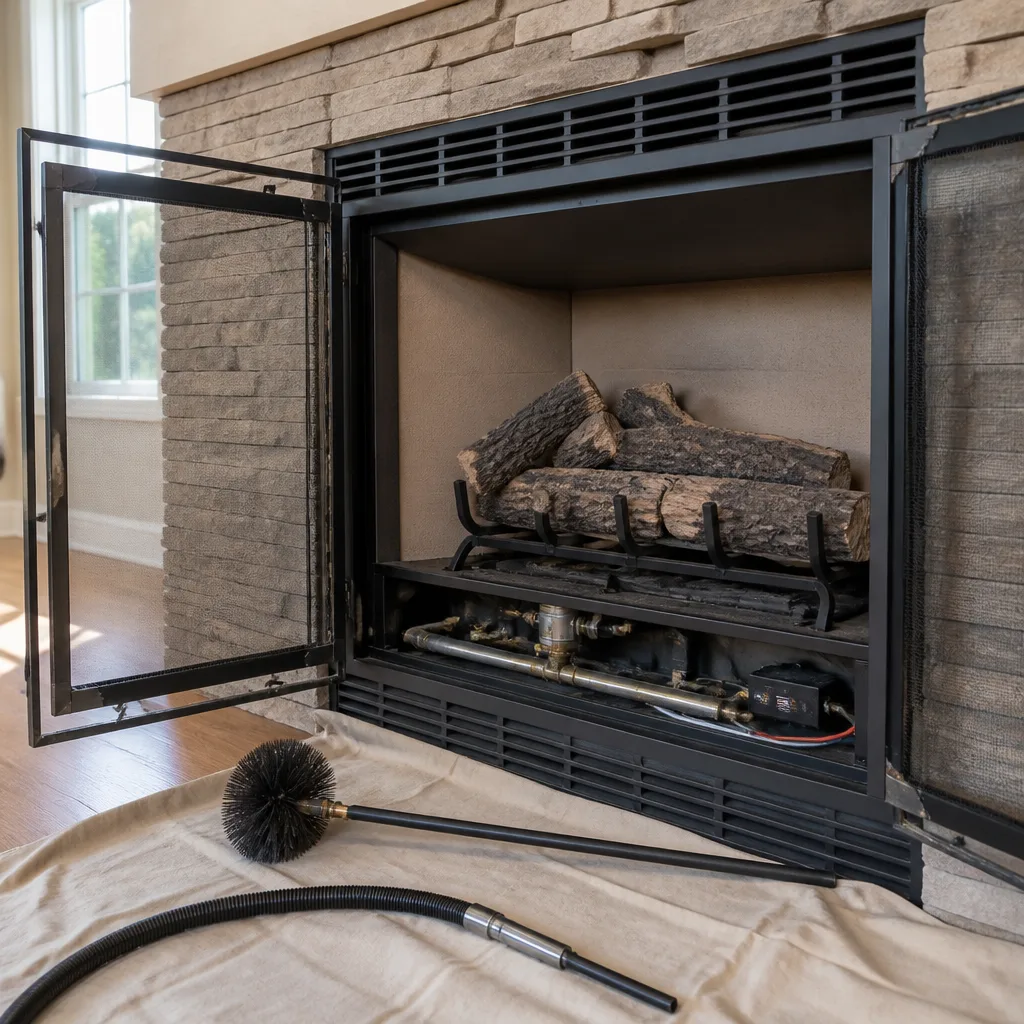 Gas fireplace service
Level 1 sweep and inspection to the NFPA 211 annual standard - flue, crown, cap, and flashing checked and photographed
Chimney sweep logs do not sweep chimneys. They loosen some creosote - which then falls where a brush and vacuum still have to collect it.
Chimney Cleaning Emergency Preparedness Guide for Vermont Vista Homes
A chimney fire burns at over 2,000°F. It can propagate to your roof structure in under four minutes. And calling 911 is not the only decision you need to make in those first four minutes. If you own a home in Vermont Vista, you face a scenario most chimney emergency guides never address: a chimney fire breaking out during California’s high-wind red flag conditions changes the response calculus entirely compared to a chimney fire in a snow-insulated suburb. This guide walks through the real-time decisions, the pre-season preparation, and the post-event inspections that determine whether a chimney emergency becomes a house fire or stays a contained scare. For chimney cleaning warning signs every Vermont Vista homeowner should know, see our dedicated reference.
Quick Answer
Chimney fire emergency preparedness in Vermont Vista means knowing the immediate sequence when a fire starts (cut the air supply, call 911, evacuate based on roof/wind conditions), having your chimney swept and inspected before red flag season, documenting your chimney’s current condition with photos, and understanding why a post-fire Level 2 inspection is mandatory before you burn again. A clean chimney is a safe chimney, and in Vermont Vista’s fire-risk climate, preparation happens in October, not when the flames are already in the flue.
Styles & brands we work with
- Sweep & inspection
- Caps & crowns
- Flue relining
- Masonry repair
- Gas fireplace service
Table of Contents
- What Actually Happens During a Chimney Fire in Vermont Vista
- The First Four Minutes: Draft Reduction, Fire Call, Evacuation Decision
- Red Flag Wind Conditions and Why They Change Your Chimney Risk
- Pre-Season Emergency Prep for Vermont Vista Homeowners
- The Slow Smolder: How to Tell If You’ve Already Had a Chimney Fire Without Knowing It
- What a Chimney Fire Does to Your Liner (And Why Post-Fire Inspection Is Non-Negotiable)
- Emergency Contacts and Documentation to Have Ready Before Fire Season
- How Cleaning Frequency Affects Your Emergency Risk
What Actually Happens During a Chimney Fire in Vermont Vista
Chimney fires come in two forms. The first is the loud, obvious one: a roar that sounds like a freight train or a low-flying jet, flames shooting from the chimney cap, dense smoke, and sometimes popping or cracking noises from inside the flue. The second is the quiet one: a slow, smoldering fire inside the chimney that never announces itself, burning at lower temperatures over hours. Both damage the chimney. Both warrant a professional response. And in our experience serving Vermont Vista, homeowners often mistake the loud version for a house fire and the quiet version for a normal burn.
What ignites is creosote: the tarry byproduct of incomplete wood combustion that condenses on the inner walls of your flue. It accumulates every time you burn. It can be crusty, flaky, sticky, or glazed depending on your burning habits and chimney temperatures. Glazed creosote is the most dangerous: dense, highly concentrated fuel that ignites readily and burns hot enough to crack flue liners. Vermont Vista’s cool winter mornings and dry air mean wood stoves and fireplaces run long hours through burning season, which means creosote accumulation is not theoretical. It’s a seasonal certainty for anyone who doesn’t sweep regularly.
What changes the stakes in Vermont Vista specifically is what surrounds your chimney. Older homes here often have wood-framed roof structures within inches of the flue. During a chimney fire, the flue can radiate enough heat to ignite framing, roof sheathing, or insulation through radiant heat transfer alone. The fire does not need to physically escape the chimney to set your attic on fire. That’s what makes the next section of this guide the most important thing you’ll read today.
The First Four Minutes: Draft Reduction, Fire Call, Evacuation Decision
When a chimney fire starts, you have decisions to make in a compressed window. Here is the sequence, in order, with the reasoning behind each step.
- Reduce the draft. Close the damper fully if your fireplace has one. Do not open the stove door. Cut off the air supply feeding the fire. For wood stoves, close all air intake controls. For fireplaces with glass doors, close them. This step directly reduces the oxygen flowing through the chimney, which slows combustion in the flue.
- Call 911. Do not wait to see if it calms down. A chimney fire puts heat directly against combustible framing. The fire department can assess spread risk, including the attic and roof, in ways you cannot from the living room. Tell the dispatcher you have a chimney fire and whether you see flames at the chimney cap.
- Make the evacuation decision based on roof and wind conditions. If you see smoke in the attic or upstairs rooms, leave immediately. If flames are visible at the chimney cap and wind is blowing embers toward your roof or neighboring homes, leave immediately. If the fire is contained and the fire department is en route, stay outside and monitor. The National Fire Protection Association says chimney fires account for roughly 25,000 residential fires annually in the U.S. In a dense neighborhood like Vermont Vista where homes sit close together, ember cast during high winds becomes a threat beyond your own roofline.
Here’s the part most emergency guides skip: the chimney fire itself may be extinguished in minutes, but the safety decision isn’t over. The flue has just been exposed to temperatures that can crack clay liners, warp stainless steel flue components, separate flue sections, and compromise the structural bond between the flue and your home. You cannot see any of this from the hearth. You will only see it during a post-event camera inspection, which we’ll address in depth further down.
Red Flag Wind Conditions and Why They Change Your Chimney Risk
California’s red flag warnings are issued when low humidity combines with sustained winds of 25 mph or greater and warm temperatures. For Vermont Vista, lying within the broader Los Angeles basin and subject to Santa Ana wind patterns, this is not an occasional weather event. It’s a recurring seasonal condition that turns a contained chimney fire into a structure fire risk with one gust.
When a chimney fire produces embers, those embers exit the chimney cap and are carried by the wind. Under red flag conditions, embers can travel a quarter mile or farther before landing. If they land on your roof, a neighbor’s roof, dry brush, or a wood shake roof anywhere downwind, ignition can occur quickly. This is why the first fire of the season in Vermont Vista should not happen before a chimney sweep has inspected and cleaned the flue. By November, many homeowners here have already been burning for a month. If your chimney sat all summer, and you never had it checked, you’re lighting a fire inside a system you haven’t verified.
The National Weather Service categorizes red flag conditions based on specific thresholds, but for a homeowner, the practical translation is this: if the wind is blowing hard enough to rattle windows and the air feels dry, do not start a fire in a chimney you haven’t had inspected. Our team has completed chimney repairs in Vermont Vista for flues that were only discovered to be damaged after the first high-wind burn exposed cracks that would have been caught in a pre-season sweep. The repair itself was necessary either way. The timing made the difference between a scheduled service call and a fire department response.
Pre-Season Emergency Prep for Vermont Vista Homeowners
Emergency preparedness is less about what you do during the emergency and more about what you did before it. For a complete chimney sweep maintenance checklist for Vermont Vista homeowners, follow this structured prep sequence before the first burn of the season.
- Schedule a professional chimney sweep and inspection. The Chimney Safety Institute of America recommends an annual inspection for any chimney in active use. A sweep removes creosote accumulation, and the inspection verifies flue liner condition, cap integrity, damper function, and proper draft. At Chimney Sweep Vermont Vista home, we perform this as a combined service: clean the flue, then inspect it with a camera so you see what we see.
- Take photos of your chimney’s current condition. Before you burn, photograph the chimney from the ground: the cap, the crown, the exterior masonry. Include close-ups of any visible cracks, spalling, or rust. These photos create a baseline. If something changes after a burn, you have a reference point. Insurance adjusters benefit from documented pre-existing conditions.
- Review your homeowner’s insurance policy for chimney coverage. Most policies cover chimney fires as part of your dwelling coverage, but the specifics vary: some policies cover the fire damage but not the liner replacement that follows; some require proof of annual maintenance. Call your agent for a 10-minute chimney coverage review. It’s the most unpleasant phone call you’ll be glad you made.
- Store contractor numbers somewhere findable in a hurry. Your chimney sweep’s number, your insurance agent’s line, and your local fire department’s non-emergency number should be written down. Not just in your phone. On paper, in a drawer near the fireplace, where you’ll find it when your hands are shaking.
Half of emergency preparedness is lowering the odds. In Vermont Vista, where many homes date from the mid-20th century and have original masonry chimneys, decades of thermal cycling have already stressed the clay liners. A pre-season camera inspection finds that. A brush-only sweep, by contrast, leaves the structural question unanswered. One tells you whether you’re prepared. The other just removes the fuel.
The Slow Smolder: How to Tell If You’ve Already Had a Chimney Fire Without Knowing It
Not every chimney fire announces itself with a freight-train roar. Slow-burning chimney fires happen at lower temperatures, sometimes over several hours, and homeowners mistake them for an unusually hot, crackling fire. Here’s the physical evidence that tells you a smoldering chimney fire has already occurred.
- Creosote that has expanded and puffed. Creosote normally sits as a thin, crusty layer on the flue walls. After a chimney fire, it puffs up like popcorn, developing a bubbly, expanded texture. This is the single most common sign we find during post-event inspections.
- Flakes of creosote in the firebox or on the roof. After a chimney fire burns through creosote, pieces can detach and fall into the firebox or be ejected from the chimney cap. Check your firebox floor and the ground around your chimney’s base for unusual debris.
- Damaged or warped chimney cap. A chimney cap made of thin metal will discolor, warp, or show heat damage after a chimney fire passes through it. If your cap looks heat-blued or misshapen, the flue beneath it has been hot, and recently.
- Cracked flue tiles visible from the top. If you can safely view down your chimney from the roof and see cracks, breaks, or missing tiles, stop burning. This is a structural hazard.
- Discolored or distorted rain cap and spark arrestor screen. The screen mesh on your cap is thin-gauge metal. A chimney fire burns it through or warps it. This is evidence of temperatures that also compromised your flue liner – whether or not you heard anything.
We’ve seen Vermont Vista chimneys where the homeowner swore there had never been a chimney fire, yet the camera showed expanded creosote and hairline flue cracks. The fire happened quietly. It happens more than anyone wants to admit. The only way to know is to look inside.
What a Chimney Fire Does to Your Liner (And Why Post-Fire Inspection Is Non-Negotiable)
Your chimney liner is the only barrier between the fire you build in your fireplace and the wooden framing of your home. When a chimney fire burns at 2,000°F-plus, it damages that barrier in predictable ways. Understanding that damage explains why a post-fire Level 2 inspection is not a recommendation. It’s the difference between lighting a fire in a safe appliance and lighting a fire inside a compromised system.
Clay tile liners crack under thermal shock. The sudden, uneven heating of a chimney fire creates stress fractures at the mortar joints and through the tile bodies themselves. Once a clay liner has cracked, the gaps expose combustible framing to direct heat on every subsequent fire. This is not progressive deterioration. It’s a binary failure: the liner was intact, and now it is not.
Stainless steel liners warp and can separate at seams. A flexible stainless liner subjected to chimney-fire temperatures can deform. That deformation breaks the continuous path that carries smoke and heat upward. The breach may be small, but any breach allows hot gases to reach the surrounding chimney cavity, where framing sits inches away.
Both scenarios require professional repair before the next burn. In some cases, a full liner replacement is necessary. In others, a resurfacing is the right call. We work with HeatShield, a ceramic resurfacing system that restores liner function without the demolition cost of full replacement. We also install liner systems from Olympia Chimney, which makes UL-listed stainless steel liners for masonry, wood stove, and gas appliance applications. The brand matters because a liner is a fire-rated component. It’s not a commodity. Using a professional-grade system means the repair is engineered for flue conditions, not generic hardware-store pipe.
No repair should happen without a camera inspection first. You need to see the liner condition yourself: the cracks, the separation, the mortar deterioration. If a contractor tells you a liner needs replacement but won’t show you the video, slow down. A Level 2 inspection includes interior chimney surfaces and accessible portions of the flue, performed by camera. If the footage shows damaged flue tiles, you see it. If it shows a clean, intact liner, you see that too. In Vermont Vista specifically, where many flues are 1980s-era and older, we find a meaningful percentage of liners that need work once the camera goes in. But the camera decides. Nothing is recommended without evidence you can see.
Emergency Contacts and Documentation to Have Ready Before Fire Season
Here is the single most underrated form of emergency preparedness for Vermont Vista homeowners: a chimney file. It’s a folder, physical or digital, containing everything a fire investigator, insurance adjuster, or chimney professional would need in the aftermath of an event.
What goes in the chimney file:
- Inspection and sweep reports. Every service report from a chimney professional should be retained. These documents establish your maintenance history and demonstrate reasonable care if an insurance claim is ever filed.
- Photos of the chimney before each burning season. Dated, geotagged if possible. Show the cap, crown, and exterior masonry condition. After a fire, these images provide a “before” state for the adjuster.
- Your insurance policy’s chimney and flue coverage documentation. Know what your deductible is, what your dwelling coverage limit covers, and whether your policy includes code-upgrade coverage. After a chimney fire, the repair to bring a flue to current code may differ from the repair to restore the previous condition. Code-upgrade coverage pays that difference.
- Your chimney professional’s phone number. Written on paper, in the file, next to the fireplace. If a chimney fire happens, the fire department clears the scene and you’re left with a damaged flue and a cold house. You don’t want to start researching chimney sweeps from scratch at that moment.
- Your local fire department’s non-emergency line. For post-event questions about safe re-entry or to request a fire-safety home assessment.
This file takes 30 minutes to assemble and costs nothing. In an emergency, it converts chaos into a sequence of known steps. You know who to call, what to tell them, and what your coverage allows. In our experience, homeowners who keep good chimney records also tend to schedule seasonal maintenance. The correlation isn’t accidental. Awareness fuels preparation.
How Cleaning Frequency Affects Your Emergency Risk
You cannot have a chimney fire in a clean chimney. That’s an oversimplification, but the logic holds: chimney fires require creosote as fuel. Remove the creosote, and you’ve removed the only thing in the flue that can ignite and sustain combustion.
How often you need sweeping depends on how you burn. The National Fire Protection Association’s standard (NFPA 211) says chimneys should be inspected annually and cleaned as needed. In practice, for Vermont Vista homeowners burning well-seasoned hardwood in an open fireplace, that usually means one sweep per year. For those burning unseasoned wood, running a wood stove as primary heat, or burning pressed logs with high moisture content, creosote builds faster and may justify two sweeps per year.
What about the chimney that’s cleaned every year without fail? That’s the prepared homeowner. The annual sweep removes the fuel. The annual inspection catches the liner problem before it becomes an emergency. Many chimney emergencies we respond to were entirely preventable with a service call that would have taken an hour. The fix was a brush and a vacuum, not a fire department response and a liner replacement.
And what about dryer vents? A clogged dryer vent isn’t a chimney fire, but it shares the same underlying physics: blocked airflow, built-up combustible material, and heat. The U.S. Fire Administration identifies dryer vent fires as a leading cause of appliance-related house fires. At dryer vent cleaning in Vermont Vista, we treat the dryer exhaust system with the same rigor as a chimney flue. If your dryer has been taking longer to dry clothes, or the outside vent flap doesn’t open during operation, that’s a blockage forming. Vermont Vista homes with long dryer-vent runs or vertical roof terminations are especially prone to lint accumulation. A blocked vent makes the dryer work harder, run hotter, and create conditions where a lint fire can start. The preparation principle is the same: clean the path, remove the fuel, verify the flow.
Common Mistakes to Avoid
- Burning a chimney fire out. The instinct to “let it burn itself out” is dangerous. A chimney fire can gutter down and appear extinguished while smoldering creosote remains hot inside the flue. Always call 911 and have the chimney inspected before using the fireplace again.
- Using water to extinguish a chimney fire. Throwing water down a burning chimney can cause thermal shock that shatters clay liners instantly. The same water can turn creosote into a steam-driven mess that spreads fire. Let the fire department handle extinguishment.
- Burning unseasoned wood. Wet wood burns cooler, which means more creosote condenses in the flue, which means more fuel for the next chimney fire. Burn wood with a moisture content below 20%, which means splitting and stacking it for at least six months in covered storage before burning.
- Skipping the pre-season inspection because “it looked fine last year.” A chimney can degrade in one season. Thermal cycling cracks tiles. Birds or animals can nest in the flue during summer. The inspection is annual because the risk is annual.
- Assuming a chimney fire only damages the flue. The fire event also stresses the roof structure, the chimney crown, and the cap. Even if the flue liner looks intact, the surrounding masonry and roof-flashing interface need inspection.
- Not telling the chimney professional you had a chimney fire. Some homeowners are embarrassed, or worried about insurance implications, and they schedule a routine sweep without mentioning the event. This changes the inspection protocol. A post-fire chimney requires a Level 2 inspection minimum, with camera verification. The sweep needs to know.
- Delaying post-fire inspection because “we didn’t use the fireplace much after that.” Time doesn’t heal a cracked liner. It just hides it until the next fire, which may be the one that spreads to the attic. Inspect before the next burn, not after.
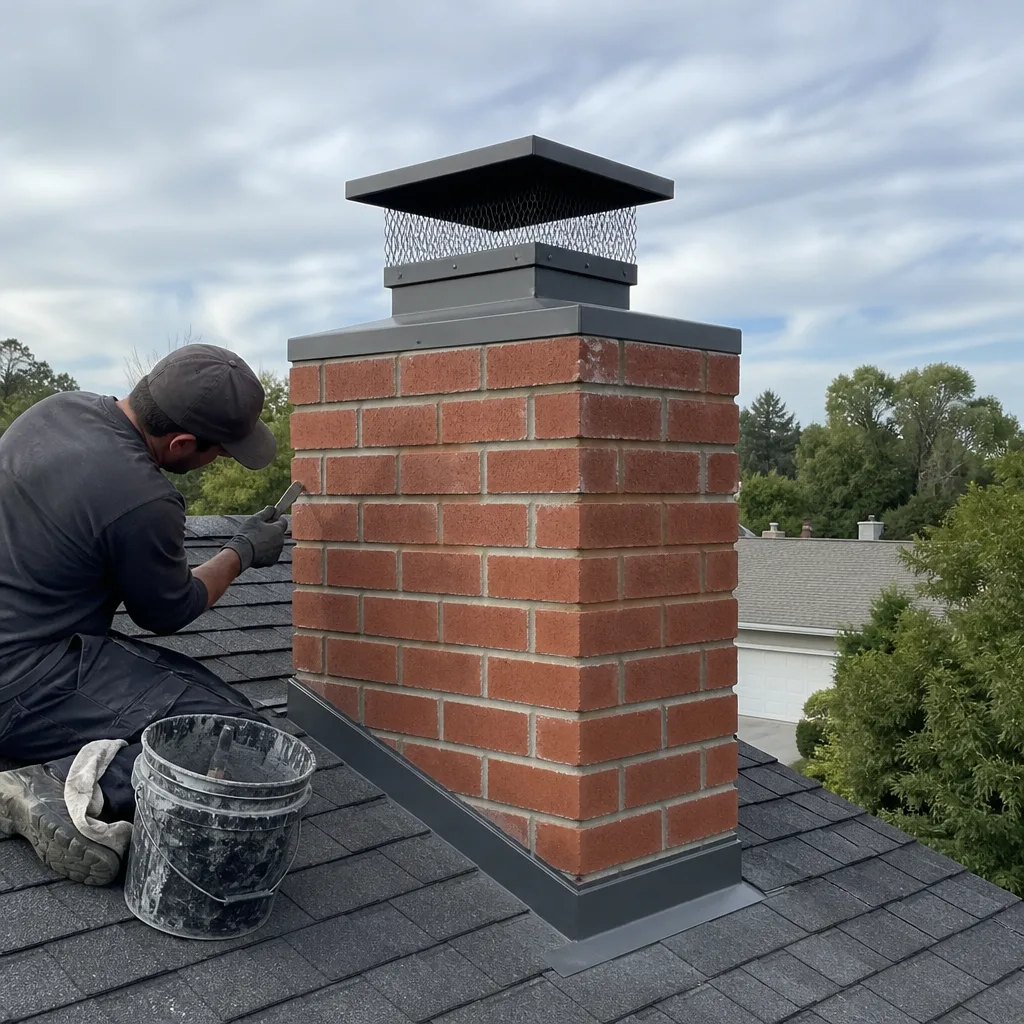
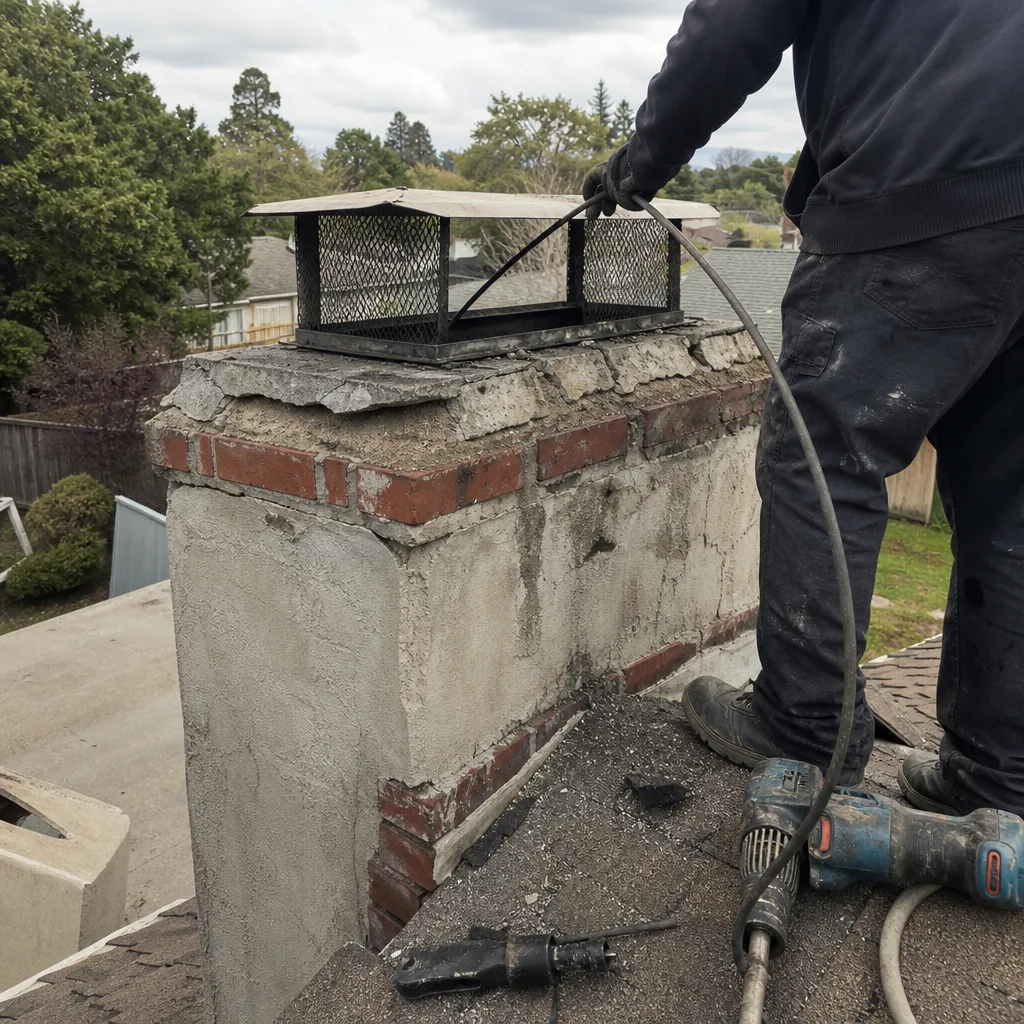
See the difference
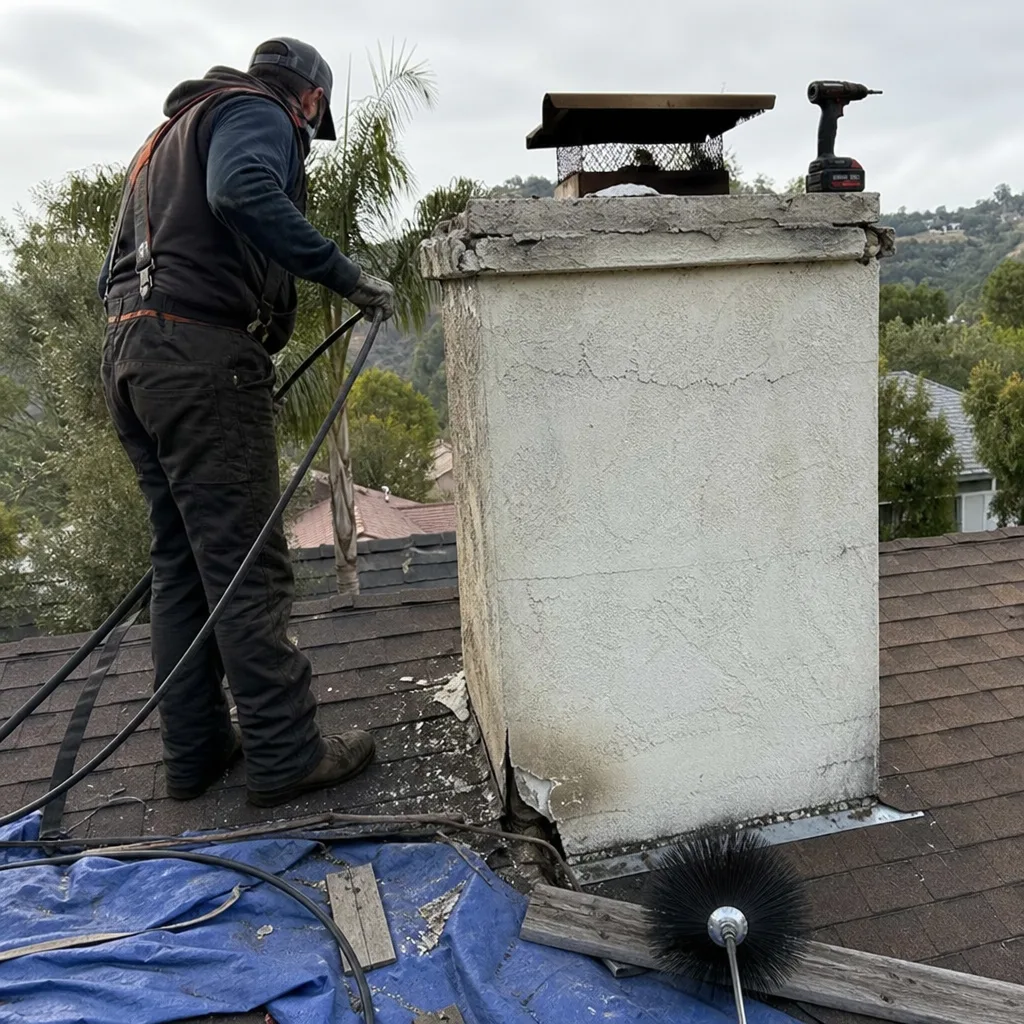 Before
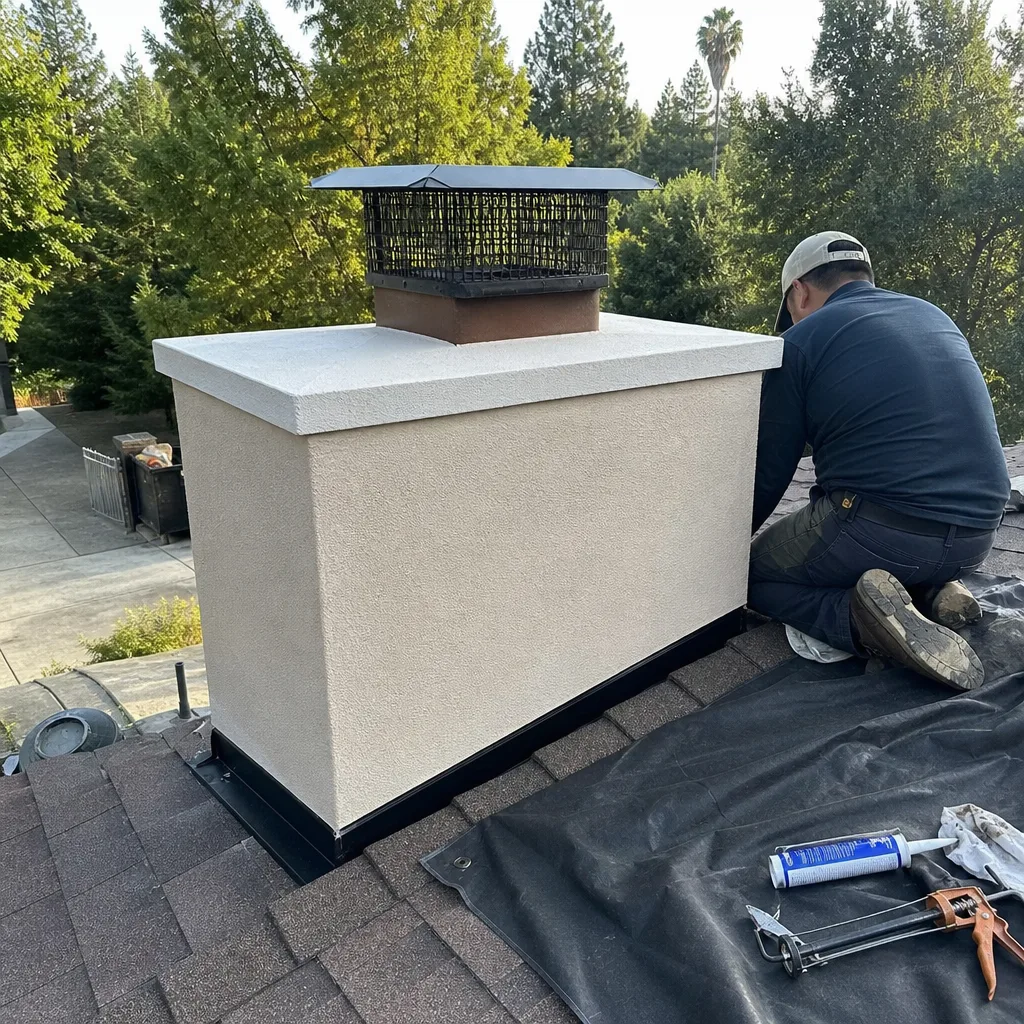 After
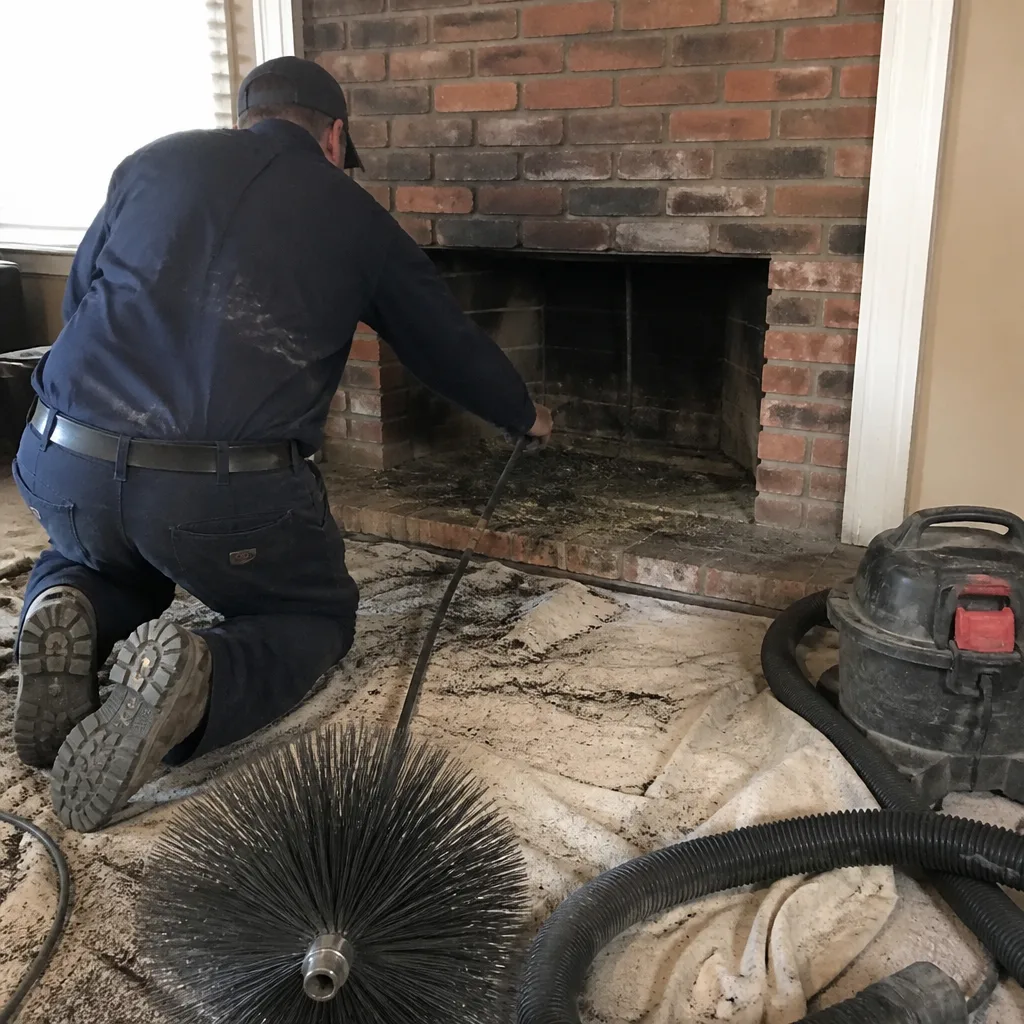 Before
 After
 Before
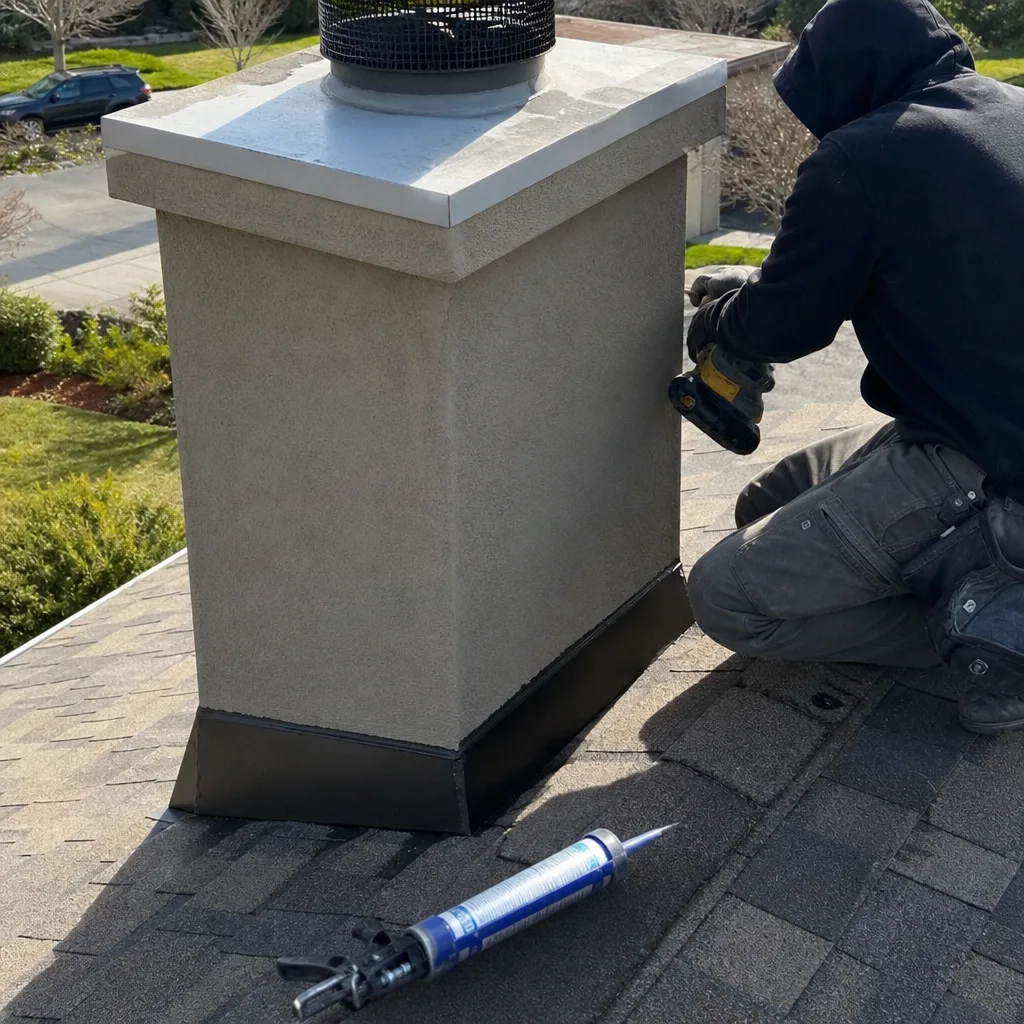 After
When to Call a Professional
Call a professional if you have any reason to suspect a chimney fire has occurred, even if it was quiet. Call if your chimney has not been swept this season or last. Call if you see creosote buildup, cracked mortar, a damaged cap, or water stains on the ceiling near your chimney. Call if your wood stove is drafting poorly, smoke is backing into the room, or you smell a campfire-like odor between burns. Call if your dryer vent is not performing, and lint is accumulating anywhere it shouldn’t be. These are all conditions with specific, addressable causes. Chimney Sweep Vermont Vista offers free estimates in Vermont Vista – call (888) 453-5781. We’ll inspect, show you what we find, and tell you plainly what needs fixing and what can wait.
Frequently Asked Questions
You’ll see physical evidence in the flue: puffed, expanded creosote deposits, cracked flue tiles visible from above, a warped or discolored chimney cap, or unusual creosote debris in the firebox or on the roof. A professional camera inspection confirms whether the flue has been exposed to fire temperatures and what damage resulted.
Chimney sweeping in Vermont Vista typically runs between $180 and $350 for a standard open fireplace, with wood stoves and insert systems often on the higher end of that range due to additional disassembly. The exact figure depends on the flue’s condition, the amount of creosote, and whether a camera inspection is included. Call (888) 453-5781 for a free estimate based on your chimney’s specifics.
No. Any chimney fire, regardless of size, exposes the flue liner to temperatures that can cause structural damage invisible from the firebox. The chimney must be inspected by camera before the next burn. Using the fireplace before that inspection risks igniting the surrounding framing on the next fire.
Most Vermont Vista homeowners burning seasoned wood in an open fireplace need one sweep per year. Those using a wood stove as primary heat or burning less-than-ideal fuel may need two sweeps per year. The inspection should be annual either way. Schedule the sweep before the first fire of the season, ideally before red flag winds become frequent.
Typically yes, under dwelling coverage, but the specifics vary by policy. Some policies cover the fire damage but not the liner repair that results from the event. Some require proof of annual maintenance. Call your insurance agent before fire season to review your chimney-related coverage and ask specifically about code-upgrade coverage, which pays the difference when repairs must meet current building code. For details on chimney cleaning permits, codes & inspections in CA, see our compliance guide.
A sweep removes creosote and soot from the flue. An inspection evaluates the chimney’s structural condition: liner integrity, cap function, crown condition, and proper clearances. At Chimney Sweep Vermont Vista, the sweep and the inspection happen together, and the inspection includes camera footage so you see the condition of your flue directly. Problems found during the inspection can be repaired without a second vendor.
The Bottom Line
Chimney fire preparedness in Vermont Vista comes down to four things: keep the flue clean, know the immediate response sequence, verify the chimney’s condition every season before you burn, and get a post-fire inspection if you suspect any event has occurred. Red flag wind conditions turn a contained chimney fire into a community fire risk, which makes pre-season preparation a responsibility, not an option. The emergency you prepare for is the one you’ll never have. And if you do have one, the file, the numbers, and the inspection report will carry you through the aftermath with clear steps instead of fresh chaos. A clean chimney is a safe chimney, and in Vermont Vista, that’s a statement about your neighbors’ roofs as much as your own.
Written by the team at Chimney Sweep Vermont Vista, serving Vermont Vista since 2017.