
Last updated November 2, 2026
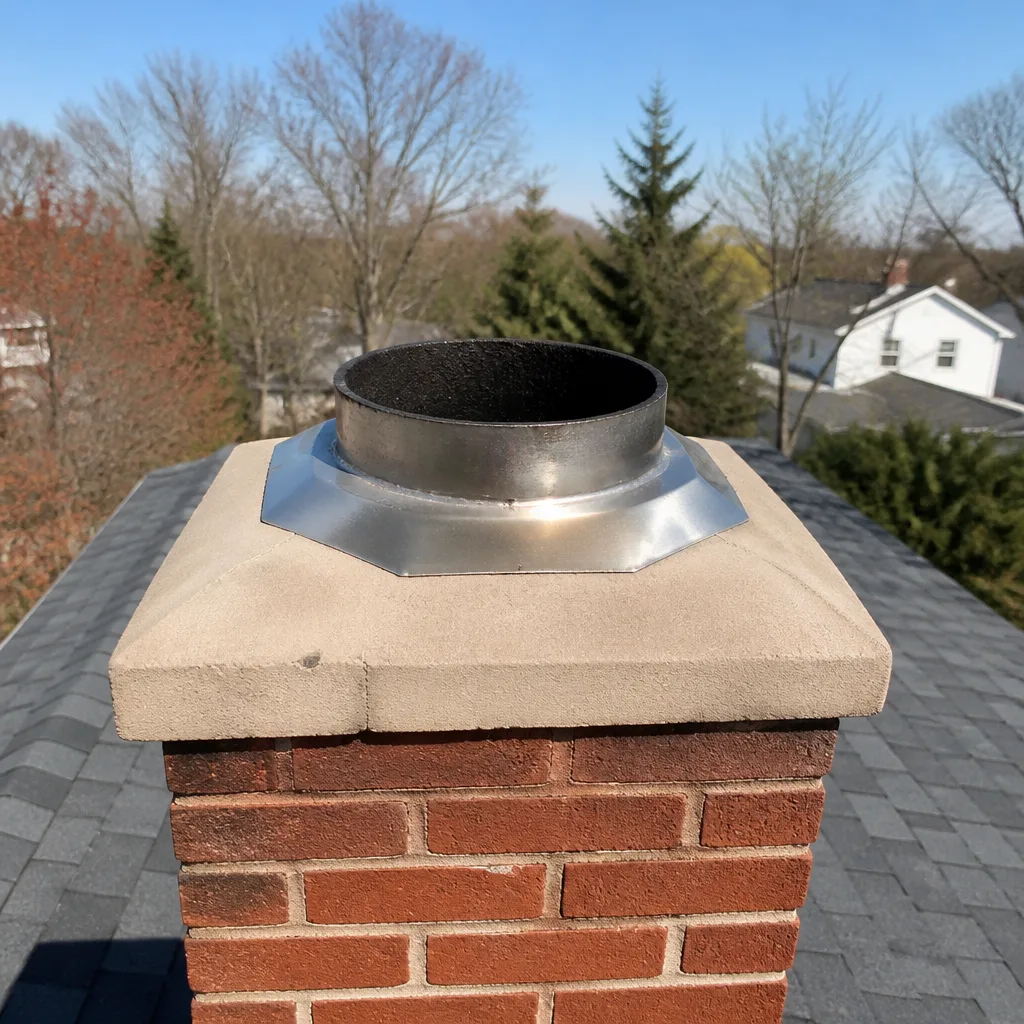 Sweep & inspection
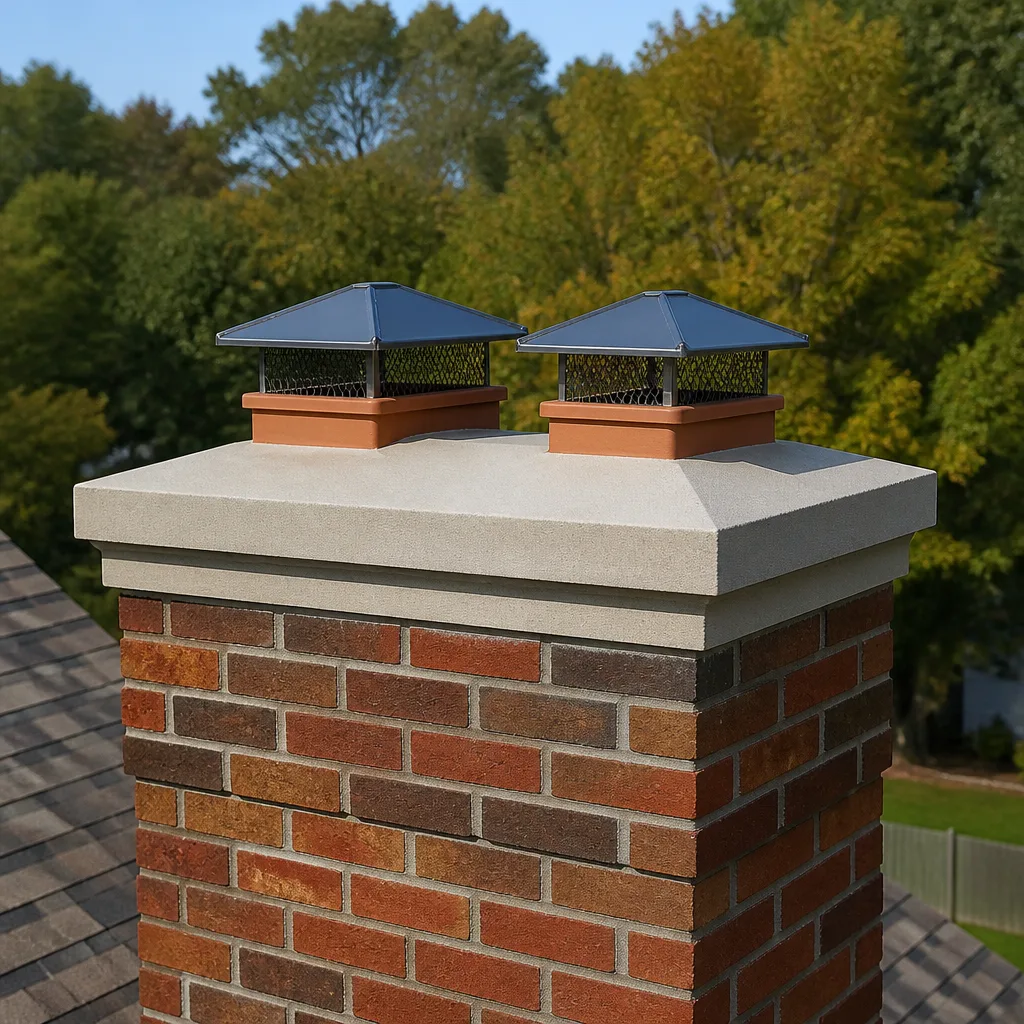 Caps & crowns
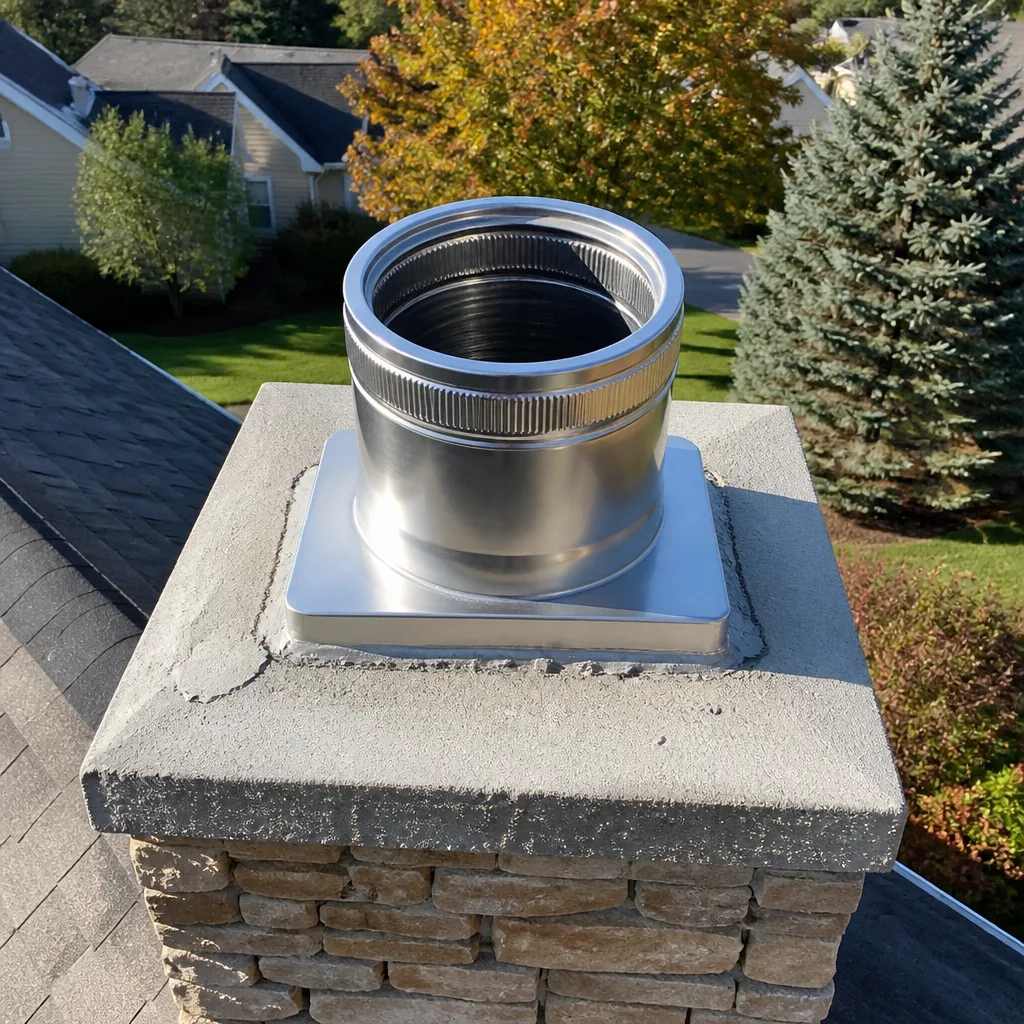 Flue relining
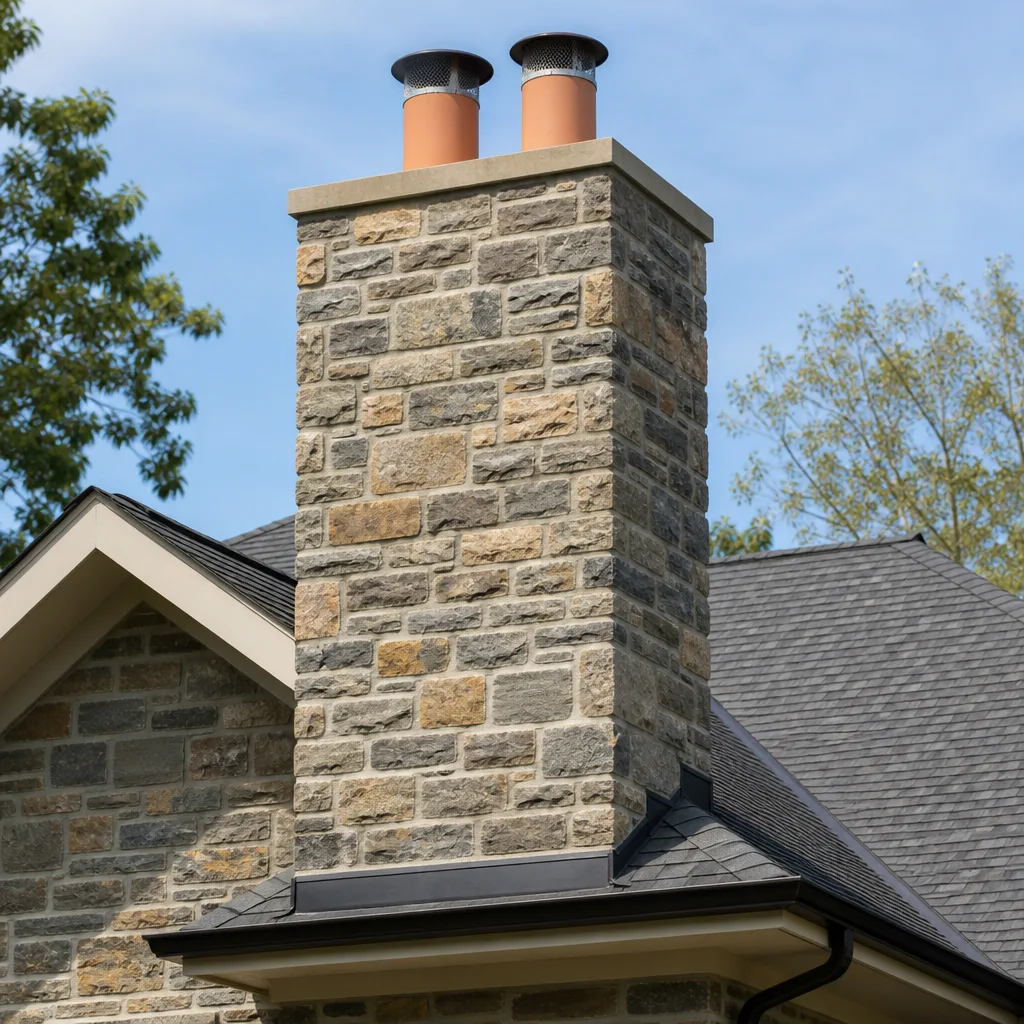 Masonry repair
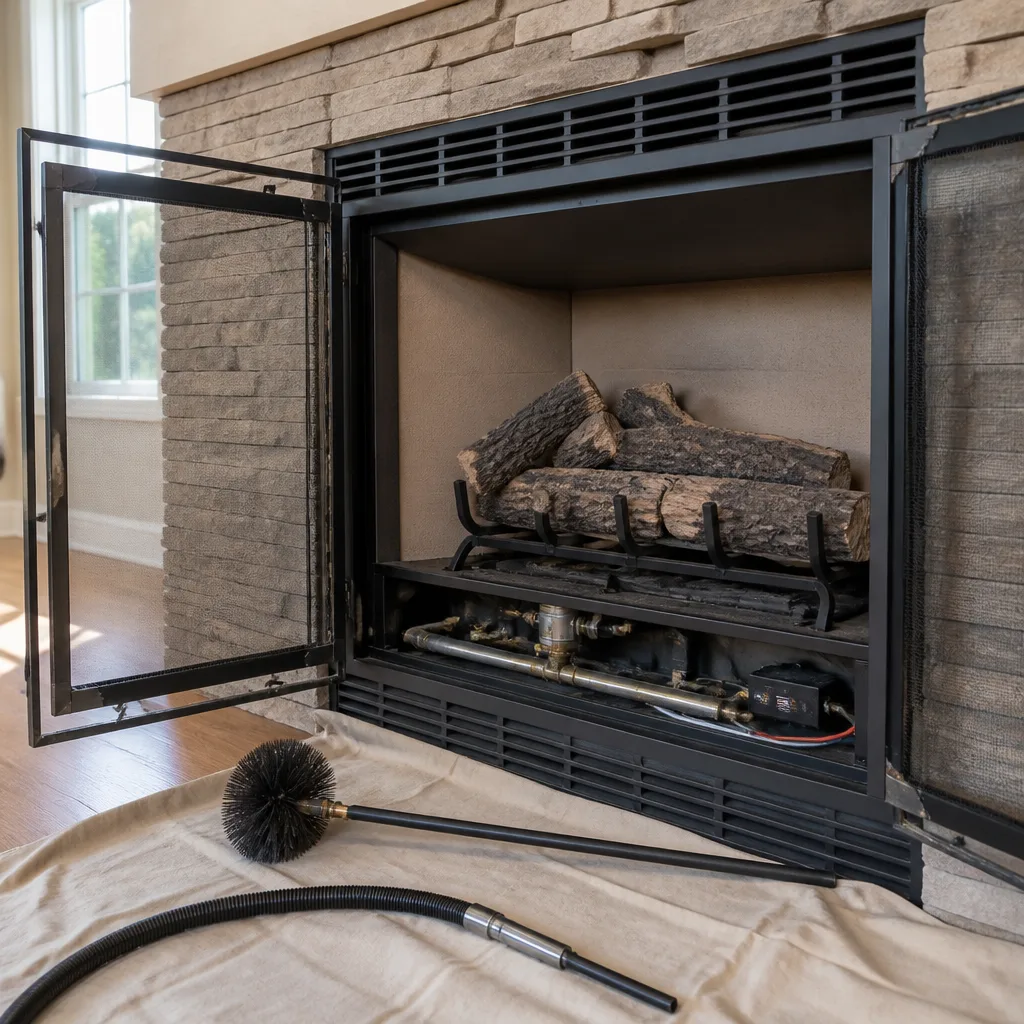 Gas fireplace service
Level 1 sweep and inspection to the NFPA 211 annual standard - flue, crown, cap, and flashing checked and photographed
Chimney sweep logs do not sweep chimneys. They loosen some creosote - which then falls where a brush and vacuum still have to collect it.
Chimney Cleaning Permits, Codes & Inspections in CA: What You Need to Know
In California, replacing a damaged flue liner without a permit doesn’t just risk a fine. It can void your homeowner’s insurance claim if a fire originates at the chimney. That is the part of the chimney code conversation almost nobody hears until it is too late. Most homeowners assume a chimney cleaning is just a cleaning, never realizing that the moment the sweep finds cracked flue tiles or a rusted-out firebox, the job has crossed from maintenance into construction. For more on what to watch for, see our Chimney Cleaning Warning Signs: A Vermont Vista Homeowner’s Reference Guide. This guide maps the actual California code landscape so you are not blindsided after a cleaning in Vermont Vista reveals structural work is needed. You will learn which services are permit-exempt, which trigger a building permit under the California Building Code and local amendments, how NFPA 211 intersects with Title 24, what happens during a Level 2 inspection in a real estate deal, and how to verify the paper trail before you ever list your home.
Styles & brands we work with
- Sweep & inspection
- Caps & crowns
- Flue relining
- Masonry repair
- Gas fireplace service
Quick Answer
A routine chimney sweeping or Level 1 inspection does not require a permit anywhere in California. However, chimney liner replacement, firebox rebuilding, masonry repair that involves structural changes, and any modification to the venting system does require a building permit issued by your local jurisdiction. Work done without that permit can void insurance coverage and complicate a future home sale.
Table of Contents
- Which Chimney Services Are Permit-Exempt in California
- Which Chimney Services Trigger a Building Permit
- How NFPA 211 Intersects with California’s Title 24
- Level 2 Inspections and California Real Estate Transactions
- The Permit Pull Process for Liner Replacement or Firebox Repair
- How to Verify Permitted Work and Why the Paper Trail Matters
- Vermont Vista-Specific Code Considerations
- Common Mistakes to Avoid
- When to Call a Professional
- Frequently Asked Questions
- The Bottom Line
Which Chimney Services Are Permit-Exempt in California
Routine chimney sweeping is permit-exempt in every jurisdiction in California. That includes the physical removal of creosote, soot, and debris from the flue, smoke chamber, and firebox. A Level 1 inspection, which is the visual examination performed during a standard cleaning when the appliance and venting system have not changed since the last service, also requires no permit. Neither does dryer vent cleaning, which falls under appliance maintenance rather than building construction. Minor component replacement falls into the same category: swapping out a damper plate, installing a standard chimney cap, replacing a deteriorated rain pan, or re-securing a loose flashing does not trigger a permit anywhere in the state.
The reasoning is straightforward. The California Building Code regulates construction that alters the structure, fire-resistance rating, or venting configuration of a building. A sweep and a Level 1 inspection do none of those things. They restore the flue to its intended condition without changing it. We perform these services across the Vermont Vista area regularly, and we have never been asked to pull a permit for a brush-and-vacuum cleaning. It simply is not a code-triggering event.
But here is the nuance most guides miss: the moment a sweep reveals damage that requires repair, the permit conversation changes. Our Chimney Sweep Troubleshooting: Common Problems and How to Fix Them explains how to handle these situations step by step. You are not getting a permit for the cleaning. You are getting a permit because the cleaning uncovered conditions that require construction. In our experience, that distinction is where Vermont Vista homeowners get confused. They call asking whether they need a permit for a chimney sweeping, and the honest answer is no, but that answer comes with a second sentence: if we find a cracked liner, we will tell you, and that repair is a different legal animal.
What about gas appliance service? Cleaning a gas flue, inspecting the connector, and verifying draft is maintenance. However, if the gas appliance is being replaced or its venting configuration changes, California Mechanical Code requirements apply, and a permit is generally required. The line between maintenance and modification is the line between exempt and regulated.
- Permit-exempt: chimney sweeping, Level 1 inspection, dryer vent cleaning, damper plate replacement, standard cap installation, flashing repair, rain pan replacement.
- Not permit-exempt: flue liner replacement, firebox rebuilding, smoke chamber parging that changes dimensions, masonry reconstruction, venting reconfiguration, fuel-type changes.
Which Chimney Services Trigger a Building Permit
Any repair that alters the structural integrity, fire-resistance rating, or venting configuration of a chimney requires a building permit under the California Building Code. The most common trigger is flue liner replacement. Whether you are installing a stainless steel liner from DuraFlex or resurfacing with HeatShield, the work involves changing the venting system’s approved materials and dimensions. That is regulated construction, not maintenance. A permit is required.
Firebox rebuilding is the second most common trigger. If a sweep discovers that the firebrick floor or sidewalls of the firebox have crumbled to the point where the fire can reach combustible framing, the repair involves demolishing and reconstructing part of the firebox. That work changes the fire-resistance assembly, which is precisely what building codes exist to regulate. A permit is required before the first brick is removed.
Masonry repairs occupy a gray area that trips up many contractors. Repointing a few loose bricks in the chimney crown is typically classified as cosmetic maintenance and does not require a permit. But partial rebuilding of the chimney stack, rebuilding the smoke chamber, or correcting structural cracks that affect load-bearing capacity does require a permit. The test California building departments use is simple: does the work alter the structure or the fire-resistance assembly? If yes, pull a permit. If no, proceed as maintenance.
We see this scenario play out in Vermont Vista neighborhoods regularly. A homeowner schedules a cleaning before winter, we find a deteriorated flue liner, and suddenly the scope of work changed from a $250 sweep to a $4,500 liner installation. That is not an upsell. That is a code-triggering condition. The honest companies will tell you the permit is required. The ones who say they can do it without a permit are telling you something important about how they handle liability.
- Flue liner replacement: stainless steel, aluminum, or ceramic resurfacing. Permit required.
- Firebox rebuilding: any demolition and reconstruction of firebrick. Permit required.
- Smoke chamber reconstruction: changing the dimensions or parging beyond surface coating. Permit required.
- Masonry structural repair: rebuilding the stack, correcting load-bearing cracks, or replacing the crown with structural changes. Permit required.
- Venting reconfiguration: changing fuel type, altering flue diameter, or redirecting the venting path. Permit required.
We use Copperfield and Gelco materials for many of our repair components not because the brands are decorative, but because building departments recognize their UL listings and test certifications. When an inspector sees a listed product from a known manufacturer, the approval path is cleaner than with an unbranded part.
How NFPA 211 Intersects with California’s Title 24
NFPA 211 is the national standard for chimneys, fireplaces, vents, and solid fuel burning appliances. It is the technical backbone of chimney safety in the United States, covering everything from minimum flue heights to clearance-to-combustibles requirements. California’s Title 24 incorporates many NFPA 211 provisions into the California Mechanical Code and California Building Code, making what was once a national guideline into enforceable state law.
The practical effect for a homeowner in Vermont Vista is this: when an inspector performs a final sign-off on a permitted liner installation, they are checking compliance with the version of NFPA 211 adopted by the California Building Standards Commission. That means the flue must be sized correctly for the appliance, the termination height must meet the 3-2-10 rule (three feet above the roof penetration, two feet above anything within ten horizontal feet), and clearances to combustibles must match the listed specifications.
Title 24 also brings energy efficiency requirements into the conversation. Under California’s Title 24 Part 6, masonry fireplaces in newly constructed buildings must meet gasketed door and outdoor combustion air requirements. Existing chimneys are generally grandfathered unless the work being performed triggers compliance upgrades. A liner replacement in an existing home typically does not require bringing the entire fireplace up to new-construction energy standards. The liner itself must meet the new standards for its specific function, but the surrounding masonry is not required to be retrofitted.
Here is where the intersection gets practical. If you have a wood-burning stove in a Vermont Vista home and the liner is being replaced, the installer must verify that the new liner meets the flue diameter requirements in NFPA 211 for that specific stove model. If the original installation used an 8-inch clay tile liner and the stove manufacturer specifies a 6-inch stainless liner, the replacement work must correct that mismatch. This is precisely the kind of correction a sweep-only company cannot legally perform because it requires a permit and a licensed contractor.
The dry-er-vent side of the house runs parallel. NFPA 211 does not govern clothes dryer exhaust, but the California Mechanical Code does, with similar logic: rigid metal duct, maximum developed length limits, proper termination to the exterior. The principle is the same across both systems: airflow must move from the appliance to the outside without obstruction, and any modification to that pathway is regulated.
Level 2 Inspections and California Real Estate Transactions
A Level 2 inspection is more thorough than the Level 1 check performed during a routine sweep. It includes everything in a Level 1 inspection plus access to accessible portions of the attic, crawlspace, and roof, often using a video scan of the flue interior. The National Fire Protection Association defines three inspection levels, and Level 2 is triggered by specific events: property transfer, a change in appliance type or fuel, a building fire, an earthquake, or a weather event that may have damaged the chimney.
California real estate transactions fall into the property-transfer trigger. When a home in Vermont Vista is sold, the buyer’s inspection contingency often includes a chimney-specific evaluation, and a qualified inspector will recommend a Level 2 inspection. The standard is clear: any time a property changes hands, the flue should receive a Level 2 inspection. Sellers who skip this step are not violating any statute in most jurisdictions, but they are accepting a known liability.
The legal intersection works this way: California Civil Code requires sellers to disclose known material facts affecting the property. If a seller has never had the chimney inspected and the buyer later discovers a cracked liner that requires a $6,000 repair, the buyer may have recourse under the disclosure statutes depending on what the seller knew or should have known. A Level 2 inspection before listing removes that ambiguity. It establishes the condition of the flue on a specific date, with documentation.
We regularly perform Level 2 inspections for Vermont Vista homeowners preparing to sell. The most common finding is a deteriorated clay tile liner in a 1960s or 1970s house, followed by missing rain caps and improperly terminated gas appliance connectors. Some of these conditions are cosmetic. Some require repair before the buyer’s lender will close. The inspection report tells you which is which, and whether a permit will be required for the correction.
A note on who can perform a Level 2 inspection: the standard does not require a specific state license in California for the inspection itself. However, if the inspection leads to repair recommendations, the person performing those repairs must hold the appropriate contractor’s license. A sweep who finds a problem and refers you to someone else has added a step. A company that can perform both the inspection and the repair, like our team at Chimney Sweep Vermont Vista, keeps the paper trail in one place.
The Permit Pull Process for Liner Replacement or Firebox Repair
When a liner replacement or firebox repair is required in Vermont Vista, the permit process follows a predictable path. Understanding it before the work begins prevents the most common frustration: a completed repair that cannot be signed off because the paperwork was not filed correctly from the start.
The step-by-step process at the local jurisdiction level:
- Determine the permitting authority. Vermont Vista is within the City of Los Angeles, so the Los Angeles Department of Building and Safety (LADBS) issues the permit. Unincorporated areas may fall under LA County jurisdiction. Your contractor should verify this before submitting anything.
- Prepare the permit application. The contractor submits a description of the work, including the chimney’s location, the materials to be used, and the scope of the repair. For a liner replacement, the LADBS typically requires the liner’s UL listing documentation. For a firebox rebuild, the application must show that firebrick and refractory mortar meeting ASTM standards will be used.
- Pay the permit fee. Fees for chimney repair permits in the LADBS system are calculated based on the valuation of the work. A liner replacement valued at $4,000 to $6,000 typically carries a permit fee in the $200 to $400 range, though exact figures vary by project and are set by the current fee schedule.
- Schedule inspections. Most chimney repairs require at least one inspection, typically after the old liner is removed and before the new one is installed, and a final inspection after the work is complete. The inspector checks the installation against the approved plans and the applicable code sections.
- Obtain the signed permit card. After the final inspection passes, the inspector signs the permit. That signed card is your proof that the work was performed legally and inspected by the jurisdiction.
Who is responsible for pulling the permit? Under California law, the contractor performing the work should pull the permit in their name or in the property owner’s name with the contractor listed as the authorized agent. If a chimney company tells you to pull the permit yourself as an owner-builder, that is a red flag. It shifts the liability for workmanship to you and often indicates the company does not hold the proper license to perform the work they are proposing.
In our work across Vermont Vista, we handle the entire permit process for our Chimney Repair in Vermont Vista clients. The permit is pulled before materials are ordered, the inspections are scheduled at the correct phases, and the signed permit card is delivered with the final invoice. That is what clear accountability looks like.
How to Verify Permitted Work and Why the Paper Trail Matters
The paper trail from a permitted chimney repair matters more at resale than it does on the day the work is completed. California’s real estate disclosure forms ask about known repairs and permits. A buyer’s lender may ask the same questions. If you cannot produce a signed permit for a liner replacement completed five years ago, you may be forced to treat that repair as unpermitted work, which affects disclosure obligations and buyer confidence.
Verifying that a contractor’s completed work was properly permitted is a three-step process:
- Request the signed permit card. The contractor should provide a copy of the permit with the inspector’s final approval signature. Keep this in your home records, not just your email.
- Check the jurisdiction’s online permit portal. LADBS maintains an online building records search. Enter your address and you can see all permits pulled for your property, their status, and their final inspection dates. This search is free and takes five minutes.
- Match the permit to the work. The permit description should accurately describe the liner replacement or firebox repair. If the permit says “general repair” and the work was a full liner replacement, the permit may not cover the actual scope. A mismatch is a problem waiting for a future buyer’s inspector to find.
Why does this matter for resale? A home in Vermont Vista with a properly permitted and inspected chimney repair has a documented safety history. A home with an unpermitted liner, even if the work was done competently, has a disclosure problem. The seller must disclose the unpermitted work, the buyer may demand a price concession or a retroactive permit, and the deal can fall apart entirely. That retroactive permit process is not simple. LADBS may require destructive inspection to verify the work meets code when no inspection was done at the time of construction. A $300 permit avoided at installation can become a $2,000 retroactive approval process during escrow.
The brands behind the materials also matter in this conversation. An inspector reviewing a liner installation will want to see the UL listing. DuraFlex stainless steel liners carry their testing documentation directly from the manufacturer. HeatShield’s ceramic resurfacing system carries its own engineering approvals. When the materials are documented and the permit is signed, the paper trail is complete. We have seen Vermont Vista homeowners produce a shoebox of receipts from a previous repair with no permit, and the resale process became significantly more complicated. The permits are the important part. Keep them.
Vermont Vista-Specific Code Considerations
Vermont Vista sits in South Los Angeles, where the housing stock trends toward mid-century construction. Most chimneys in the area are masonry with original clay tile liners, and many of those liners are now 50 to 70 years old. The combination of age and Southern California’s seismic history means cracked flue tiles and deteriorated mortar joints are common findings during routine sweeps in the neighborhood.
The local climate also plays a role in chimney deterioration. Vermont Vista’s relatively arid weather means creosote buildup in wood-burning fireplaces tends to be dry and flaky rather than the sticky, tar-like accumulation seen in wetter climates. Dry creosote is easier to remove, but it also ignites more readily, which makes regular cleaning a genuine safety priority. The same dry conditions contribute to mortar joint erosion over decades. We have inspected chimneys in Vermont Vista where the crown mortar had crumbled to the point that water was entering the flue from the top, accelerating the liner’s decay from the inside.
From a code perspective, the Los Angeles jurisdiction applies the California Building Code with local amendments through the LADBS. Vermont Vista homeowners should expect that any chimney repair requiring a permit will be inspected by an LADBS inspector. The inspection standards are consistent across the city, but the process can vary in duration depending on the inspector’s workload. We advise budgeting one to two weeks for the permit and inspection process on a typical liner replacement, from application to final sign-off.
One neighborhood-specific observation: many Vermont Vista homes have shared or closely spaced chimney stacks due to the density of the lot layout. A repair on one unit’s chimney can require coordination if the stack is shared between two attached units. In those cases, the permit application must correctly identify the property line and the portion of the stack being repaired. A knowledgeable contractor will catch this before the permit is submitted, not after the inspector flags it.
If you are looking for a Chimney Sweep in Vermont Vista who understands these local conditions, the conversation should start with whether the company can identify the difference between a cosmetic crack and a structural failure. That is the test of whether they understand both the physics and the paperwork.
Common Mistakes to Avoid
- Assuming a sweep includes a permit check. A standard cleaning does not involve the building department, and that is correct. But if repairs are recommended, the homeowner is responsible for ensuring the repair contractor handles the permit. A sweep company that cannot perform repairs may not tell you the permit is required.
- Accepting a verbal assurance that no permit is needed. Some contractors will say a liner replacement does not require a permit because it is inside an existing chimney. That is wrong under the California Building Code, and the liability lands on the homeowner if it is discovered later.
- Pulling an owner-builder permit for a contractor. If a contractor asks you to pull the permit yourself, they are transferring the construction liability to you. In California, an owner-builder permit makes you responsible for the workmanship, and you will have a difficult time pursuing the contractor if the installation fails.
- Losing the signed permit card. The signed card is your proof the work was inspected and approved. Without it, a future buyer or their lender may treat the work as unpermitted. Store it with your property records, not in a junk drawer.
- Choosing materials without listed approvals. A liner or firebrick without a UL listing or ASTM certification may not pass inspection. The brands we use, including DuraFlex and Copperfield, carry their documentation from the manufacturer, which streamlines the approval process.
- Skipping the Level 2 inspection before selling. The buyer’s inspector will likely recommend one anyway. Doing it before listing gives you time to address findings on your own schedule rather than under escrow deadlines.
- Treating dryer vents as an afterthought. California code regulates dryer exhaust ducts, and a clogged vent is a fire hazard with its own paper trail concerns during resale. We cover this in more detail in our Dryer Vent Cleaning in Vermont Vista service, but the principle is the same: documented maintenance protects you.
When to Call a Professional
Call a professional chimney contractor when a routine cleaning reveals cracked flue tiles, when your home inspector flags a chimney condition during a purchase or sale, or when a gas appliance has been replaced and the venting was not evaluated. Call when you see water staining on interior walls near the chimney, when you smell smoke in rooms adjacent to the fireplace, or when a chimney fire has occurred, even a small one. Call when the dryer vent has not been cleaned in over a year and the dryer takes longer than 40 minutes to dry a load. None of these are do-it-yourself situations, and several involve genuine fire risk. A camera inspection with a written report gives you the information needed to make a decision without guesswork. Chimney Sweep Vermont Vista offers free estimates in Vermont Vista. Call (888) 453-5781 to schedule an inspection or discuss a finding from a previous sweep.
Frequently Asked Questions
A standard chimney sweep in Vermont Vista typically costs between $180 and $350 depending on the flue’s condition, the appliance type, and whether a Level 1 inspection is included. A Level 2 camera inspection costs more, usually in the $250 to $500 range, because it involves video scanning of the flue interior and access to the roof and attic where needed. Call (888) 453-5781 for an exact quote, and we will give you a flat price before any work begins.
You need a new liner if the camera inspection shows cracked or missing flue tiles, if the liner has separated at the joints, or if the existing liner is not sized correctly for the appliance. We do not recommend liner replacement without showing you the camera footage. If the sweep will not show you the video, get a second opinion. When we do recommend a liner, we use DuraFlex stainless steel or HeatShield ceramic resurfacing, and we explain why the specific condition requires the specific repair.
The National Fire Protection Association recommends a chimney inspection at least once a year, with cleaning performed whenever creosote buildup reaches 1/8 inch or more. For wood-burning fireplaces used regularly in Vermont Vista, that typically means an annual cleaning. Gas fireplaces need less frequent cleaning but still require annual inspection to verify the venting system is intact. If you are unsure when your chimney was last swept, schedule an inspection now.
Creosote accumulates inside the flue with each fire. If enough builds up and a hot fire ignites it, a chimney fire occurs, often sounding like a freight train and reaching temperatures that crack flue tiles and spread to surrounding framing. Even without a chimney fire, a blocked flue can push carbon monoxide back into the living space. The risk is real, and the cost of prevention is a fraction of the cost of repair after a fire. Call (888) 453-5781 to schedule a sweep before the burning season.
No. Routine chimney sweeping and Level 1 inspections are permit-exempt in every California jurisdiction, including Los Angeles. A permit is only required if the cleaning uncovers damage that requires repair, such as a liner replacement or firebox rebuild. The cleaning itself is always maintenance, not construction.
Yes, retroactive permits are possible, but the process can require destructive inspection to verify the work meets current code. The LADBS will want to see the installation, which may mean opening walls or removing portions of the chimney chase. The cost and timeline depend on the scope of the unpermitted work. In many cases, a properly performed liner replacement can be retroactively permitted without major demolition, but a firebox rebuild is harder to verify. If you have questions about unpermitted chimney work discovered during an inspection, call (888) 453-5781 and we will give you a straight assessment of what the correction will involve.
The Bottom Line
Chimney cleaning in California is permit-exempt, but the repairs a cleaning often uncovers are not. Liner replacement, firebox rebuilding, and structural masonry work all require a building permit, inspected and signed off by the local jurisdiction. Skipping that permit can void insurance coverage after a fire and create a disclosure problem at resale. The paper trail matters as much as the workmanship. Use documented, listed materials from manufacturers like DuraFlex, Copperfield, and HeatShield. Keep the signed permit card. Perform a Level 2 inspection before selling. And if you are in Vermont Vista and need a company that can sweep, inspect, and repair under one roof, we are here. Explore more guides & resources on chimney safety and maintenance.
For a flat-price estimate in Vermont Vista, call (888) 453-5781. We will inspect, explain, and document, whether the answer is a simple sweep or a permitted repair. Visit our Chimney Sweep Vermont Vista home page to learn more about what we cover.
Written by the team at Chimney Sweep Vermont Vista, serving Vermont Vista since 2017.
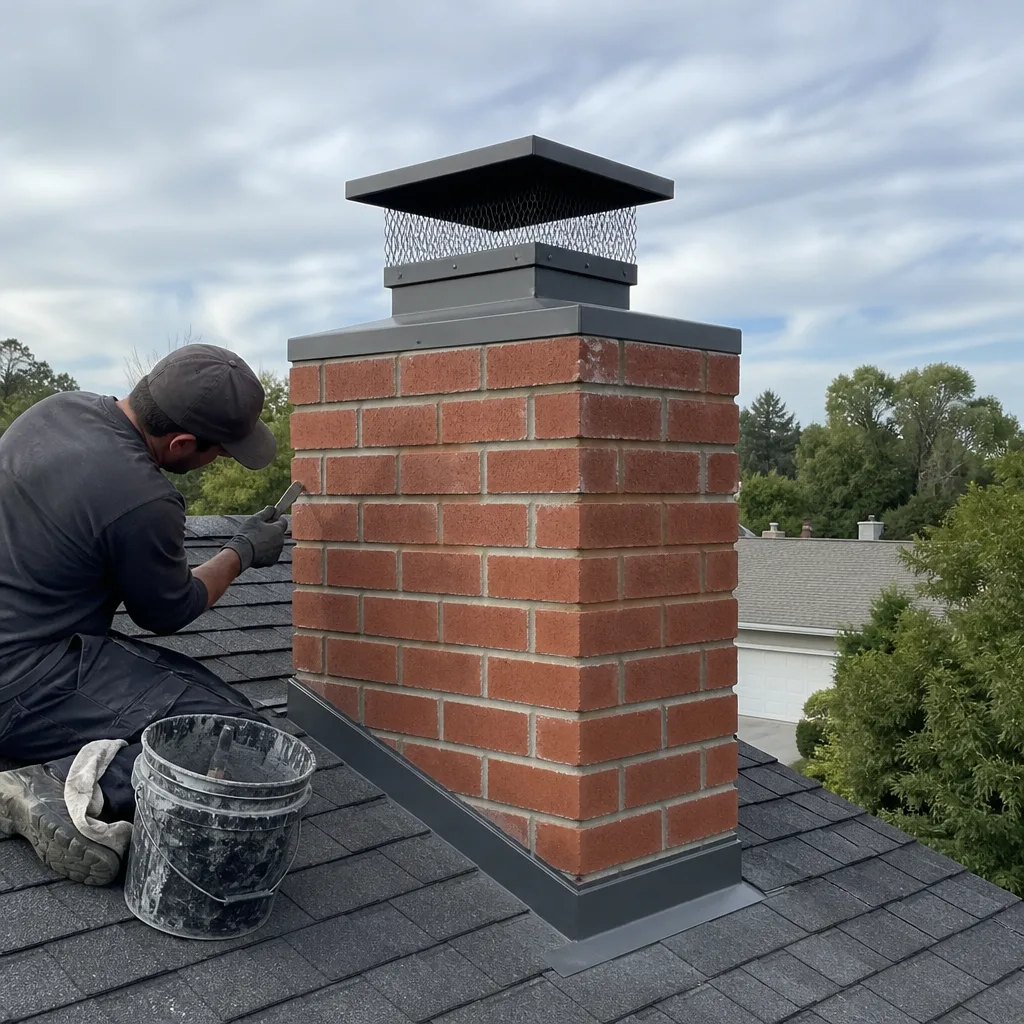
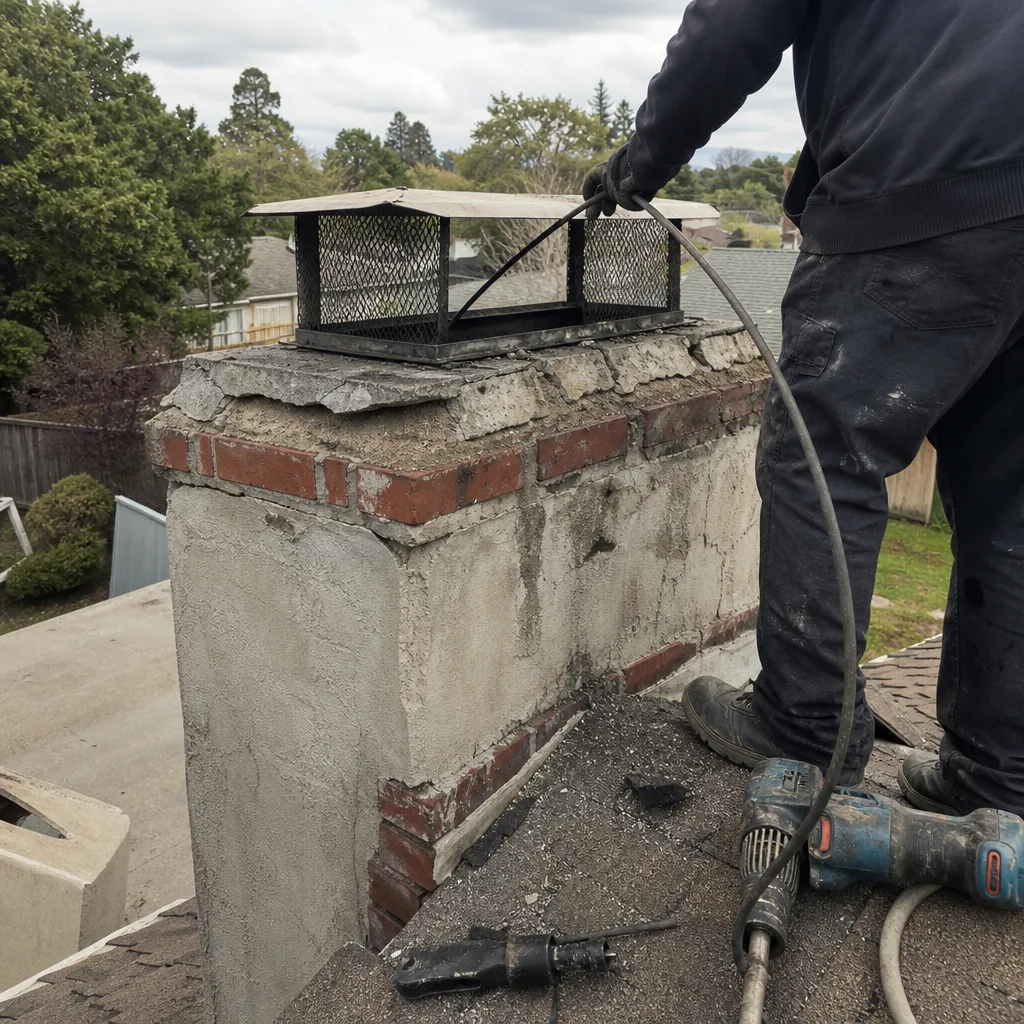
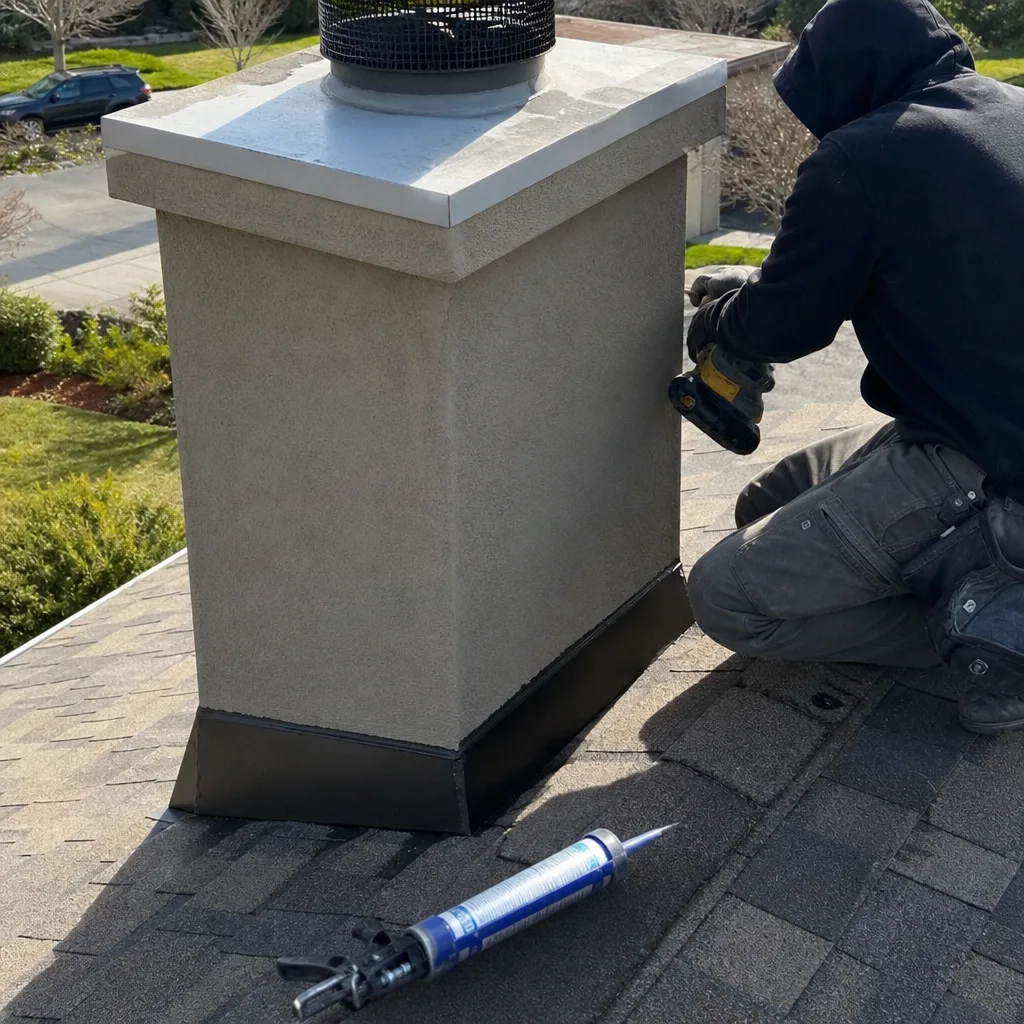
See the difference
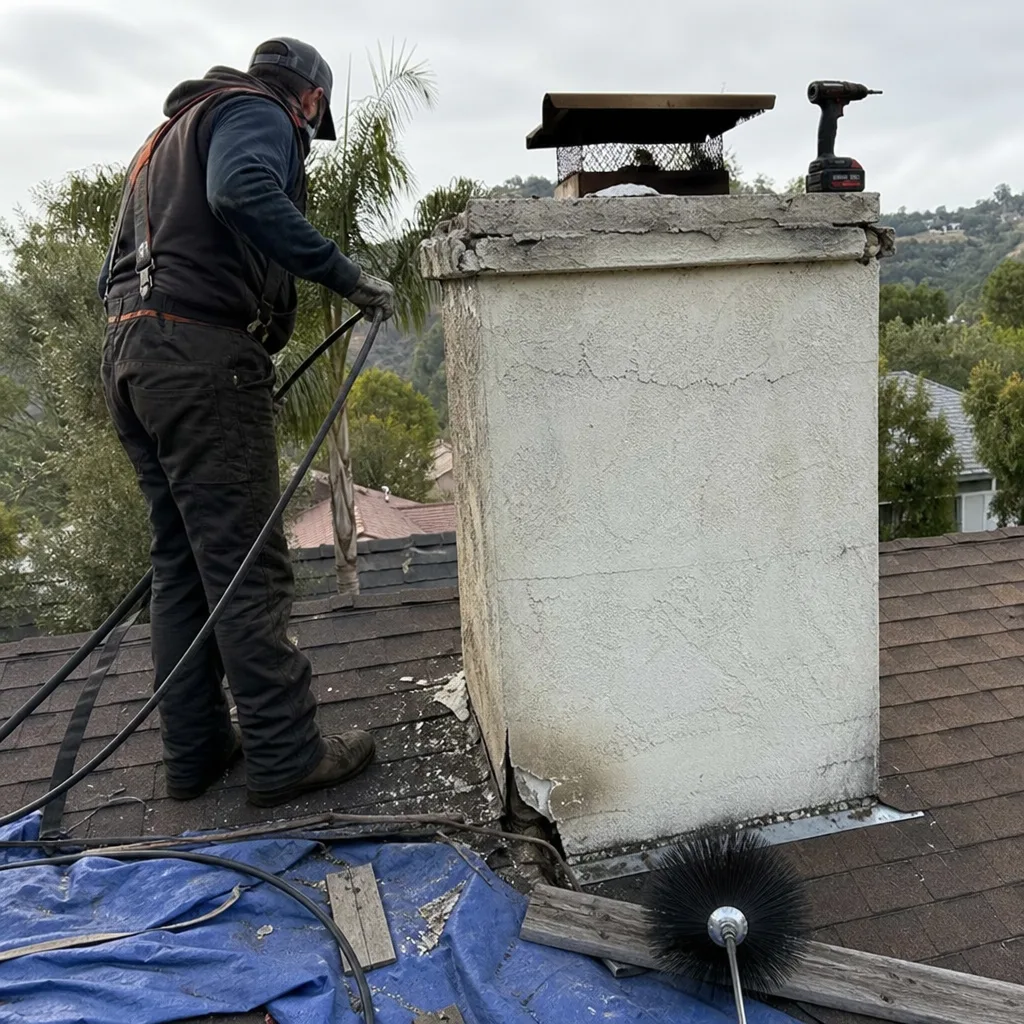 Before
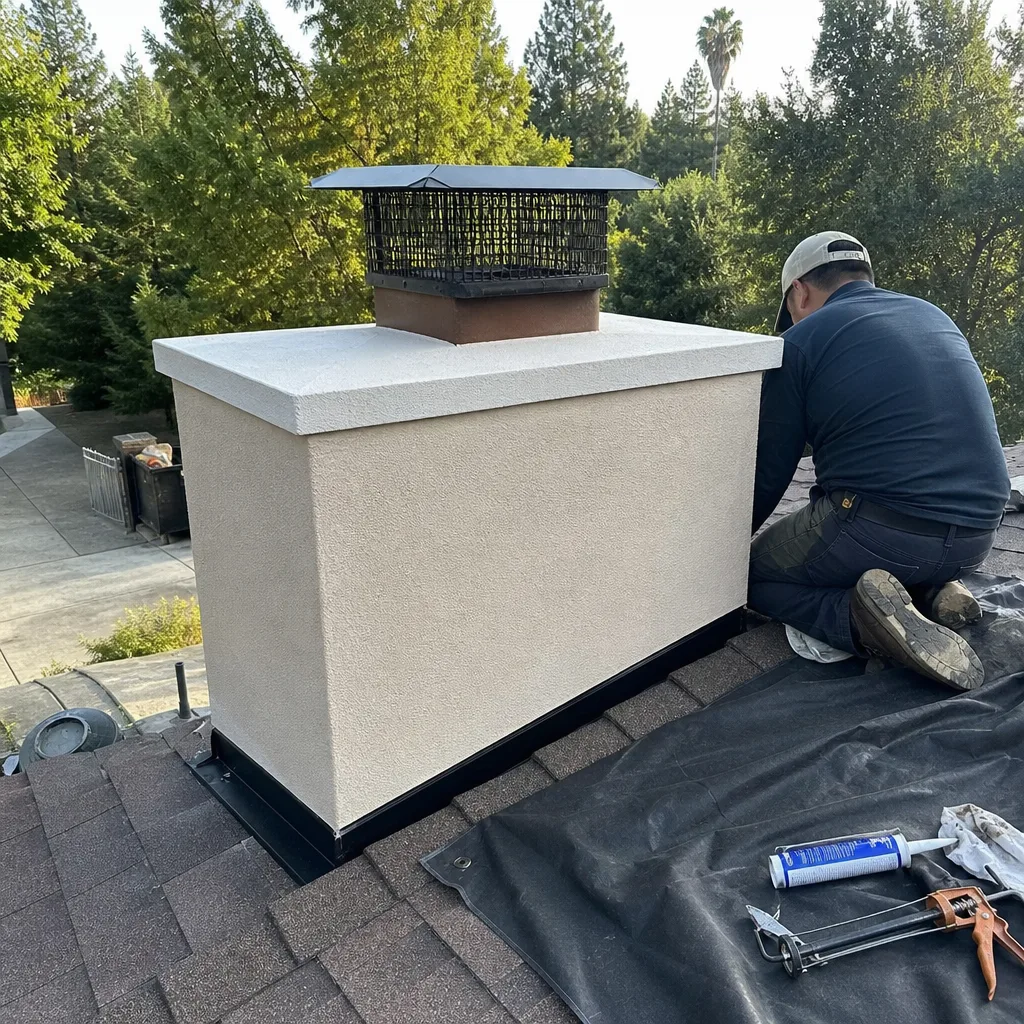 After
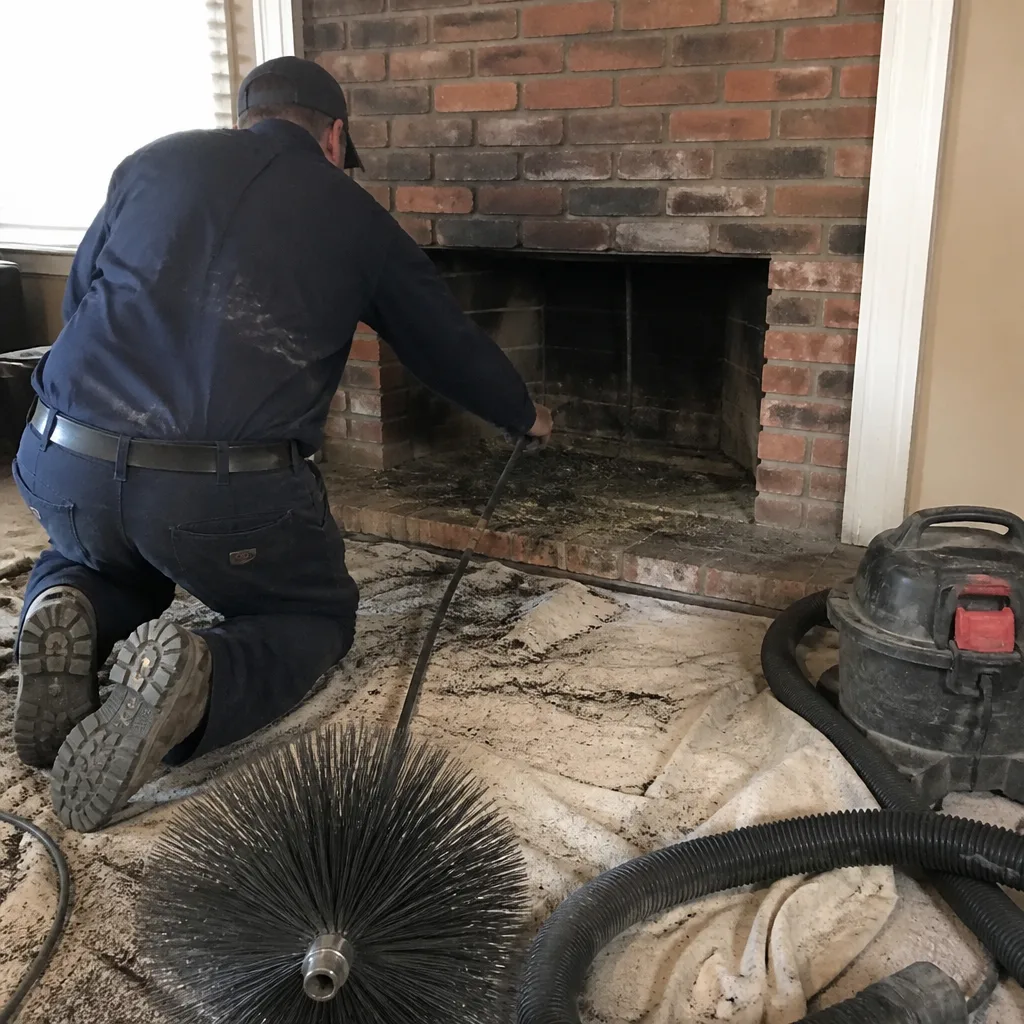 Before
 After
 Before
 After