
Last updated November 2, 2026
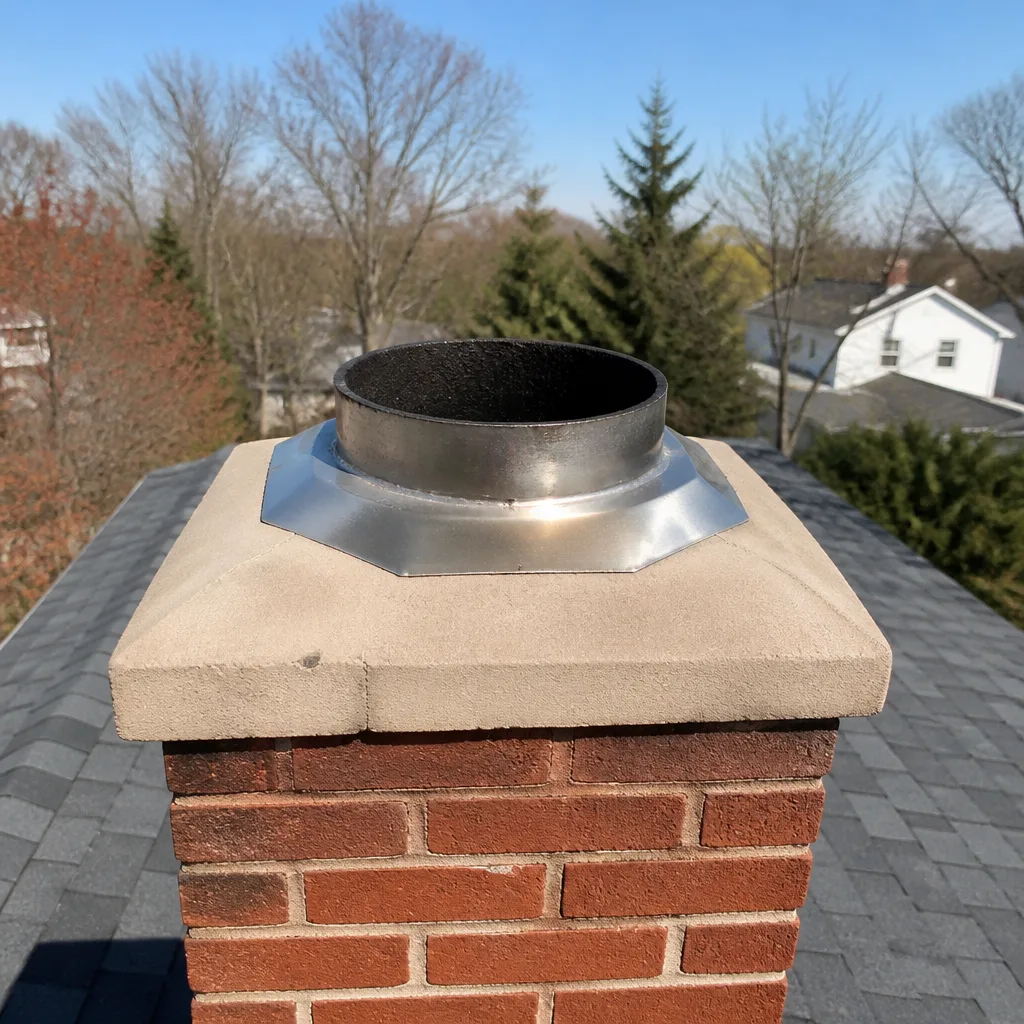 Sweep & inspection
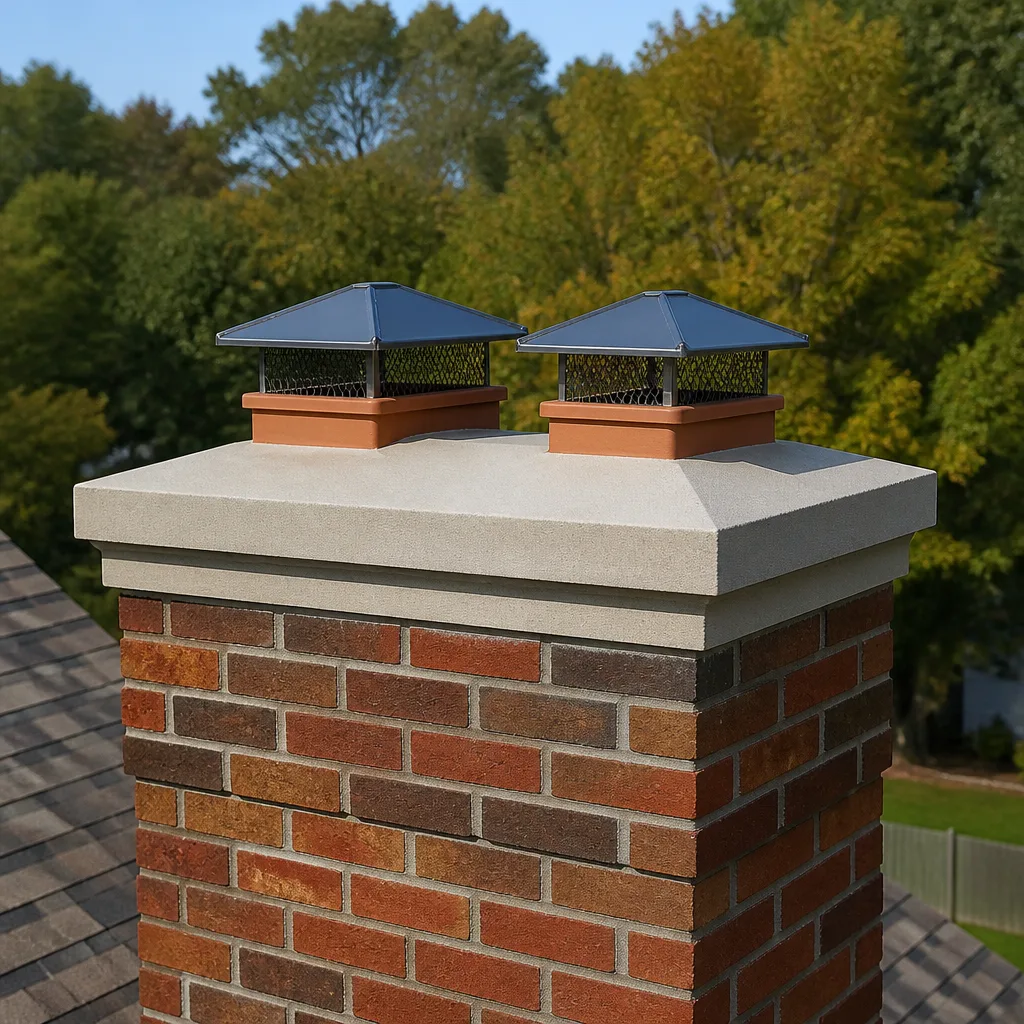 Caps & crowns
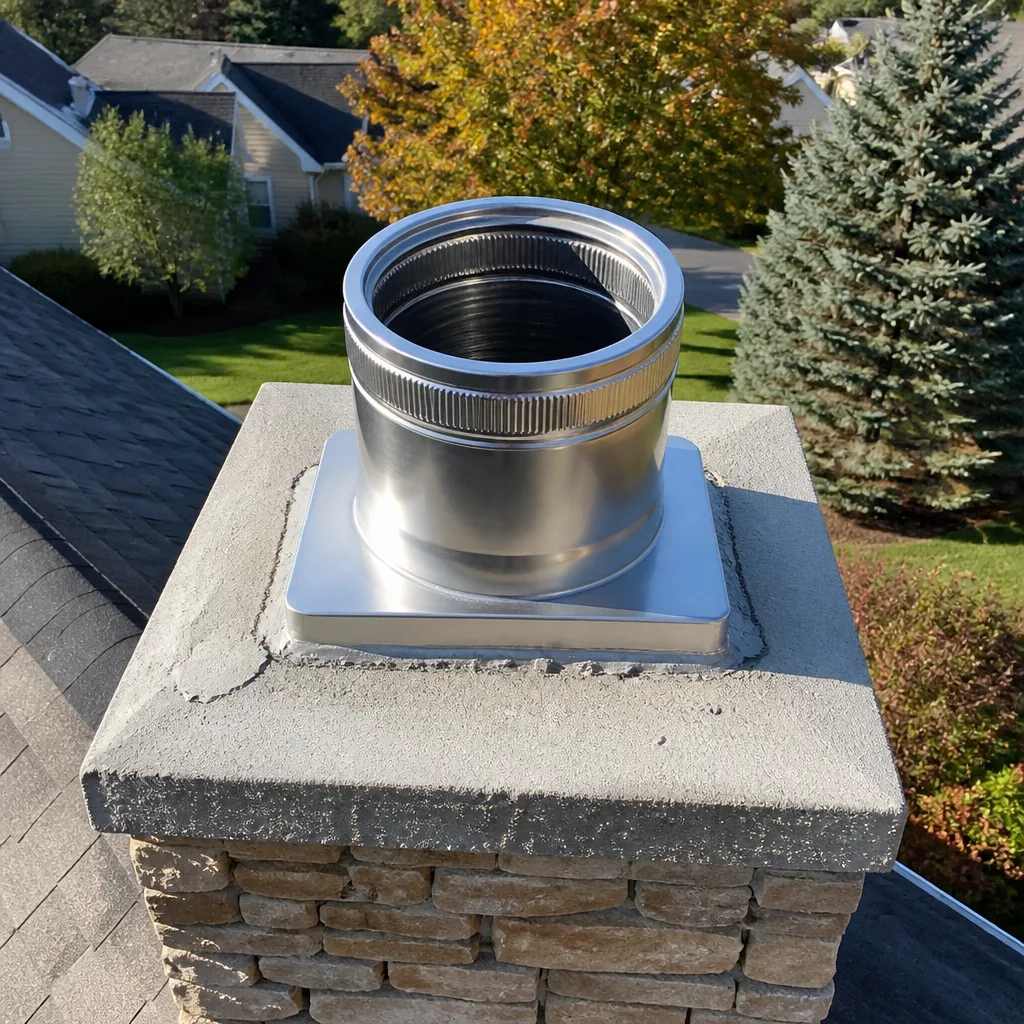 Flue relining
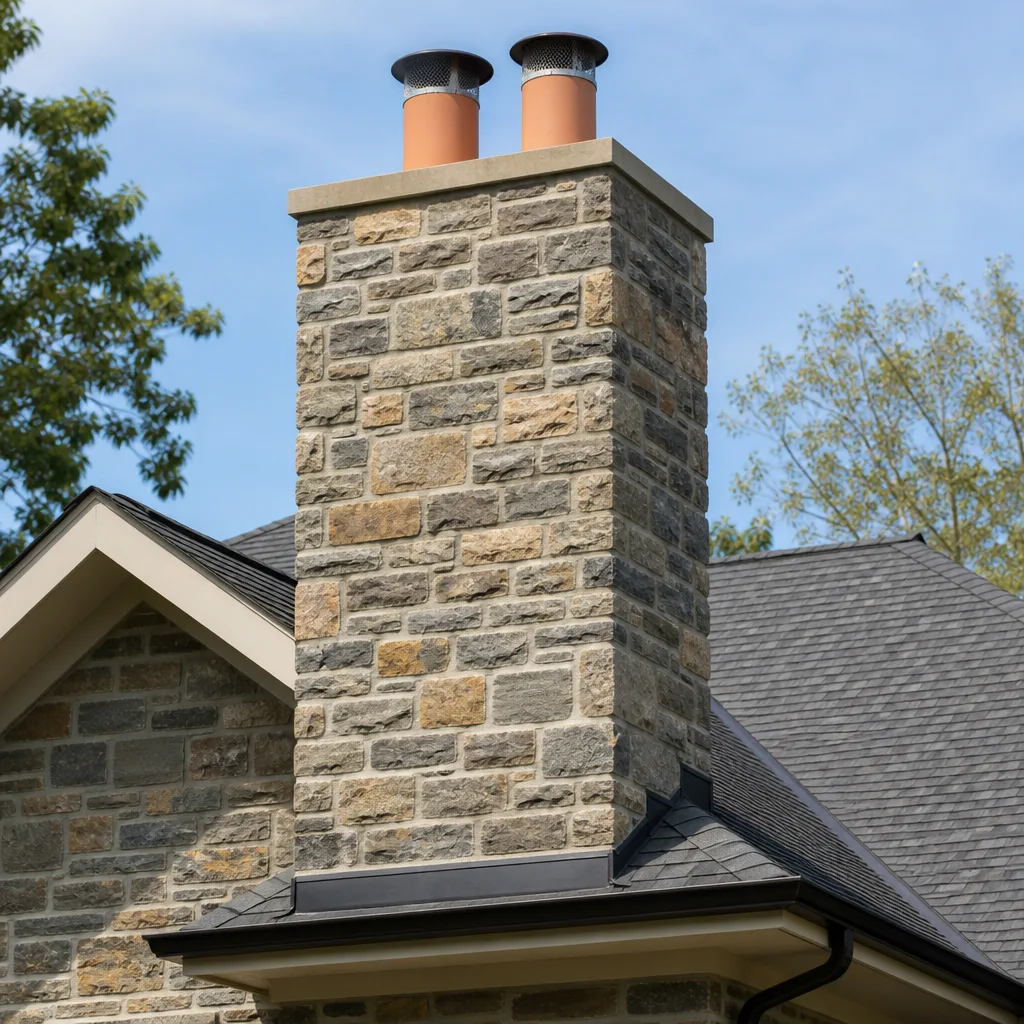 Masonry repair
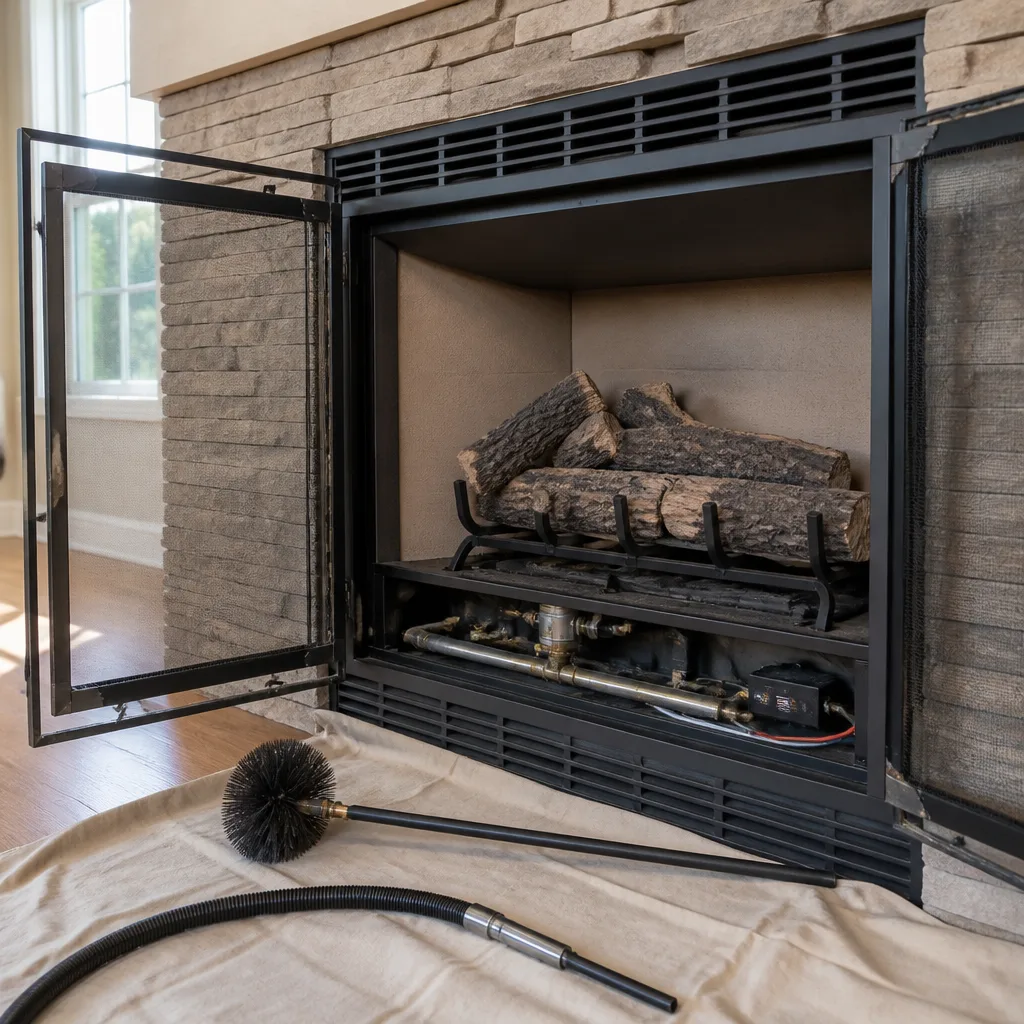 Gas fireplace service
Level 1 sweep and inspection to the NFPA 211 annual standard - flue, crown, cap, and flashing checked and photographed
Chimney sweep logs do not sweep chimneys. They loosen some creosote - which then falls where a brush and vacuum still have to collect it.
Chimney Cleaning Warning Signs: A Vermont Vista Homeowner’s Reference Guide
A white stain running down the face of your chimney isn’t a cosmetic flaw. It’s efflorescence, and it tells you water has already moved through the masonry. That moisture has a path, and once it reaches the flue, you’re not dealing with a stain anymore. You’re dealing with liner degradation, flue gas leaks, and the kind of damage that turns a routine chimney sweep in Vermont Vista into a structural repair. Most warning-sign guides tell you to watch for smoke backing into the room or bricks falling off the stack. Useful, sure, but by then the problem has already had weeks or months to compound. This guide goes a level deeper into the signals that show up before a chimney becomes a fire hazard. Homeowners across Vermont Vista deal with a particular set of conditions: temperature swings that stress mortar, occasional heavy rain that exploits any crown crack, and homes built in the 1950s through the 1980s with masonry that’s now at an age where problems surface. If you heat with wood, gas, or pellets, this is a reference you’ll want to keep.
Styles & brands we work with
- Sweep & inspection
- Caps & crowns
- Flue relining
- Masonry repair
- Gas fireplace service
Quick Answer
The earliest warning signs of a chimney problem in Vermont Vista include white efflorescence staining, flaking brick faces (spalling), mortar joints that have receded more than a quarter inch, unusual odors coming from the firebox on humid days, and draft changes you can feel at the hearth. Most of these appear months before visible smoke backup or structural failure. A professional inspection and cleaning typically catches them in time.
Table of Contents
- Efflorescence: The White Stain That’s Never Just a Stain
- Spalling and Mortar Recession: What Your Masonry Is Actually Telling You
- Odors That Identify the Problem: Musty, Acrid, and Sulfurous
- Draft Irregularities: When the Chimney Stops Pulling
- Inside the Firebox: Creosote Glazing, Damper Rust, and Smoke Staining
- When to Shut It Down vs. When to Schedule a Cleaning
- Common Mistakes to Avoid
- When to Call a Professional
- Frequently Asked Questions
- The Bottom Line
Efflorescence: The White Stain That’s Never Just a Stain
Efflorescence appears as a chalky white or gray deposit on the exterior brick face of a chimney. It forms when water moves through masonry, dissolves mineral salts inside the brick and mortar, and carries them to the surface. When that water evaporates, the salts remain. It’s not the same as mold or mildew, and scrubbing it off doesn’t resolve anything. The water is still inside the chimney system.
In Vermont Vista, we see this most often on chimneys with damaged crowns or missing rain caps. Our seasonal rains give water a long window to penetrate. A hairline crack in a crown that goes unnoticed through a dry summer becomes a highway for moisture once the rain returns. That water travels down through the brick, and alongside the flue liner, it starts working on metal and clay alike.
What Efflorescence Signals About the Flue Liner
By the time efflorescence is visible on the outside, moisture has often been moving through the interior for a while. For clay tile liners, that means joints eroding and tiles cracking or shifting. For metal liners, rust and thinning begin at the seams. A liner compromised by moisture can allow flue gases and heat to reach combustible framing. That’s not a maintenance issue. That’s a fire-safety issue.
Here’s how to read efflorescence in context:
- New staining that wasn’t there last season: Active moisture intrusion. Address it now.
- Old staining that hasn’t spread: The leak may have been sealed, but the masonry should still be evaluated for residual damage.
- Staining combined with cracked or missing crown cap: Water is entering from the top. A cap and crown repair is the first fix.
- Staining concentrated on one side or one chimney face: Water is likely entering through a specific path, like a failed flashing point at the roofline.
- Staining on the interior firebox wall: This points to a more urgent water pathway inside the home, not just the exterior masonry.
A qualified specialist performing a chimney sweep in Vermont Vista can trace efflorescence back to its entry point. Sometimes it’s the crown, sometimes the flashing, sometimes a porous brick surface with a failed water repellent. The stain itself is never the problem. It’s a symptom map. Follow it and you’ll find the source.
Spalling and Mortar Recession: What Your Masonry Is Actually Telling You
Spalling is what happens when the face of a brick flakes, chips, or crumbles away. It can look like scalloped depressions or thin sheets of brick peeling off. Mortar joint recession is subtler: the mortar between bricks wears back from the surface, leaving the bricks slightly proud of the joints. Both conditions mean the same thing at a structural level. Water has been inside the masonry, and the freeze-thaw cycle or repeated moisture exposure is breaking the material down from within.
Vermont Vista doesn’t get hard freezes the way mountain communities do, but we do get temperature swings and enough seasonal moisture to drive the process. Brick is porous. Mortar is even more porous. When water enters and lingers, it does mechanical damage over time. A quarter-inch of mortar recession can allow enough moisture into the wall cavity to start affecting the flue liner behind it.
Ranking the Severity: What to Look For
- Light mortar recession, no brick damage: Repointing is likely sufficient. Schedule an inspection.
- Mortar loss deeper than 1/4 inch in multiple joints: Water is finding consistent pathways. Plan for masonry repair.
- Visible spalling on individual bricks: Those bricks need replacement. The structural integrity of the stack is now compromised.
- Widespread spalling or bricks that can be pulled out by hand: The chimney is no longer structurally sound. Stop using the fireplace until repairs are completed.
- Spalling combined with interior flue staining or draft changes: The damage has likely progressed to the liner and internal flue system.
Here’s a point most guides skip: the exterior condition of a chimney often doesn’t match the interior condition. We’ve swept chimneys in Vermont Vista where the exterior brick looked nearly pristine and the clay tile liner inside had multiple cracked sections. We’ve also seen chimneys with ugly exterior spalling but an intact liner. The exterior is a clue, not a diagnosis. That’s why camera inspection matters. A visual check from the ground can’t tell you whether your flue is safe. A camera can.
When we find masonry damage during a sweep, we can usually address it through our chimney repair in Vermont Vista service without sending you to another contractor. That’s the advantage of a specialist that does both. The person who sees the damage on camera is the same person who can repair it.
Odors That Identify the Problem: Musty, Acrid, and Sulfurous
Your chimney has a smell signature, and each one points to a different condition. Homeowners in Vermont Vista often describe these odors as appearing on humid days, when the air pressure shifts, or when the HVAC system is running and pulling air through the flue. Let’s break down what each smell means.
Musty or Damp Odor
A musty smell from the firebox usually means water is present somewhere in the flue system. The source might be a cracked crown, a missing or damaged rain cap, compromised flashing at the roofline, or condensation forming inside an oversized flue. If the odor is strongest on rainy days or in the morning after a cool night, water intrusion is the most likely cause.
What this means: the liner is being exposed to moisture, which shortens its lifespan. In a masonry chimney, water dissolves the mortar holding clay tiles together. If you smell musty, you need a moisture assessment, not just a cleaning.
Acrid or Sharp Burned Smell (When the Fireplace Is Cold)
This is the odor of creosote. When creosote deposits accumulate, they release a sharp, acrid smell that gets more noticeable on warm or humid days when the air expands inside the flue. Creosote is the byproduct of incomplete wood combustion, and it adheres to the flue walls as a hard, tarry, or flaky substance. The acrid smell means deposits have built up enough to become volatile.
What this means: you’re at elevated risk for a chimney fire. Creosote is fuel. The National Fire Protection Association (NFPA) identifies creosote buildup as a primary cause of chimney fires, and the smell is an early indicator that a sweep is overdue.
Sulfurous or Rotten-Egg Smell
A sulfurous smell from a fireplace that’s connected to a gas log set or gas insert points to incomplete combustion or venting problems. Natural gas has no odor, but the mercaptan added to it produces that rotten-egg smell. If you smell it when the gas logs are burning or shortly after, the flue may be obstructed, the damper may be partially closed, or the venting system may not be drafting properly.
One important distinction: a gas smell inside the room is a utility emergency. You should leave the home and call your gas company. But a sulfurous smell localized to the firebox when the system is operating is often a flue or venting issue that a chimney specialist can diagnose.
What to Do With Any of These Odors
Don’t mask the smell. Don’t burn something to cover it. Don’t close the damper and forget about it. The odor is the chimney telling you something specific about its condition. A trained technician can usually identify the source within the first few minutes of an inspection. From there, the fix is straightforward: a sweep, a crown repair, a cap replacement, or a liner evaluation. Waiting means the underlying condition keeps developing.
Draft Irregularities: When the Chimney Stops Pulling
Draft is the movement of air up and out of the flue. When it works, combustion gases leave your home and the fire burns cleanly. When it doesn’t, you’ll notice it. Smoke pushing back into the room is the obvious sign, but the subtler ones appear first, and they matter.
Early Draft Warning Signs
- The fire is harder to start than it used to be, even with dry wood.
- You smell smoke indoors not during the fire, but hours later, especially in the room with the fireplace.
- The glass on a wood stove or insert is blackening more quickly than it once did.
- Flames dance oddly or lean toward the room rather than pulling upward.
- A lit match or incense held near the open damper barely moves, or moves downward.
- Other appliances in the home, like a gas water heater, seem to vent more slowly.
Draft changes have a cause. Here are the suspects we’ve found most often in Vermont Vista homes:
Partial Blockage
Nesting material from birds or squirrels, accumulated creosote, or leaf debris can partially obstruct the flue. A partial blockage reduces the effective diameter of the chimney. The draft weakens. The fire fights for oxygen. Incomplete combustion produces more creosote, which reduces the draft further. It becomes a self-reinforcing problem.
Crown Damage or Cap Failure
A cracked crown or a missing cap allows rain to enter, but it also lets wind create turbulence at the top of the flue. Wind can push down the chimney as easily as draft can pull up. If your draft is inconsistent, meaning it’s fine on calm days and poor on windy days, the issue is likely at the top of the chimney, not inside the flue.
A Flue That’s Too Large for the Appliance
Older masonry chimneys in Vermont Vista were sometimes built for larger, open fireplaces that have since been replaced with inserts or high-efficiency stoves. The new appliance vents into a flue that’s oversized for its output. The exhaust gases cool too quickly as they rise, slow down, and sometimes reverse entirely. An appropriately sized liner, like the DuraFlex or Olympia Chimney products we install, corrects this by matching the flue diameter to the appliance’s venting requirements.
Competition for Air Inside the Home
Modern homes are sealed more tightly than older ones. Range hoods, bath fans, clothes dryers, and furnaces all pull air out of the living space. If the home can’t replace that air, the chimney becomes the make-up air source, and draft reverses. This isn’t a chimney defect, but it’s a condition a chimney specialist will recognize during an inspection. The fix may be as simple as opening a window a crack when the fireplace operates, or it may involve a dedicated combustion air intake for the appliance.
Inside the Firebox: Creosote Glazing, Damper Rust, and Smoke Staining
Take a flashlight and look inside your fireplace. Not at the ash, but at the upper walls of the firebox, the damper plate, and the area above the lintel. Those surfaces hold clues that tell you what’s happening in the flue above them, and in the chimney system at large.
What You’re Looking At
Glazed creosote on firebox walls or visible on the damper frame: Creosote comes in three stages. Stage one is a flaky, sooty deposit that brushes off easily. Stage two is a tar-like, darker coating. Stage three creosote is glazed, baked-on, and hardened to a glossy shell that resembles glass. If you see glazed creosote anywhere inside the firebox, particularly on the damper or just above it, that deposit is present in the flue too. Glazed creosote is extremely difficult to remove with standard brushes and often requires chemical treatment or mechanical rotary removal. More importantly, it’s the most flammable form of creosote. A chimney fire with glazed creosote burns hotter and lasts longer than one with looser deposits.
Rust staining on the damper or firebox floor: Rust means water. The damper is the first metal surface inside the flue, so it’s often the first place water shows up. Water reaches the damper either through the flue opening (if the cap is missing or compromised) or through the masonry walls (if the flashing or crown is failing). A rusted damper is more than a cosmetic issue. Over time, the damper mechanism seizes, which may leave it permanently open or closed. Either condition is a problem: a stuck-open damper lets heat from the home escape up the flue, and a stuck-closed damper blocks the exhaust path the next time you build a fire.
Smoke staining above the lintel, on the fireplace face, or on the mantel: The lintel is the metal or stone beam that supports the masonry above the fireplace opening. Smoke staining on the wall just above the lintel or across the mantel means exhaust is spilling into the room during operation, even if it’s not noticeable while the fire burns. This points to insufficient draft, often from a partially blocked flue or an undersized chimney relative to the fireplace opening. Smoke stains that are new or that have spread since the previous season are a sign that the draft has degraded.
Efflorescence on interior firebox bricks: White deposits inside the firebox, not just on the exterior masonry, tell you moisture is migrating through the wall. This is a more direct signal than exterior efflorescence because it means the water is already inside the thermal barrier between the fire and the house structure. In our experience, this often appears alongside liner joint damage in the flue.
Severity Ranking: A Quick Reference
- Ash and light soot: Normal after a season of burning. Schedule a seasonal cleaning.
- Flaky creosote visible: Stage one or two buildup. A sweep is due, and now is the time.
- Glazed creosote anywhere in the firebox: You may also see it in the flue. Stop using the fireplace and have a professional cleaning, which may require specialized rotary tools.
- Rust on the damper plus smoke staining: You have water plus draft problems. Both need to be addressed before further use.
- Interior efflorescence plus any of the above: The water intrusion is significant. A full liner and masonry evaluation is warranted.
When to Shut It Down vs. When to Schedule a Cleaning
Not every warning sign means “stop immediately.” Some mean “get a sweep on the calendar.” The distinction matters. If you shut down a fireplace unnecessarily, you lose out on weeks of comfortable heat. If you keep burning with a hazardous condition present, you risk a chimney fire or carbon monoxide exposure. Here’s the framework we use.
Shut It Down and Do Not Use the Fireplace Until Inspected
- You smell gas (rotten egg odor) inside the home, not just inside the firebox. Leave the house and contact your utility provider immediately.
- Smoke visibly spills into the room during normal operation, and it doesn’t resolve within the first few minutes of the fire.
- You find fallen brick pieces, tile fragments, or large creosote flakes in the firebox.
- You hear cracking or popping from the chimney structure during a fire, separate from normal wood-crackle sounds.
- The damper is visibly rusted through, warped, or no longer opens and closes.
- Glazed creosote is visible on any accessible firebox surface.
Schedule a Cleaning Within the Season
- Efflorescence is present but stable, with no other interior symptoms.
- You notice a mild musty or acrid odor on humid days only.
- The draft feels slightly weaker than last season, but fires still burn acceptably.
- Mortar joints show light recession, and no brick faces are flaking.
- You’ve burned more than one cord of wood since the last cleaning.
- It’s been more than a year since the last sweep, regardless of symptoms.
The NFPA recommends an annual chimney inspection and cleaning for any fireplace or wood stove that sees regular use. That’s the baseline. The warning signs above are what prompt you to move sooner if needed.
How This Works in Our Service
When we arrive at a Vermont Vista home, we don’t just sweep and leave. The sweep includes a visual inspection, and we offer camera inspection when needed to document what’s happening inside the flue. If we find a problem, we have the capability to repair it through our chimney repair service in Vermont Vista. That matters because the alternative, being told to call someone else and coordinate a second appointment, is often where problems fall through the cracks. A homeowner gets a report, intends to schedule the repair, and six months later the chimney condition is worse. Single-point accountability means the sweep and the repair happen in sequence, not in pieces.
Common Mistakes to Avoid
The following are the mistakes we’ve seen homeowners in Vermont Vista make that turn a manageable chimney issue into a structural or safety problem. Every one of these comes from real conditions we’ve encountered on job sites.
- Scrubbing off efflorescence and assuming the problem is solved. Efflorescence is a symptom of water migration. Removing the visible stain does nothing to stop the moisture inside the masonry. If the underlying water path isn’t addressed, the same stain returns, and the liner continues to degrade in the meantime.
- Using a chemical chimney sweeping log as a substitute for a mechanical cleaning. Sweeping logs can help loosen lighter creosote deposits, but they don’t remove the buildup, they don’t clear glazed creosote, and they don’t give you an inspection of the flue condition. A homeowner who relies on these year after year can accumulate serious deposits without ever seeing them.
- Ignoring a musty smell because it’s intermittent. Intermittent symptoms are still symptoms. A musty smell that only appears after rain means water is entering after rain. It doesn’t mean the water is only present after rain. The moisture lingers in the masonry and liner, doing damage in between.
- Closing the damper on a hot day to try to stop the smell. This masks the odor but traps moisture inside the flue, which accelerates corrosion and masonry damage. It can also create the conditions for more rapid creosote degradation, which intensifies the smell over time.
- Assuming a chimney with a cap needs no maintenance. A cap protects against rain and animal entry, but it doesn’t prevent creosote buildup, and a damaged cap can actually contribute to turbulence and poor draft. Annual inspection still applies with a cap installed.
- Putting off a sweep because it’s the off-season. The best time to clean a chimney in Vermont Vista is in the spring or summer, after burning season ends. The flue is dry, the creosote is at its most brittle and removable, and any repairs can be completed before the next season starts. Waiting until fall means competing for availability and burning on a dirty flue for the first part of the season.
When to Call a Professional
If you’ve noticed any of the following in your Vermont Vista home, a professional inspection is warranted: efflorescence on exterior brick, mortar joints receding visibly, rust on your damper, glazed creosote inside the firebox, smoke staining above the lintel, or an odor that appears on humid days. If any two of these signs appear together, the priority increases. If any of the “shut it down” conditions are present, stop using the fireplace until the system has been inspected. We work with professional-grade materials from brands like HeatShield, Gelco, and Famco because when a liner resurfacing or component replacement is required, the quality of what’s installed is non-negotiable. Chimney Sweep Vermont Vista offers free estimates across Vermont Vista. Call (888) 453-5781 to schedule a sweep or inspection.
Frequently Asked Questions
A standard chimney sweep in Vermont Vista generally runs between $180 and $350 depending on the condition of the flue, the type of appliance, and whether any additional services are required. Sweeps that involve glazed creosote removal or that are combined with a camera inspection will typically fall at the higher end of that range. Call (888) 453-5781 for an exact quote based on your chimney’s condition. Estimates are free.
The NFPA recommends an annual inspection and cleaning for any fireplace, wood stove, or pellet appliance that sees regular use. If you burn more than two cords of wood per season, or if you burn primarily softwoods, more frequent cleanings may be needed. The accumulation rate of creosote is directly related to how much you burn and how completely your wood combusts, so the one-year standard is a minimum, not a magic number.
Creosote continues to accumulate inside the flue, reducing the effective diameter and increasing the risk of a chimney fire. As the flue diameter shrinks, draft weakens, which means more incomplete combustion and faster creosote buildup, a cycle that compounds each season. If the buildup is enough to ignite, a chimney fire can reach temperatures that crack clay tiles, warp metal liners, and allow heat to reach the home’s framing. The cost of a sweep is a fraction of the cost of replacing a damaged flue system.
If the liner has minor joint erosion or a few small cracks, resurfacing with a ceramic repair system like HeatShield can often restore its integrity without a full replacement. If the liner has shifted, collapsed, or has multiple large cracks, a full replacement is typically the safer option. We offer liner repair and chimney repair in Vermont Vista so the recommendation you receive is based on what the camera shows, not on what’s easier to sell.
Yes. The lint trap catches a portion of the lint your clothes produce, but a meaningful percentage passes through the trap and accumulates in the vent line over time. Lint buildup restricts airflow, which causes the dryer to run hotter and longer while attempting to dry each load. That heat, combined with the lint, is exactly why the U.S. Fire Administration identifies clothes dryer fires as a leading household fire cause. Our dryer vent cleaning service in Vermont Vista clears the line so the appliance can operate as designed.
A properly fitted cap solves water intrusion only if the water is entering through the flue opening itself. If the water is entering through a cracked crown, failed flashing, or porous masonry, a cap alone won’t fix it. In many cases, a cap is part of the solution, combined with crown repair and a masonry water repellent where appropriate. The only way to know which fix applies is to trace the moisture path, and that requires an inspection.
The Bottom Line
The chimney outside your Vermont Vista home is a system, not a stack of bricks. Each visible surface sends signals about what’s happening inside the flue. Efflorescence means water is moving. Spalling means the masonry is failing. An acrid smell means creosote is reaching volatile levels. A weak draft means something is obstructing or interfering with the flue’s airflow. Reading these signs early, and acting on them, is what separates a seasonal maintenance appointment from a structural repair. If you notice any of the warning signs in this guide, or if you simply want a professional’s eyes on your system, call (888) 453-5781 or visit our Chimney Sweep Vermont Vista home page to schedule a sweep and inspection. A clean chimney is a safe chimney, and we can prove it before we leave.
Written by the team at Chimney Sweep Vermont Vista, serving Vermont Vista since 2017.
See the difference
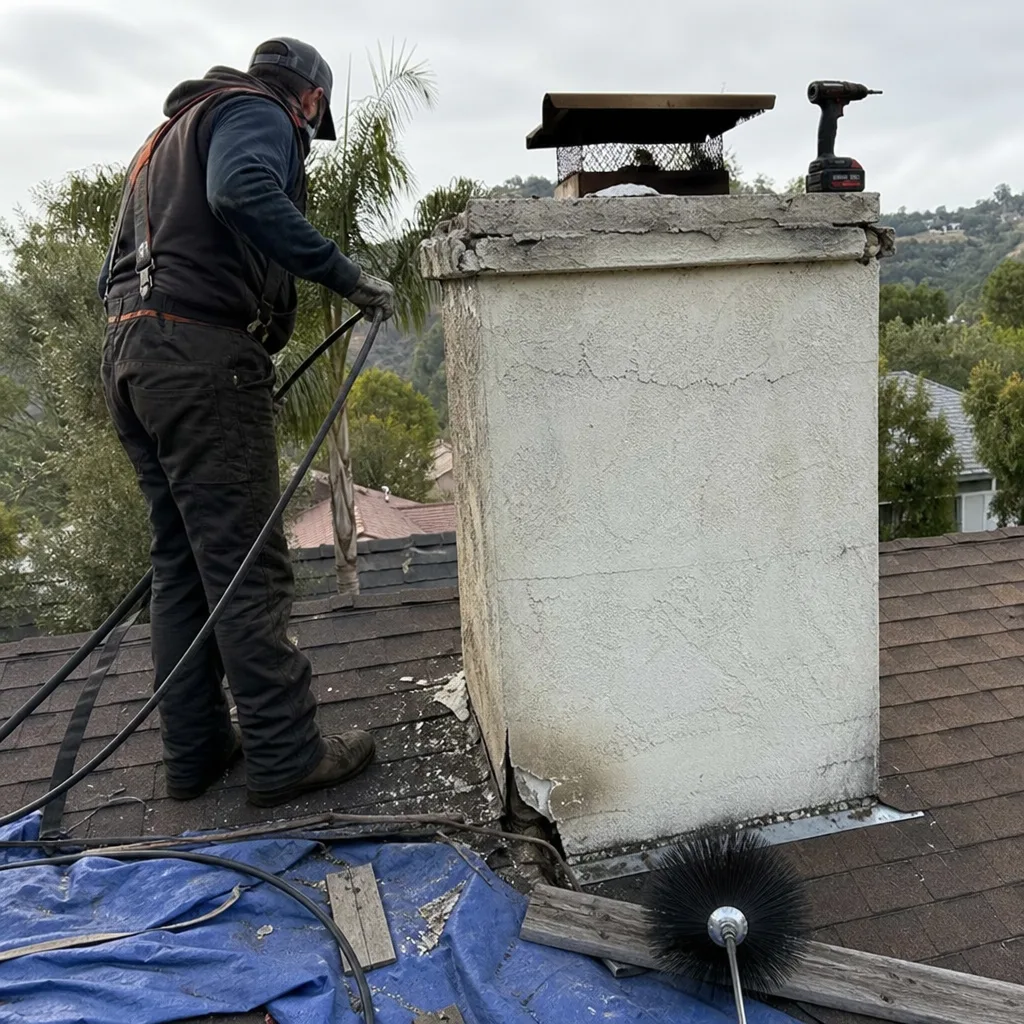 Before
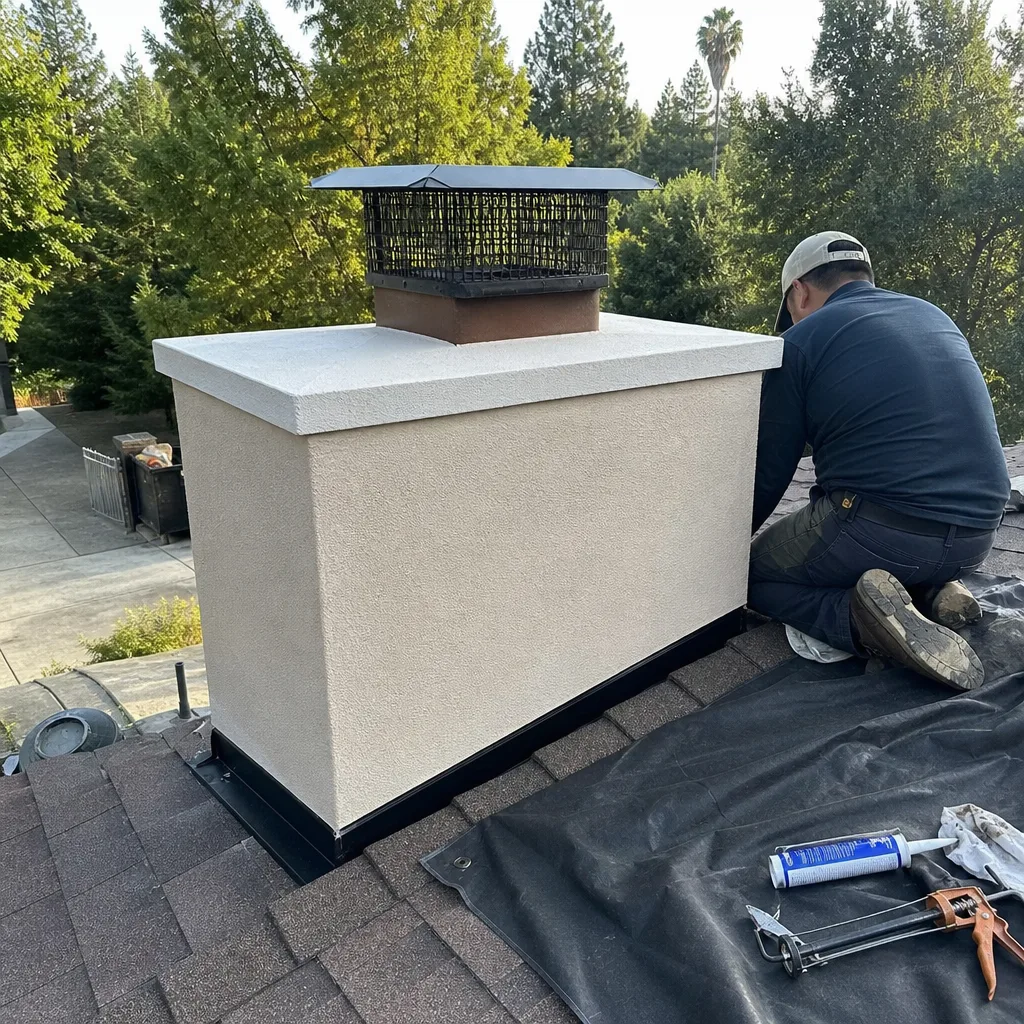 After
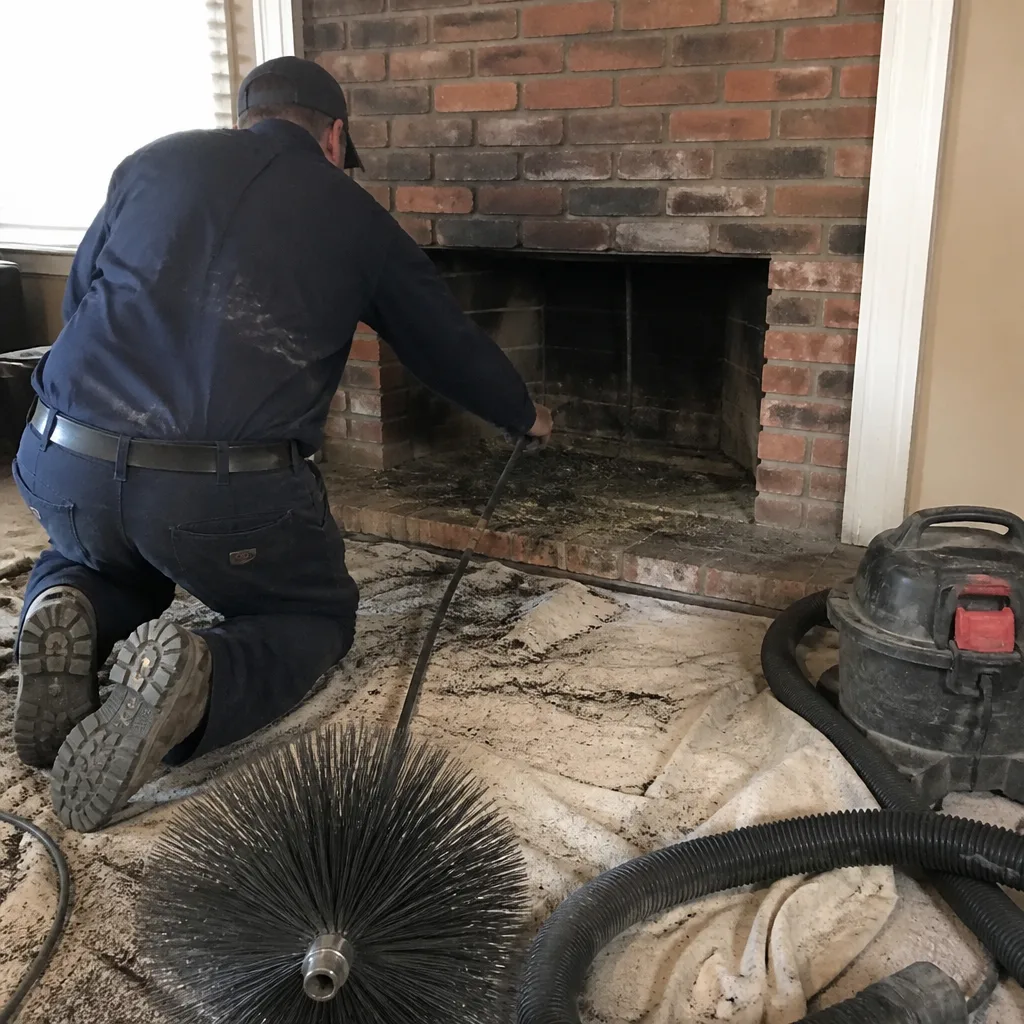 Before
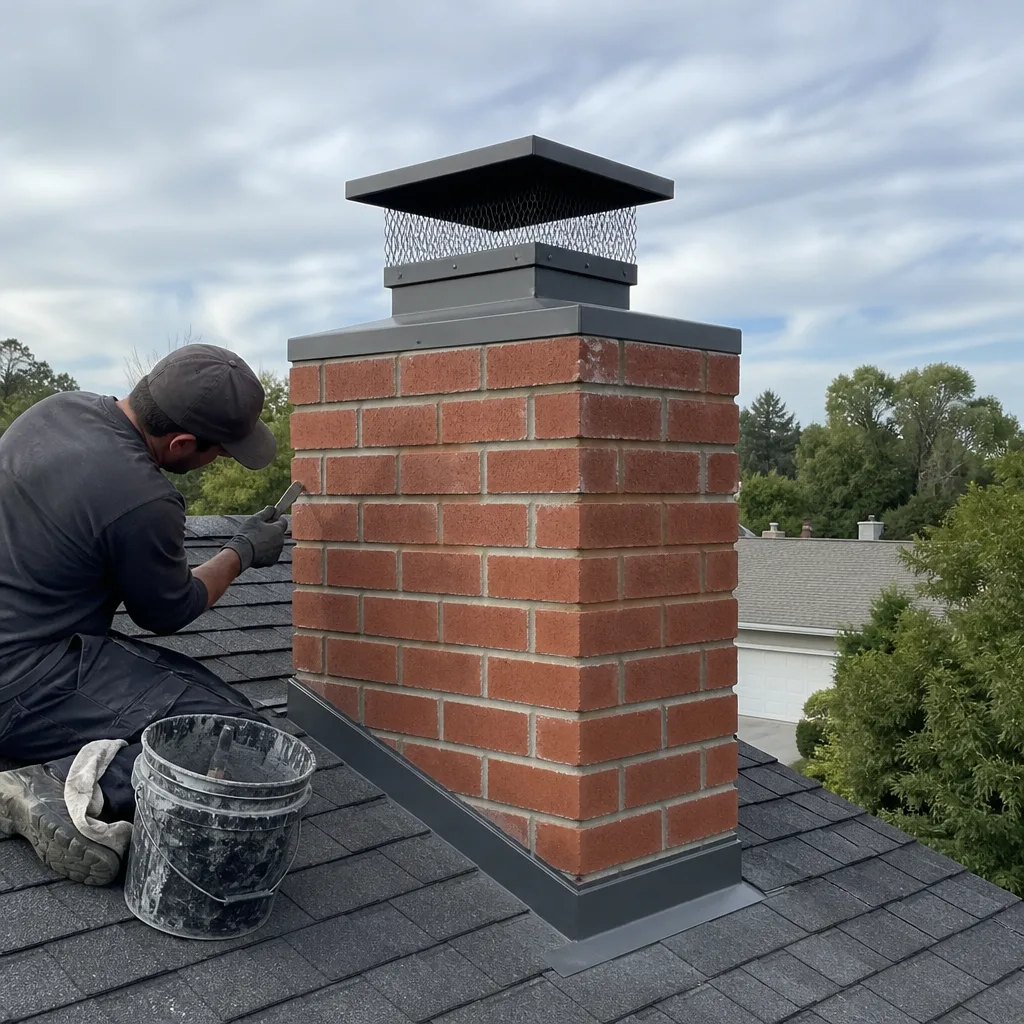 After
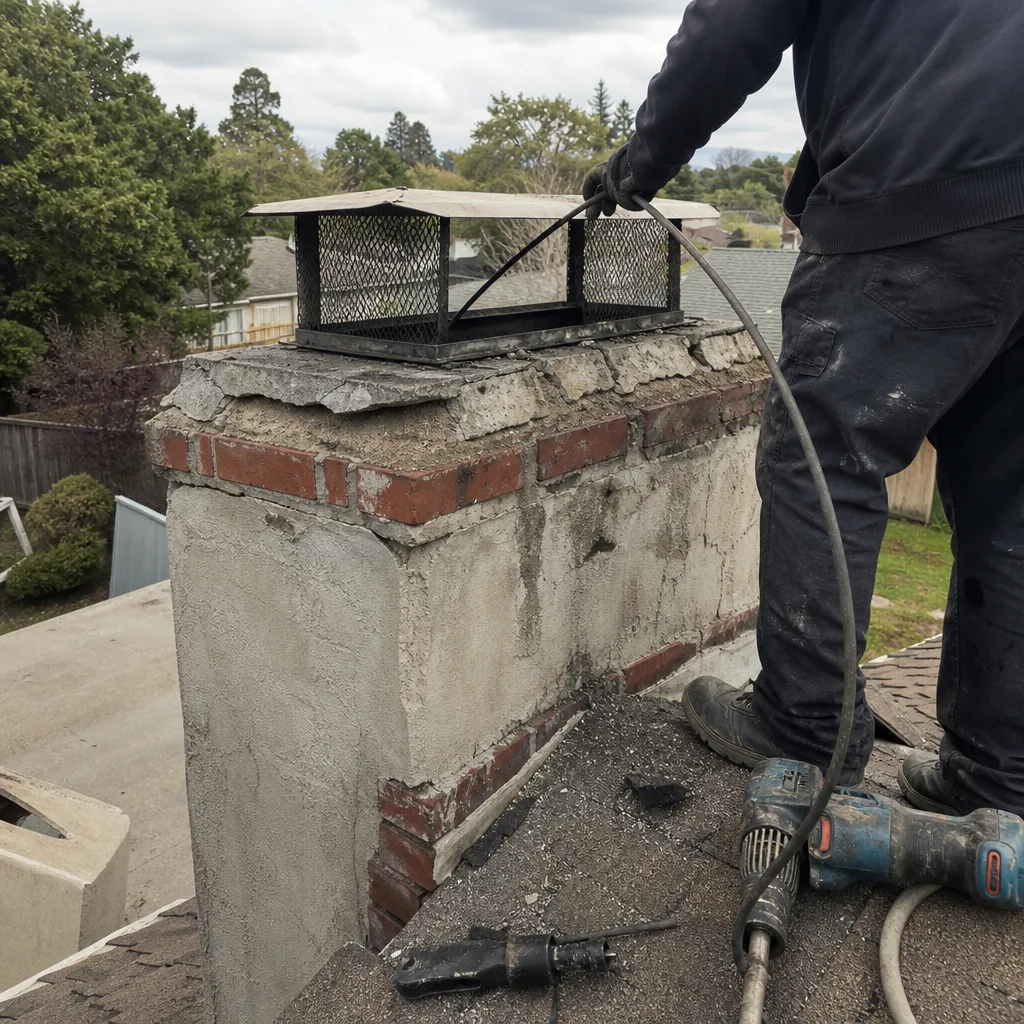 Before
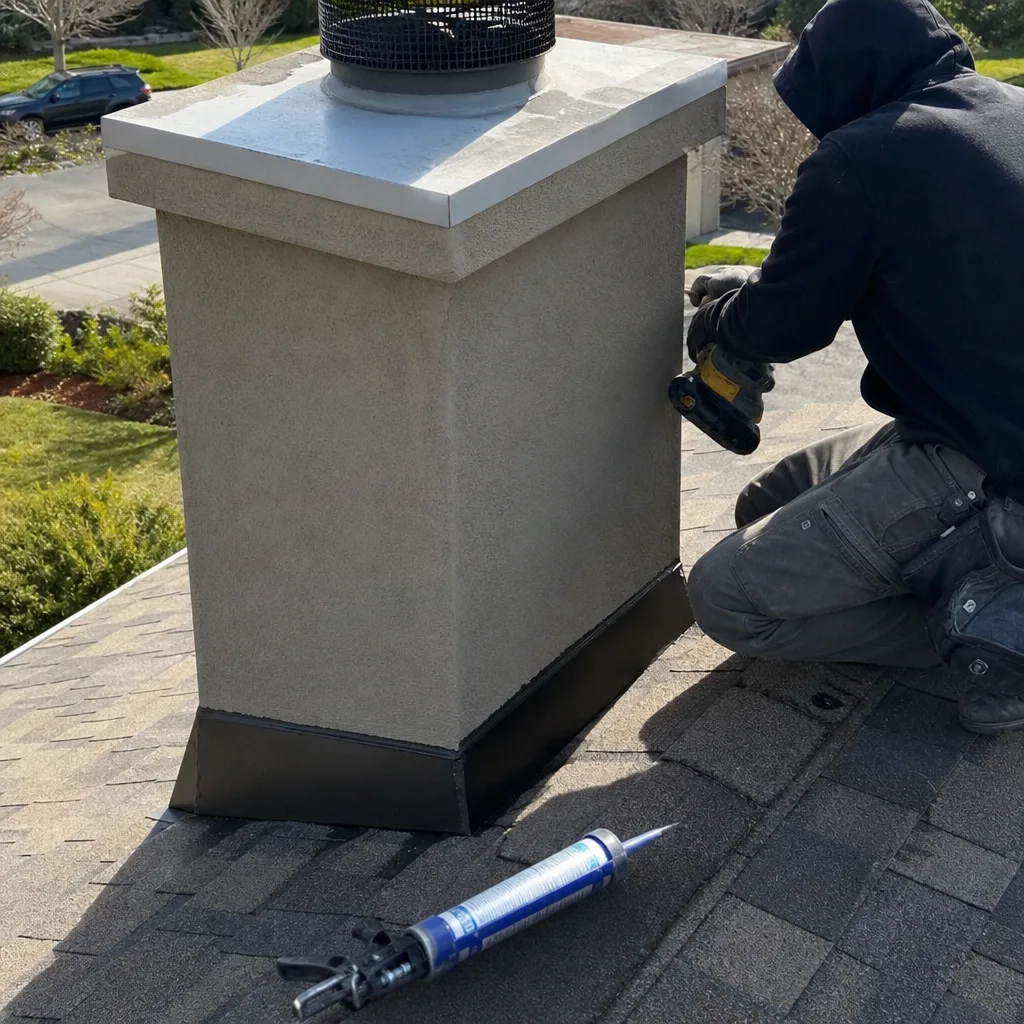 After