
Last updated November 3, 2026
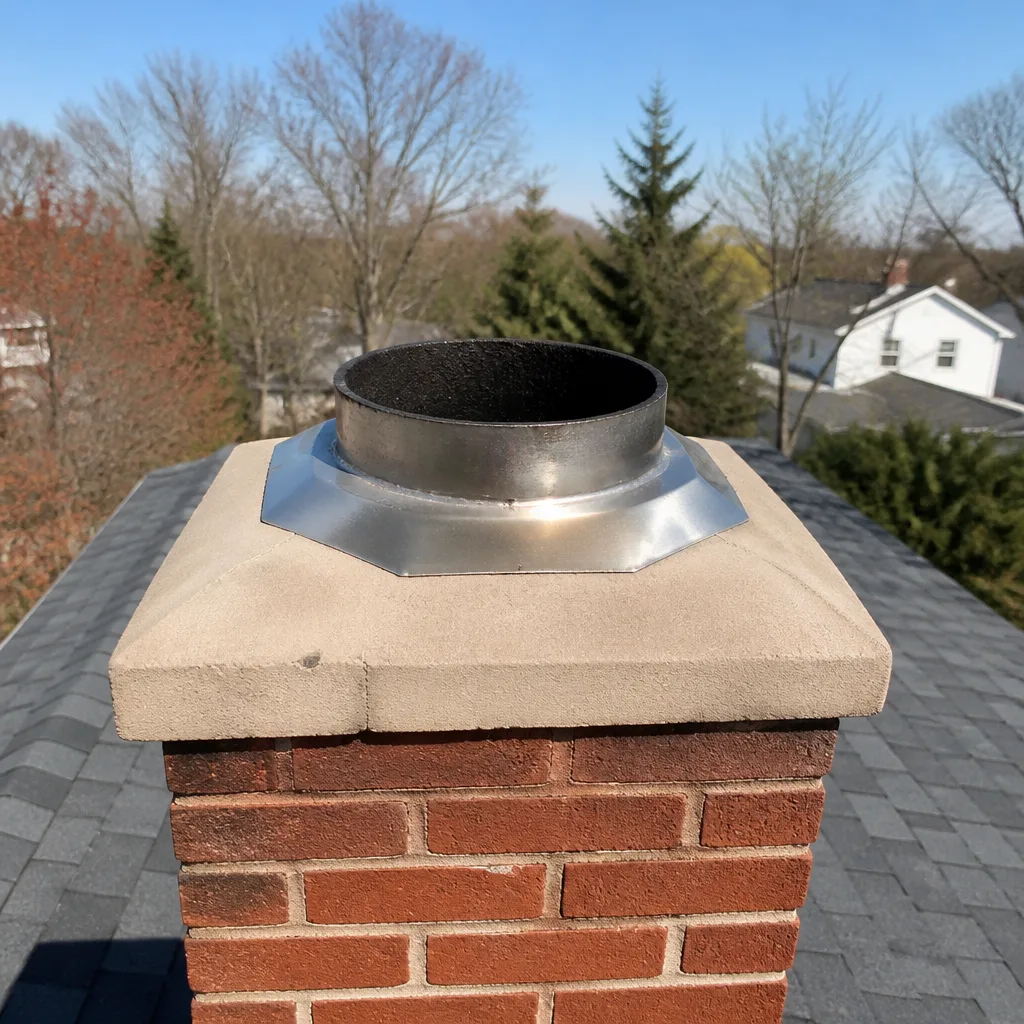 Sweep & inspection
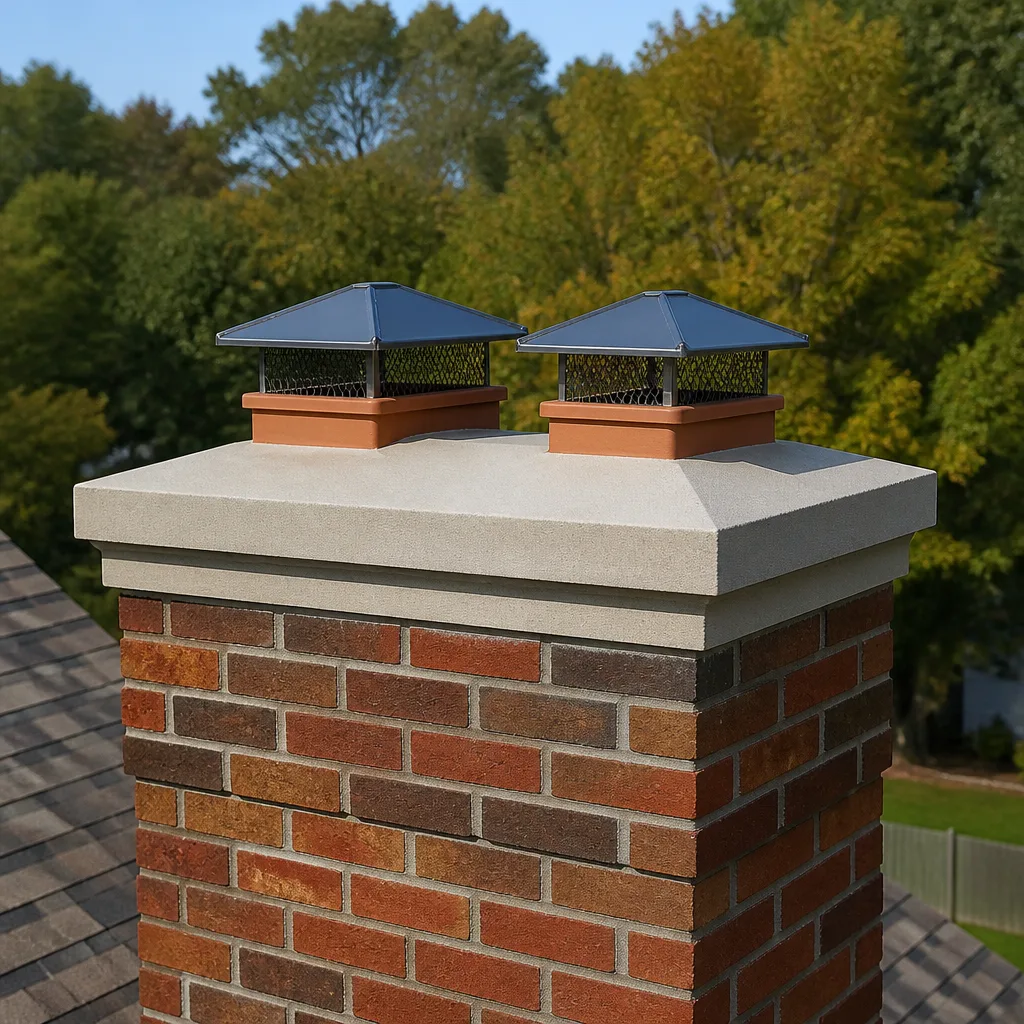 Caps & crowns
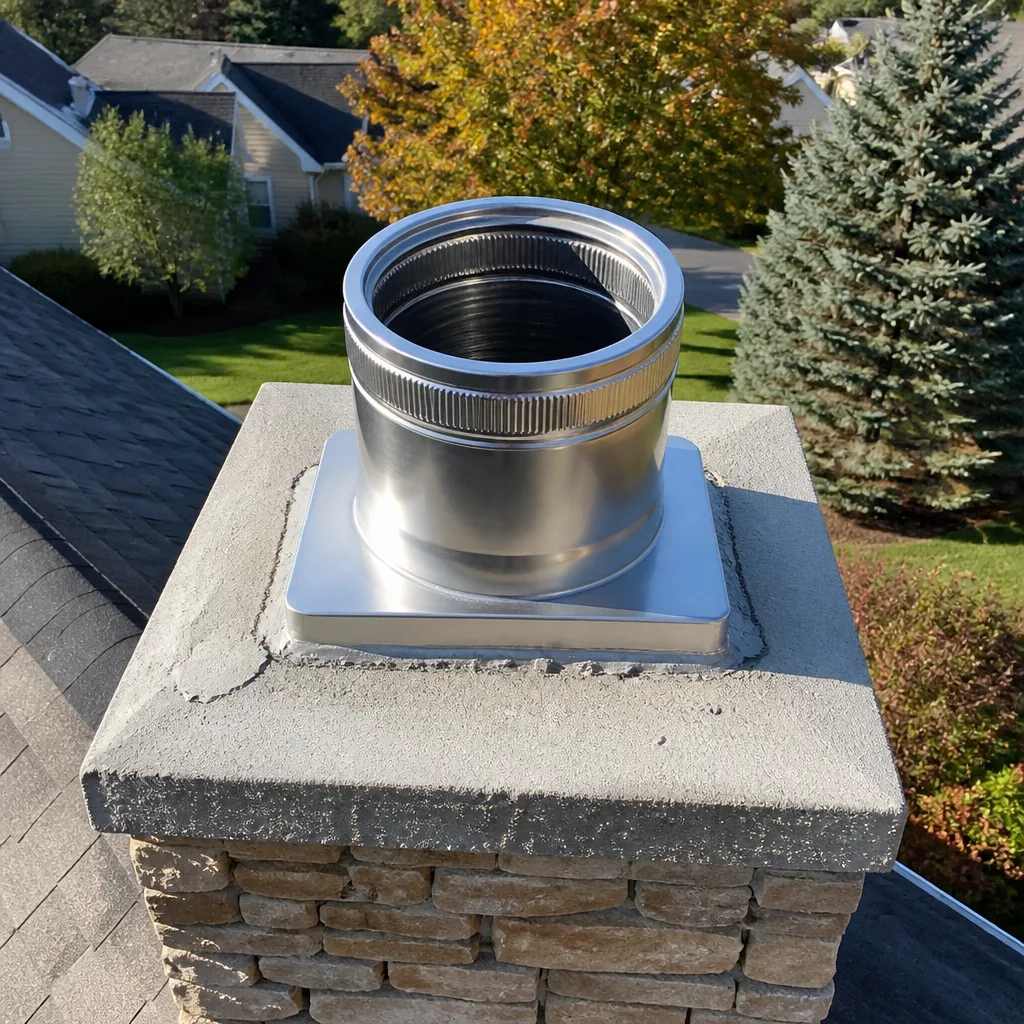 Flue relining
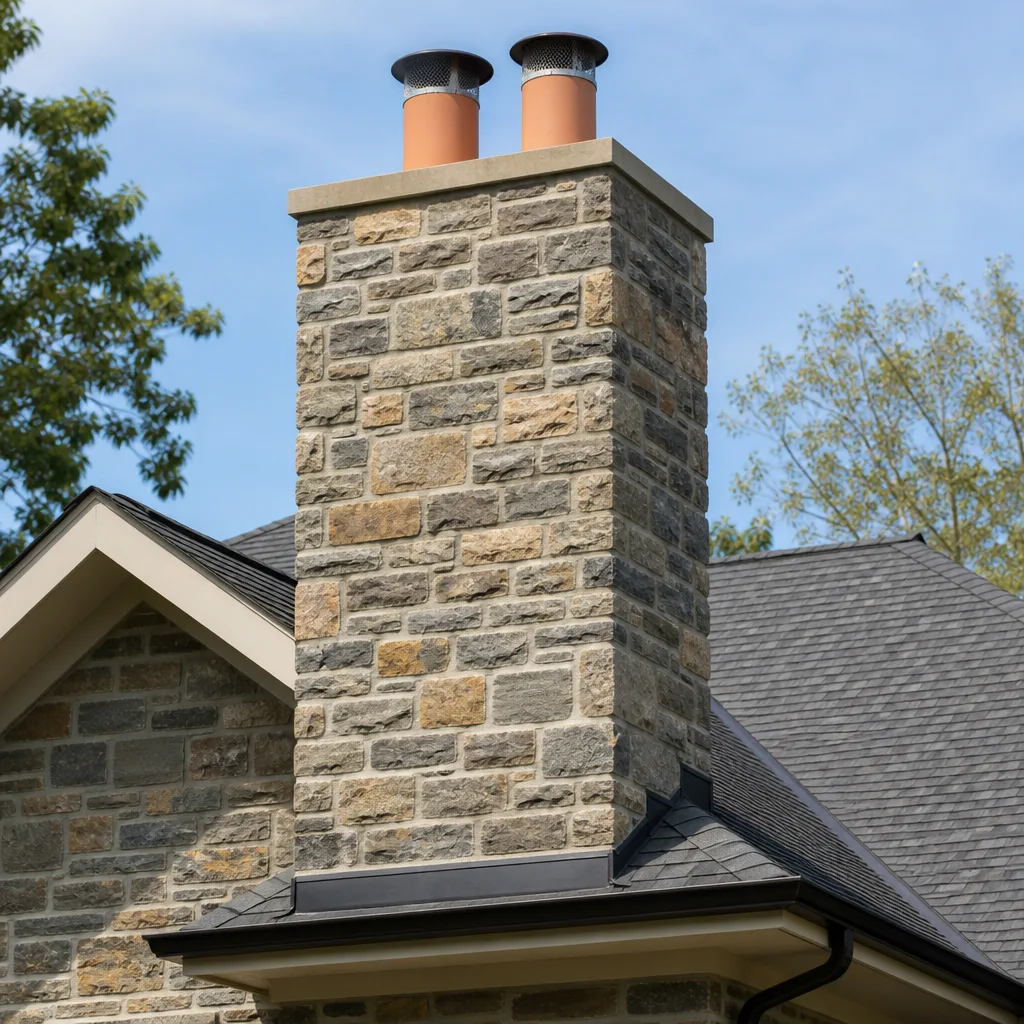 Masonry repair
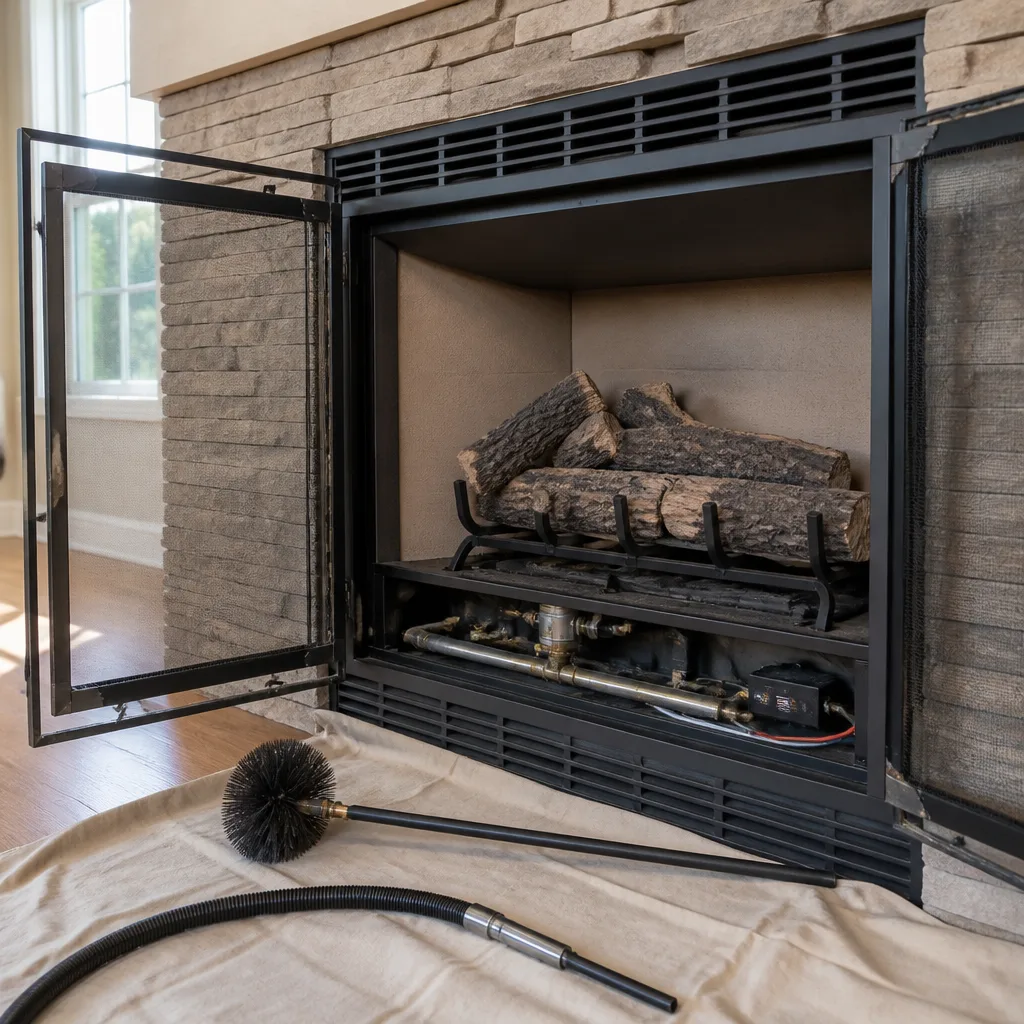 Gas fireplace service
Level 1 sweep and inspection to the NFPA 211 annual standard - flue, crown, cap, and flashing checked and photographed
Chimney sweep logs do not sweep chimneys. They loosen some creosote - which then falls where a brush and vacuum still have to collect it.
Choosing the Right Chimney Cleaning Brand: A Buyer’s Guide for Vermont Vista
Most homeowners in Vermont Vista spend more time researching a $40 coffee maker than the materials that will line the flue carrying 400-degree exhaust out of their house. That’s backwards. The liner, cap, and sealant brand your chimney contractor uses determines whether a repair lasts five years or twenty-five, and whether a warranty means anything when something fails. This guide explains how to evaluate chimney cleaning and repair companies by the brands they source, not the logo on their truck. For a broader look at maintenance, see our Complete Guide to Chimney Cleaning in Vermont Vista. If you heat with wood, gas, or pellets in Vermont Vista, what you’re about to read will change how you vet every contractor who touches your chimney.
Quick Answer
Choosing the right chimney cleaning brand in Vermont Vista comes down to one question: can the contractor name the manufacturer of the liner, cap, and sealant they’ll install, and can you verify that sourcing through the manufacturer’s dealer locator? Companies that work with professional-grade brands like DuraFlex, HeatShield, and Copperfield are sourcing from the certified supply chain, which means warranty coverage stays intact and materials are built for flue conditions. Chimney Sweep in Vermont Vista uses these professional lines specifically because unlabeled generics fail earlier and can’t be warrantied.
Styles & brands we work with
- Sweep & inspection
- Caps & crowns
- Flue relining
- Masonry repair
- Gas fireplace service
Table of Contents
- The Material Brand Test: Why It Matters More Than the Company Name
- The Key Brands in Chimney Liner, Cap, and Sealant Categories
- How to Verify a Contractor’s Material Sourcing
- Brand Traceability and Warranty Validity
- Approved Sealants vs. Patching Compounds: Why the Wrong Category Is a Code Issue
- How to Ask a Contractor About Material Sourcing Without Sounding Adversarial
- Vermont Vista-Specific Factors: Climate, Code, and Housing Stock
- Why Dryer Vent Cleaning Belongs in the Same Conversation
The Material Brand Test: Why It Matters More Than the Company Name
When you hire a chimney sweep, you’re not really hiring a person with a brush. You’re hiring a purchasing decision. Every contractor decides where to buy liner sections, caps, sealants, and connectors. Some buy from professional chimney supply distributors that stock certified, listed products. Others buy whatever’s cheapest at a hardware store or online marketplace, where knockoff stainless steel flex liners and unlisted caps are common. The difference shows up years later, usually as a rust-through liner, a cracked cap, or a sealant that’s turned to powder.
We’ve pulled liners out of Vermont Vista chimneys that were stamped with nothing at all, no manufacturer mark. No mark means no spec sheet. No spec sheet means no way to know the alloy grade, the temperature rating, or the wall thickness. That’s not a liner, it’s a liability. In our experience, a homeowner who asks “what brand is that liner?” before installation is already ahead of ninety percent of the market. This is the single most useful question you can ask any chimney contractor, and the answer tells you more than a hundred online reviews.
The professional supply chain exists for a reason. Manufacturers like DuraFlex and Copperfield only sell through certified dealers and chimney supply houses. They don’t put their products on clearance racks. So when a contractor can name these brands and show you the packaging or spec sheet, you’re looking at someone who’s been vetted by the manufacturer’s distribution network. When they can’t, you’re probably looking at commodity materials with no traceability.
The Key Brands in Chimney Liner, Cap, and Sealant Categories
DuraFlex is one of the most widely specified stainless steel chimney liner brands in residential use. Their liners are manufactured to UL 1777 standards for relining masonry chimneys, with specific alloy grades for different fuel types. DuraFlex sells through professional chimney supply distributors only. You won’t find genuine DuraFlex products at a big-box hardware store. That distribution model is intentional, and it’s exactly why the brand name matters when a contractor quotes you a reline.
Copperfield is a major supplier of chimney caps, dampers, spark arrestors, and related components. A Copperfield cap is manufactured to fit specific flue dimensions and is tested for weather resistance. What we commonly see in Vermont Vista is a generic cap that gets set on top of the flue with a few dabs of adhesive and no mechanical fastening. Within a season or two, wind has shifted it or squirrels have pushed it aside. A Copperfield-spec installation includes proper mounting and sizing. That’s the difference between a component brand and a piece of bent sheet metal from a bin.
HeatShield is a ceramic-based chimney liner resurfacing system used to restore damaged flue tiles without a full tear-out and rebuild. It’s a proprietary material applied by certified technicians. When we find cracked flue tiles during a sweep, HeatShield gives us a repair option that’s less invasive than dropping a new liner and more durable than shrugging and telling you to cross your fingers. The fact that we’ve invested in HeatShield certification at Chimney Repair in Vermont Vista matters because it means restoration, not just brush-and-go work.
Gelco manufactures chimney and venting products including caps, dampers, and connectors. Their product line covers specific flue configurations that generic suppliers often miss entirely. When you’re dealing with an older Vermont Vista home with an unusual flue size or a multi-flue configuration, having access to Gelco’s catalog means we don’t force the wrong part onto your chimney just because it’s what’s on the truck.
How to Verify a Contractor’s Material Sourcing
Here’s the part most buyer guides skip. You don’t have to take a contractor’s word about their materials. You can check.
- Ask for the manufacturer name and product line. Not “stainless steel liner.” Ask “which manufacturer?” The answer should be a brand you can look up. DuraFlex, Copperfield, HeatShield, Gelco, Olympia Chimney, Famco. These are real companies with websites and dealer locators.
- Look up the manufacturer’s dealer locator. Most professional chimney product manufacturers maintain a “Find a Dealer” or “Find a Certified Installer” tool on their website. Type in Vermont Vista or the contractor’s name. If the contractor doesn’t appear, ask them directly about their sourcing relationship. Some contractors buy through regional supply houses rather than directly from the manufacturer, which is legitimate, but they should still be able to tell you which supply house and show you a current account or invoice.
- Ask to see the spec sheet before installation. A legitimate professional-grade liner or cap ships with documentation. The spec sheet lists material thickness, temperature rating, listing standards like UL 1777, and the manufacturer’s contact information. If the contractor can’t produce this, that’s a red flag.
- Check for listing marks on the product itself. When materials arrive, look for the manufacturer’s marking stamped or labeled on the component. No mark, no install. This is the single best on-site verification you can do.
We’ve had Vermont Vista homeowners tell us other contractors got defensive at step one. That’s your signal. A confident, properly-sourced contractor will happily show you the packaging and spec sheet because they’re proud of the materials. Someone buying from a bargain supplier will deflect.
Brand Traceability and Warranty Validity
Here’s a truth most homeowners discover too late: a warranty is only as good as the paper trail behind it. If a liner fails after eight years and you can’t prove what brand it was, where it was purchased, and that it was installed to spec, you have no warranty claim. The manufacturer has no obligation because the product can’t be verified as theirs. An unlabeled generic component voids manufacturer coverage regardless of how well it was installed. This is not a theoretical problem. We’ve seen it happen in Vermont Vista more than once, a homeowner with a failed liner and no recourse because the original contractor is gone and the material is unidentifiable.
This is why we use DuraFlex, HeatShield, and Copperfield materials at Chimney Sweep Vermont Vista home. Manufacturers warrant their products when they’re installed by properly equipped technicians using their components. The warranty is a real document from a real company with a claims process. If something fails under warranty, we file the claim with the manufacturer on your behalf. With an unbranded liner from an unknown source, there’s no claim to file.
Think about it this way. You wouldn’t buy a car with the VIN plate removed and expect the manufacturer to honor the drivetrain warranty. Why would a chimney liner be any different? The brand mark is your proof of origin, and proof of origin is the foundation of any warranty claim.
Approved Sealants vs. Patching Compounds: Why the Wrong Category Is a Code Issue
Not all chimney “goop” is created equal, and using the wrong product is not just a quality issue. It can be a code compliance issue. There are three distinct categories, and they are not interchangeable.
- Firebox and flue sealants: These are refractory products rated for direct flame exposure and high temperatures. They’re used inside the firebox and flue where temperatures can exceed 1000 degrees. Approved products carry a UL listing or equivalent testing documentation. Using a hardware store caulk here doesn’t just fail, it can off-gas or ignite.
- Exterior masonry sealants: These are elastomeric or silane-siloxane products designed to repel water while allowing masonry to breathe. They’re for the exterior chimney structure, not the inside. Applying an exterior sealer inside the flue is dangerous and wrong.
- Patching compounds: These are thick, masonry-repair materials for filling cracks in brick or block. They have no business inside a flue, but we’ve seen chimney sweeps in the Vermont Vista area smear them over cracked flue tiles and call it a repair. It’s not a repair. It’s a temporary concealment of a problem that now requires more work to fix correctly.
When a contractor can name the sealant category and the brand, you’re dealing with someone who understands the material science. When they say “we use a special chimney caulk,” that’s vague enough to hide a lot of bad practice. Understanding sealant categories matters for code compliance in California, where local fire codes and building standards are stricter than in many other states. The wrong sealant in the wrong place can fail an inspection and delay a home sale.
How to Ask a Contractor About Material Sourcing Without Sounding Adversarial
You’re not interrogating anyone. You’re asking reasonable questions that any competent professional should welcome. Here’s how to phrase them.
- “What brand of liner do you use, and why that brand?” This is your opener. Confident answers sound like: “We use DuraFlex because it’s UL listed and their distribution network means we know exactly what we’re getting in every batch.” Deflection sounds like: “We use whatever’s best for the job.” That’s not an answer.
- “Do you have a spec sheet for the materials you quoted?” A professional will have this or can get it from their supply house within a day. A hack will say they don’t have that paperwork. There’s always paperwork.
- “Are you a certified installer for any manufacturers?” This is a fair question. HeatShield, for example, has a certification program. Not every good contractor holds every certification, but they should be able to explain their training and sourcing relationships.
- “If there’s a material problem in five years, who do I call?” Listen carefully here. Good answers identify the manufacturer and the process. Bad answers put everything on “we’ll take care of it” without any mechanism for how. Trust is great. A written warranty backed by a named manufacturer is better.
We’ve been asked these exact questions by Vermont Vista homeowners, and each one is easy to answer because we can point to the brands, the supply chain, and the documentation. When a contractor can’t do that, you’ve learned something valuable: they’re buying commodity materials and charging professional prices.
Vermont Vista-Specific Factors: Climate, Code, and Housing Stock
Vermont Vista sits in the South Los Angeles basin, which means chimneys here face a specific set of conditions. We don’t get freeze-thaw cycles like the Northeast, but we do get intense summer sun that degrades exterior masonry and cap components faster than many homeowners expect. UV exposure breaks down sealants and paints. Temperature swings between day and night cause expansion and contraction that works on mortar joints over decades. And while we’re not in a high-wildfire zone, dry conditions and occasional Santa Ana winds mean any chimney debris becomes a fire hazard faster in Vermont Vista than it would in a coastal marine climate.
The housing stock matters too. Many Vermont Vista homes were built between the 1940s and 1970s. That means clay tile liners that are now 50 to 80 years old. We regularly find cracked flue tiles, missing mortar between tile sections, and caps that rusted out years ago. These are not rare discoveries. They’re routine findings on older homes in this neighborhood. When we do Dryer Vent Cleaning in Vermont Vista, the condition of the vent runs often mirrors the condition of the chimney, decades of accumulated lint and no meaningful maintenance.
California building codes, specifically the sections of the California Mechanical Code that address chimneys and vents, are based on the International Mechanical Code but with state amendments. What this means in practice is that safety inspections and smoke tests during a home sale can reveal problems that have been hiding for years. A chimney that’s been “fine” for a decade can suddenly become a sale-killer when a home inspector runs a camera up the flue. This is exactly why material traceability matters for more than just safety. It matters for your property value.
Some neighborhoods in Vermont Vista have higher concentrations of original-condition chimneys than others. The older streets off Vermont Avenue, the postwar bungalow blocks, these are the homes where we most often find liner damage during a routine sweep. If you own a home built before 1980 in this area and you haven’t had a camera inspection, there’s a good chance you’re operating on assumptions rather than evidence.
Why Dryer Vent Cleaning Belongs in the Same Conversation
Dryer vents and chimneys share the same fundamental risk profile: heat plus blocked airflow equals fire. The NFPA identifies dryer vent fires as one of the leading causes of appliance-related house fires in the United States. Yet most chimney companies in Vermont Vista don’t offer dryer vent cleaning, and most dryer vent cleaners don’t inspect chimneys. That split forces you to maintain two separate service relationships for what is ultimately the same category of risk: combustion exhaust leaving your home safely.
We treat dryer vent cleaning as a distinct service, not an add-on we happened to pick up. The tools are different. A dryer vent needs rotatory brushing and proper reconnection, not just a quick vacuum from the outside. And the inspection standard is different too. We’re looking for hidden lint accumulation at joints, sagging runs that trap moisture, and terminations that are blocked by bird nests or landscaping. These are the exact conditions that cause dryer fires in Vermont Vista homes.
The connection to chimney work is practical. Many homes in this area have dryers venting through the same exterior wall as the chimney. When we’re on a roof for a chimney sweep, we can often see a dryer vent termination that’s been painted over or blocked. Catching that during a chimney visit is exactly the kind of cross-service awareness that a specialist brings and a generalist misses.
Common Mistakes to Avoid
- Hiring based on price alone. A cheap sweep that misses a cracked liner or uses hardware store sealant can cost you thousands later. The price difference between a professional sweep and a bargain sweep in Vermont Vista is typically under $100. The diagnosis difference is enormous.
- Assuming all stainless steel liners are the same. They’re not. Alloy grade, wall thickness, and listing status all vary. An unbranded liner of unknown alloy can fail in a fraction of the time a DuraFlex liner lasts.
- Skipping the camera inspection. A visual sweep only sees what’s visible from the top or bottom of the flue. The camera shows you cracks, gaps, and blockages in the middle. If a contractor in Vermont Vista doesn’t offer camera inspection, ask why.
- Accepting “it’s fine” without evidence. A professional diagnosis includes documentation. If the contractor can’t show you photos of what they found, you have no way to verify the recommendation. We always provide a photo report because straight answers about what your flue needs mean nothing without proof.
- Ignoring the dryer vent. The chimney gets annual attention while the dryer vent hasn’t been cleaned in fifteen years. That vent is carrying the same heat and lint load it was on day one, plus everything that’s built up since.
- Treating sealants as interchangeable. Using the wrong sealant category inside a firebox or flue isn’t just a quality problem. It’s a fire-safety and code compliance issue. Ask what product category and brand the contractor uses, and make sure the answer is specific.
- Not verifying warranty terms in writing. A verbal promise is worth the paper it’s printed on. Get the warranty terms, the manufacturer name, and the product spec in writing before work begins. If the contractor won’t put it in writing, that’s your answer about their confidence in their materials.
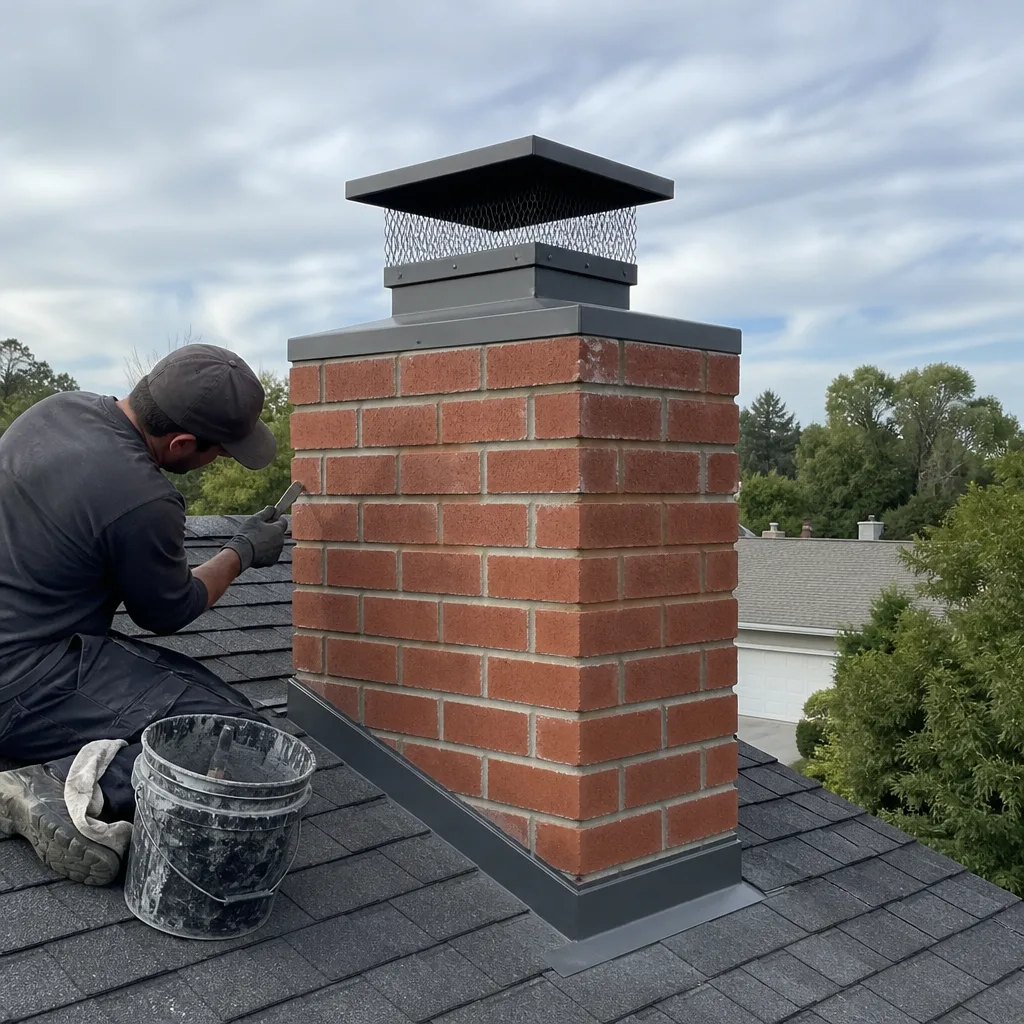
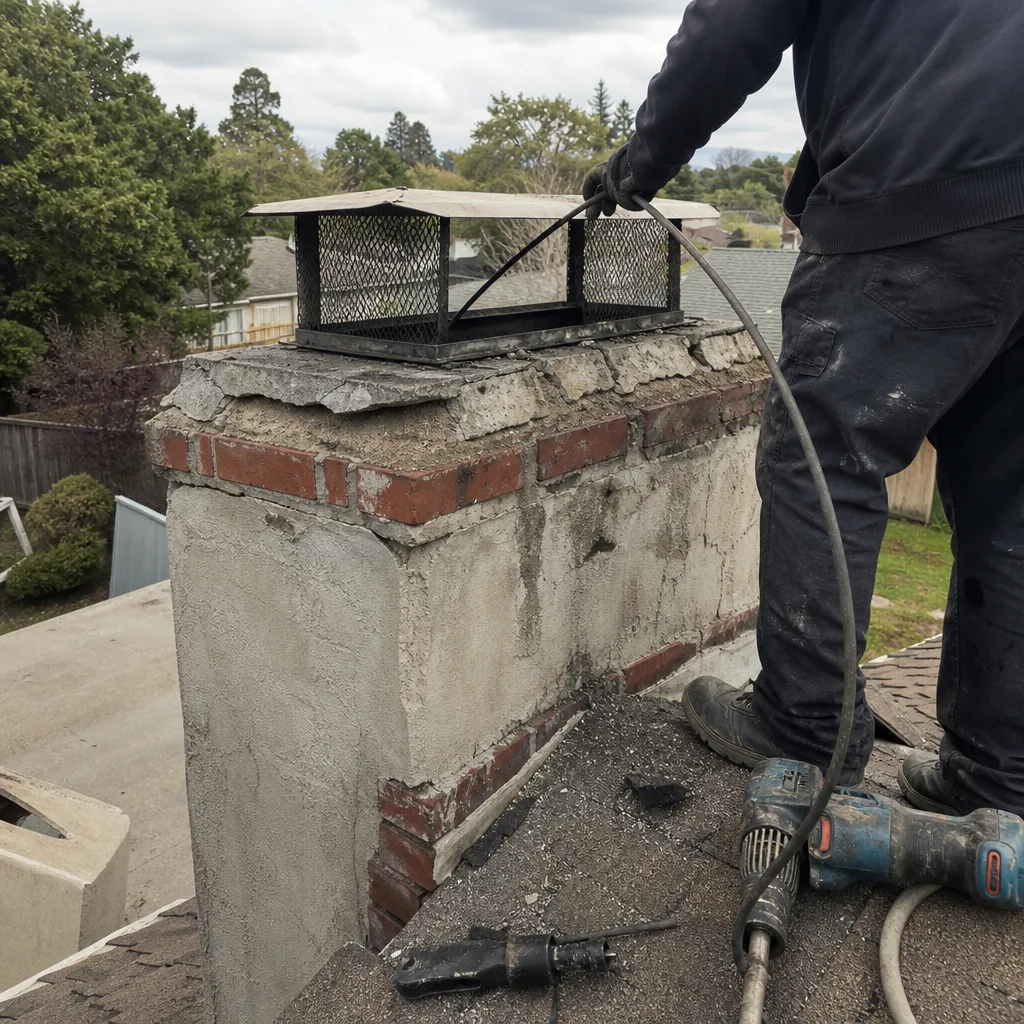
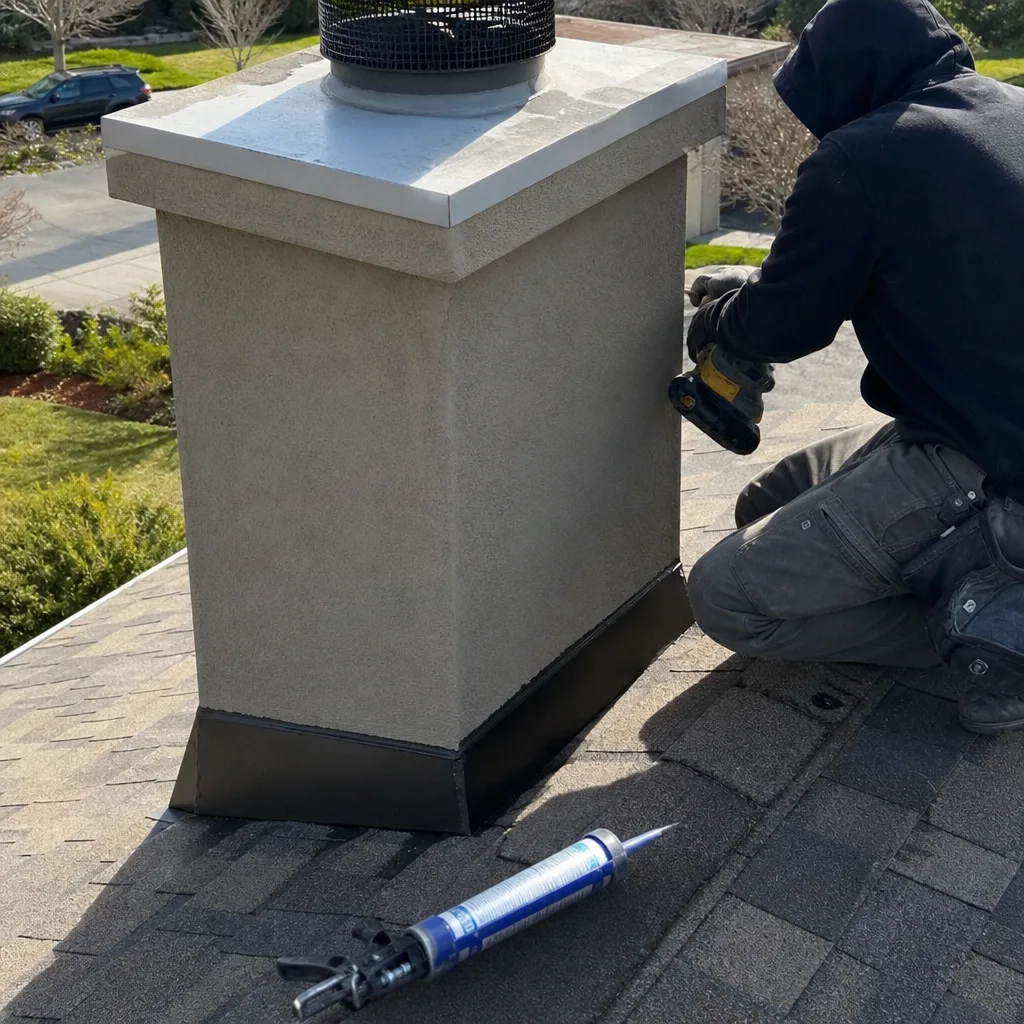
See the difference
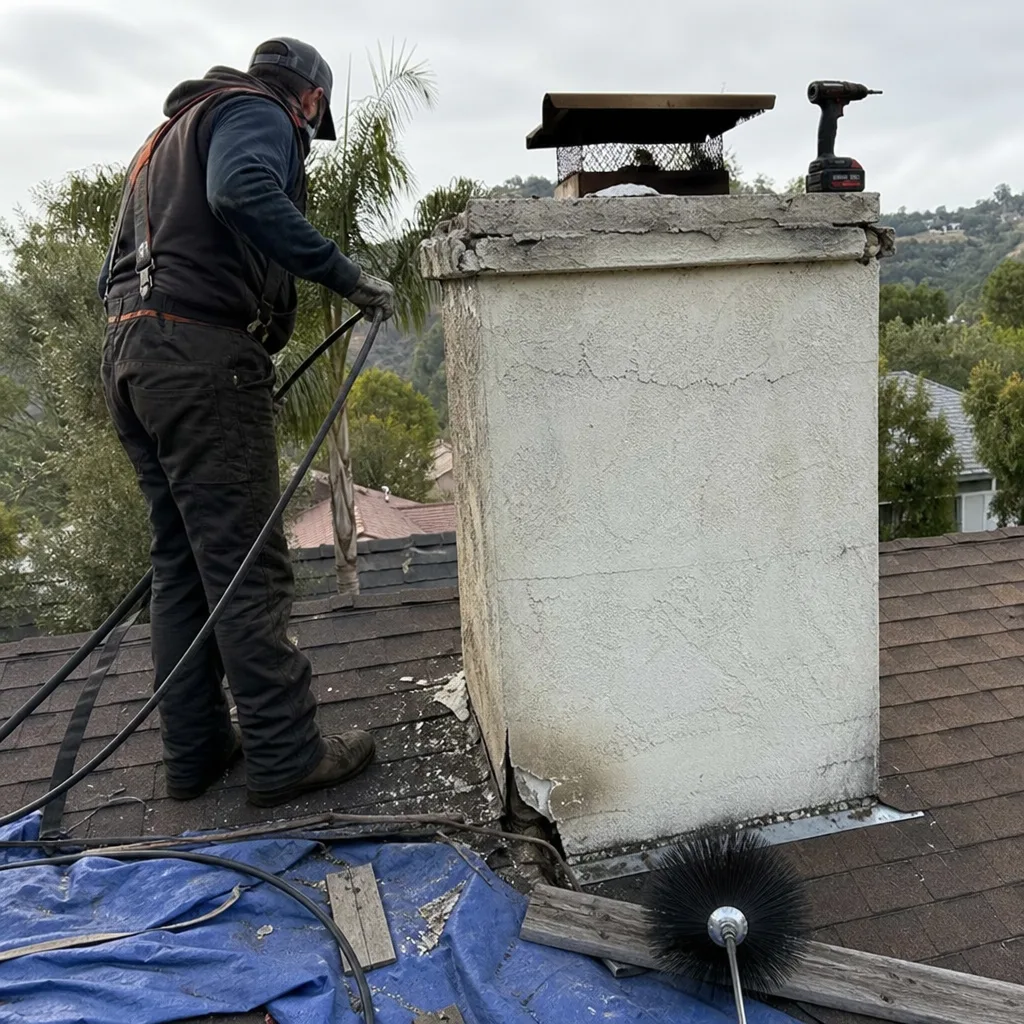 Before
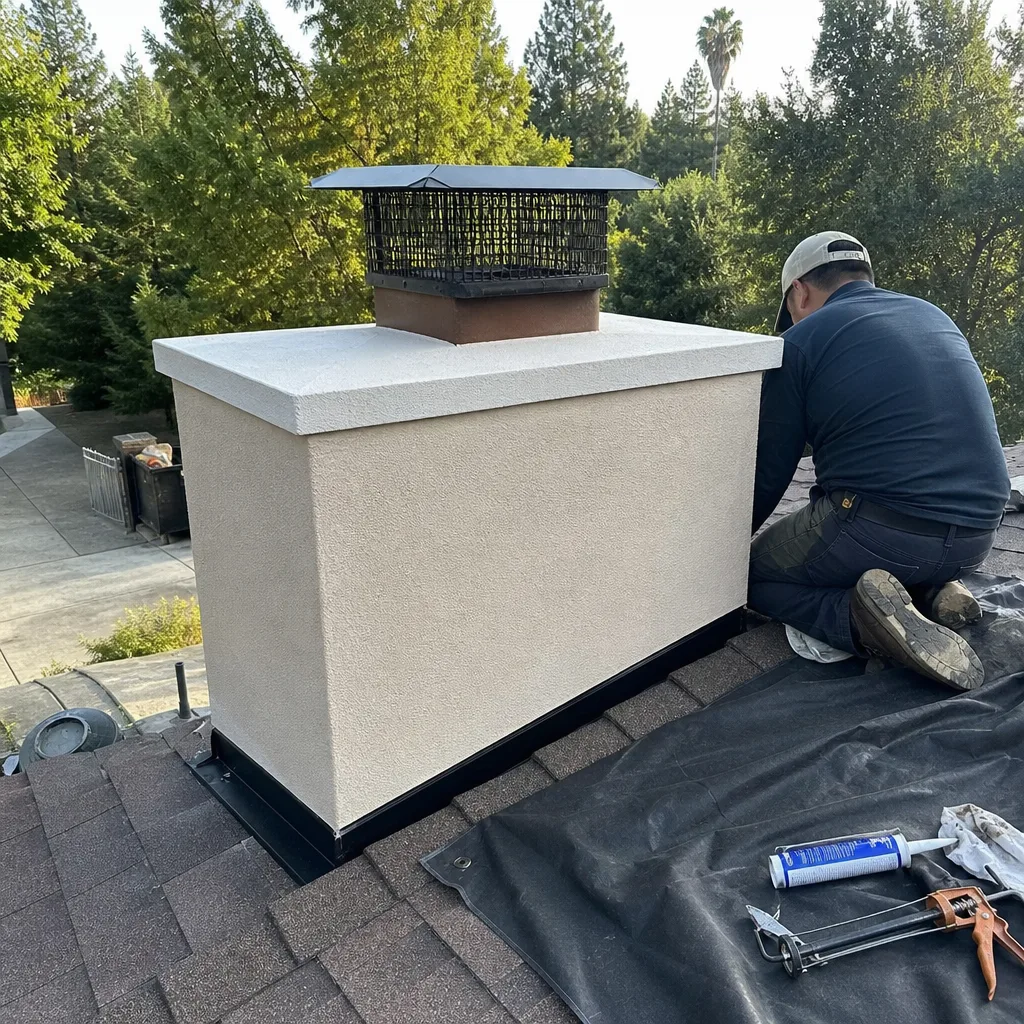 After
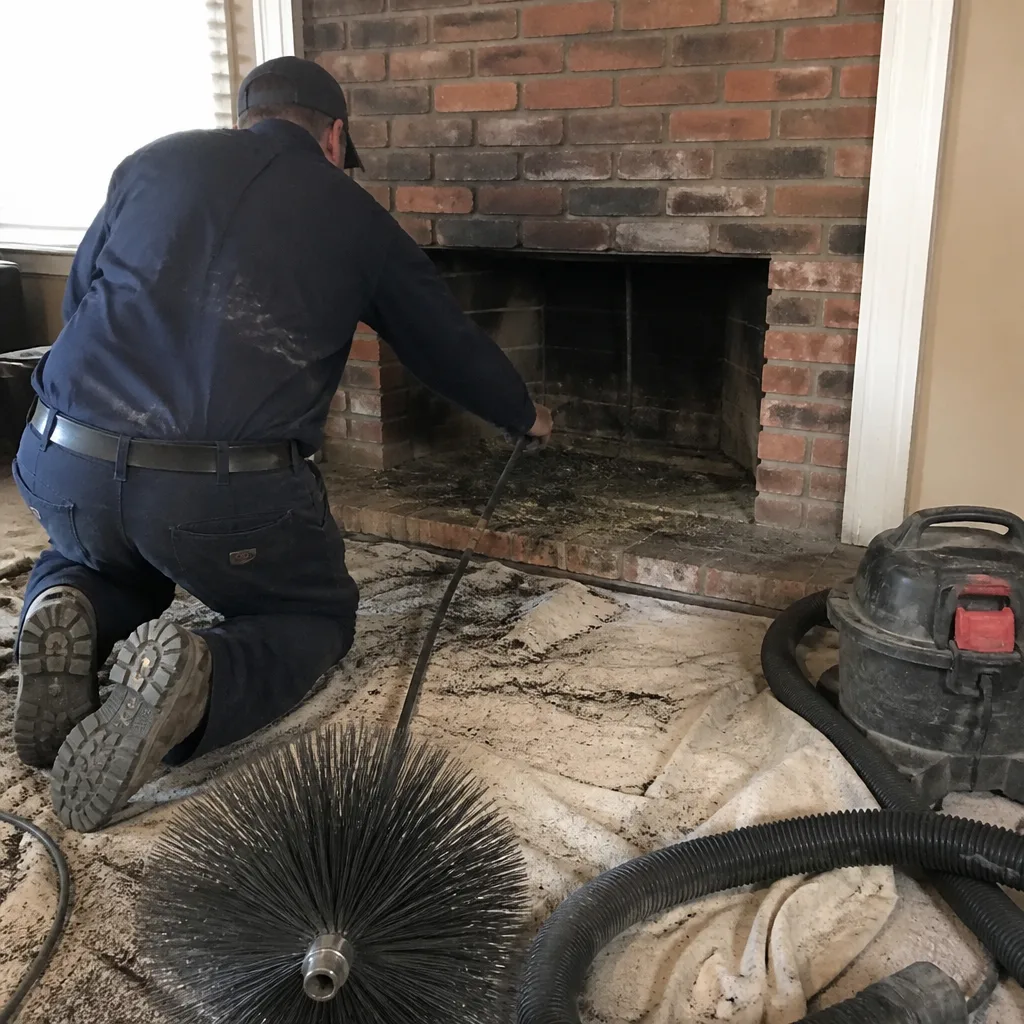 Before
 After
 Before
 After
When to Call a Professional
Call a chimney professional if you haven’t had a sweep and camera inspection in the last two years. Call sooner if you notice smoke backing up into the room, a persistent odor from the fireplace even when it’s not in use, visible rust or staining on the chimney exterior, or chunks of flue tile at the bottom of the firebox. If you just bought a home in Vermont Vista and the seller can’t produce recent chimney documentation, schedule an inspection before your first fire. If your dryer is taking longer than 45 minutes to dry a normal load, the vent is restricted and needs attention now, not next year. Chimney Sweep Vermont Vista offers free estimates in Vermont Vista, call (888) 453-5781.
Frequently Asked Questions
A standard chimney sweep and inspection in Vermont Vista typically runs between $150 and $350 depending on flue size, accessibility, and condition. The price reflects the level of inspection, which is why we always include a camera assessment rather than just a brush pass. An exact quote depends on the specifics of your chimney, so call (888) 453-5781 for a free estimate.
At least once per year for a wood-burning fireplace used regularly during the season, and once per year for gas fireplaces per NFPA guidance on annual inspection and cleaning. Pellet stoves may need more frequent attention depending on fuel quality and burn habits. The standard we recommend in Vermont Vista is an annual sweep with camera inspection, even if you only burn occasionally, because the inspection catches problems before they become hazards.
If a contractor recommends a new liner without camera footage showing why, get a second opinion. A liner recommendation should always be backed by visual evidence: cracked flue tiles, gaps between sections, or rust-through in a metal liner. We provide photo documentation of every repair recommendation because a diagnosis without evidence isn’t a diagnosis, it’s an assertion. When we find damage during a sweep, we can fix it, no second appointment needed, no referral to someone else.
Creosote keeps building up, moisture keeps working on the masonry, and small problems become structural ones. In Vermont Vista’s dry climate, built-up creosote in a chimney is kindling waiting for a spark. A chimney fire can crack the liner and spread to the surrounding structure. The repair after a chimney fire is always more expensive than the maintenance that would have prevented it.
You can, but most homeowners don’t have the equipment to do it correctly, and you can’t inspect what you can’t see. A professional sweep includes a camera inspection of the entire flue, which catches problems a brush pass never reveals. If you do attempt it, be aware that chimney work on a steep roof is genuinely dangerous, and proper containment of creosote dust inside the home requires specific equipment. For most Vermont Vista homeowners, the safest and most thorough option is a professional sweep with documented inspection.
Yes. We serve all of Vermont Vista and the surrounding South LA area, including the residential blocks off Vermont Avenue and the postwar bungalow neighborhoods throughout the community. Chimney Sweep in Vermont Vista provides free estimates for all sweep, dryer vent, and repair services. Call (888) 453-5781 to schedule.
Yes, when that brand is a professional-grade product like DuraFlex or Copperfield, because the brand carries a traceable warranty and documented material specifications. An unbranded liner can cost less up front but has no warranty path and unknown material properties. The initial savings typically disappears the first time something fails and you have no recourse. We’ve replaced enough failed no-name liners in Vermont Vista to know the math doesn’t work in the homeowner’s favor.
The Bottom Line
Choosing a chimney cleaning company in Vermont Vista isn’t about the logo on the truck. It’s about the brands on the materials. DuraFlex liners, Copperfield caps, HeatShield resurfacing, and Gelco components are names that signal professional sourcing, verifiable specifications, and warranty validity. A contractor who can name their brands and back them with documentation is a contractor you can hold accountable. A contractor who can’t is betting you won’t ask. So ask. And when you find damage during a sweep, choose a company that can fix it, not one that hands you a referral slip. Call (888) 453-5781 for a free estimate from a Vermont Vista chimney specialist who can show you the proof before you pay for the work.
Written by the team at Chimney Sweep Vermont Vista, serving Vermont Vista since 2017. Browse more guides & resources from our team.