
Last updated November 2, 2026
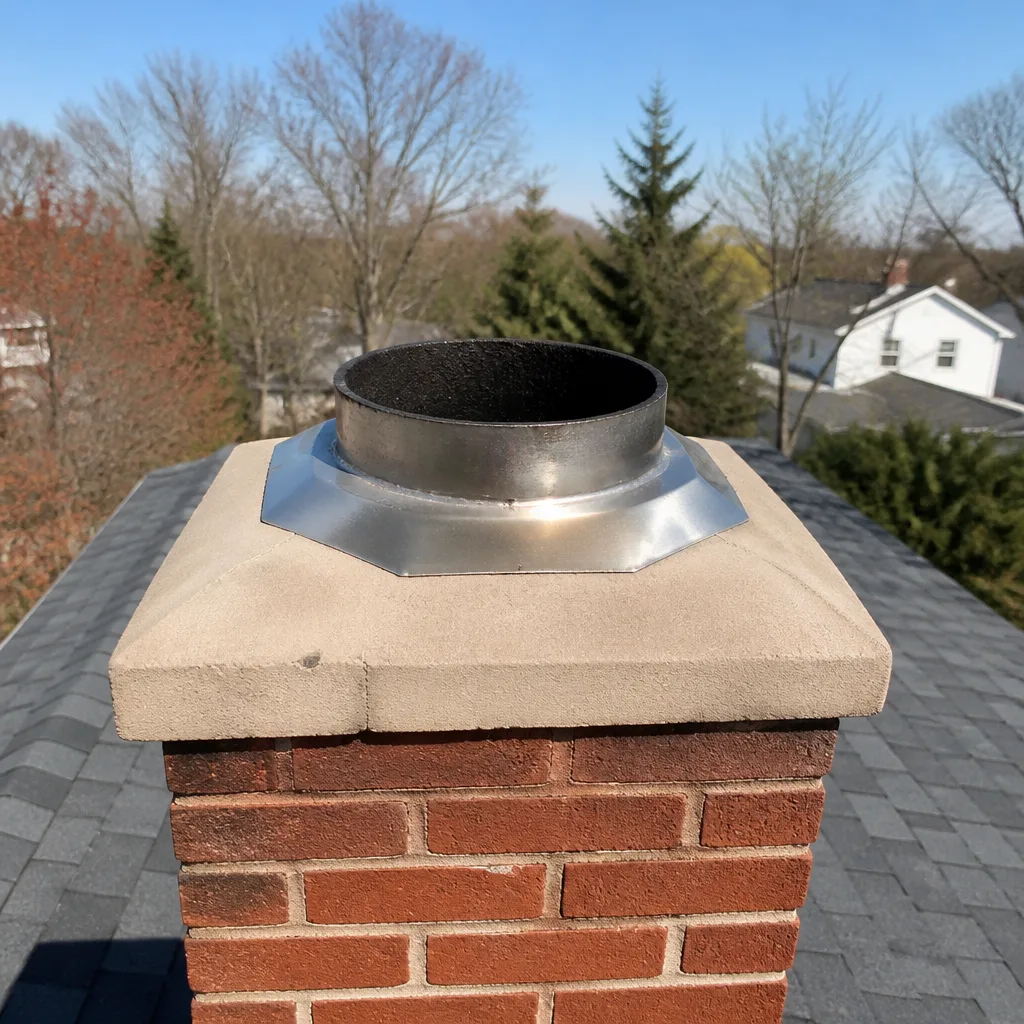 Sweep & inspection
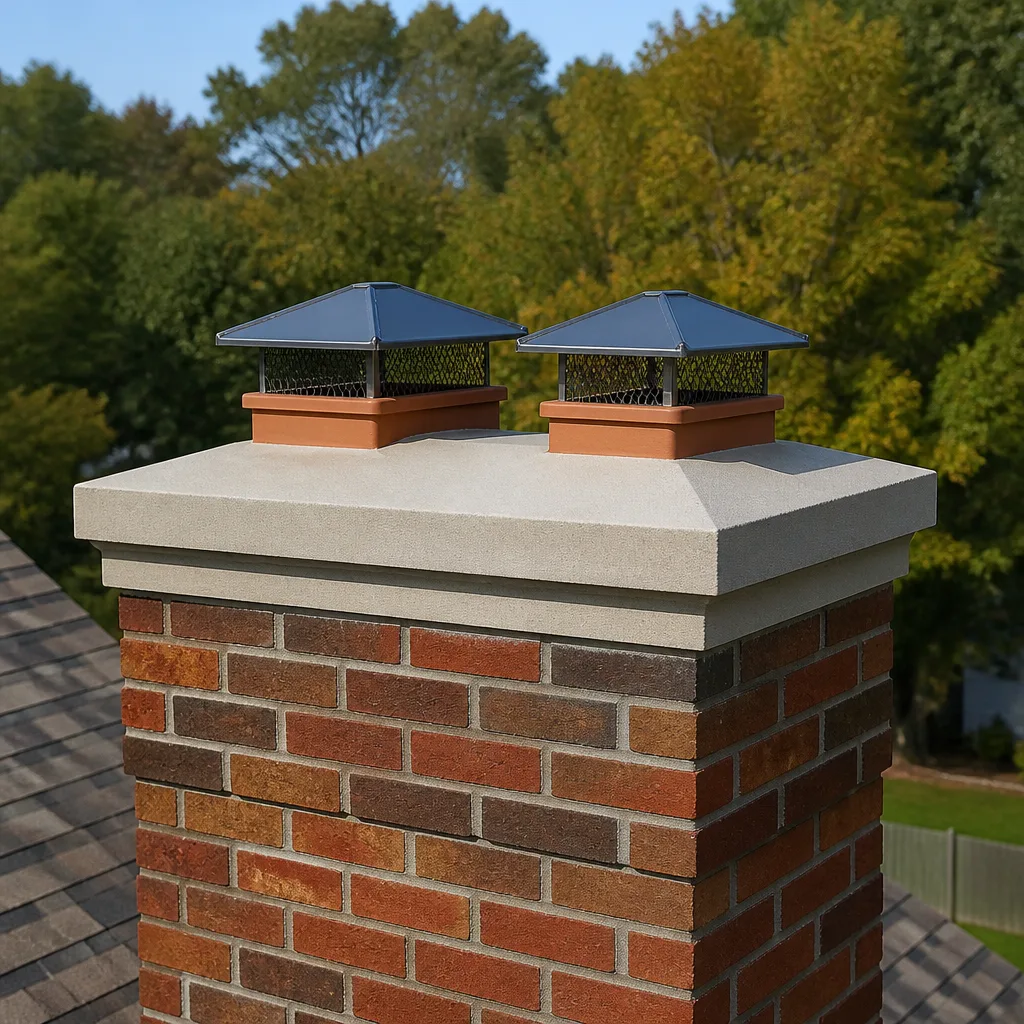 Caps & crowns
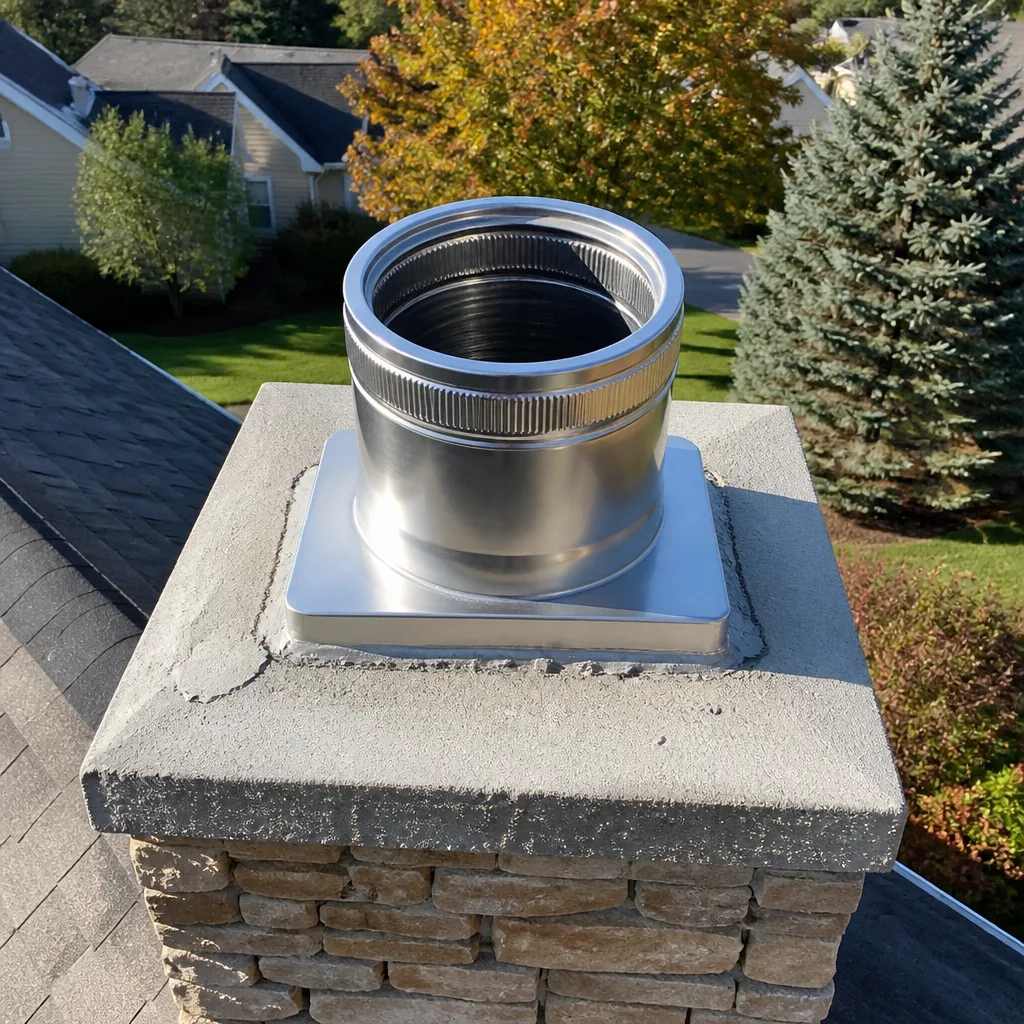 Flue relining
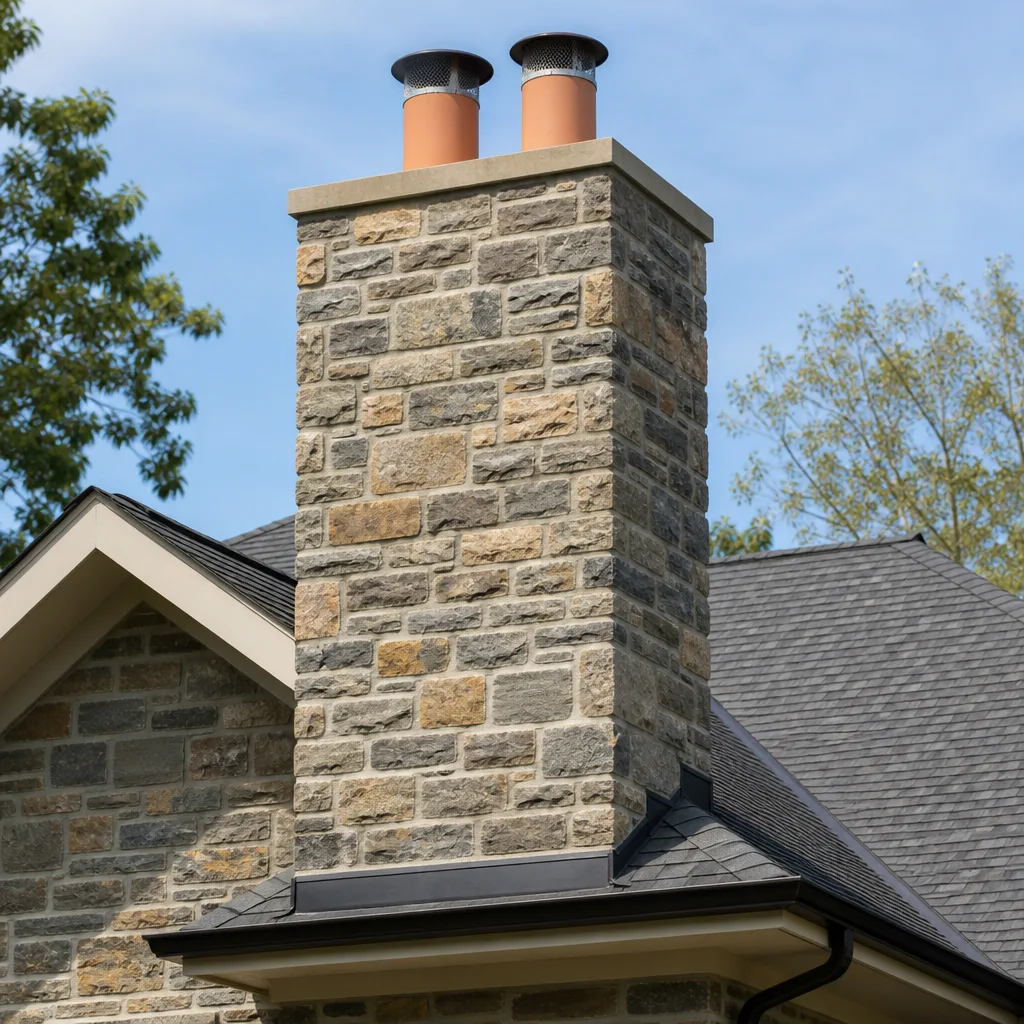 Masonry repair
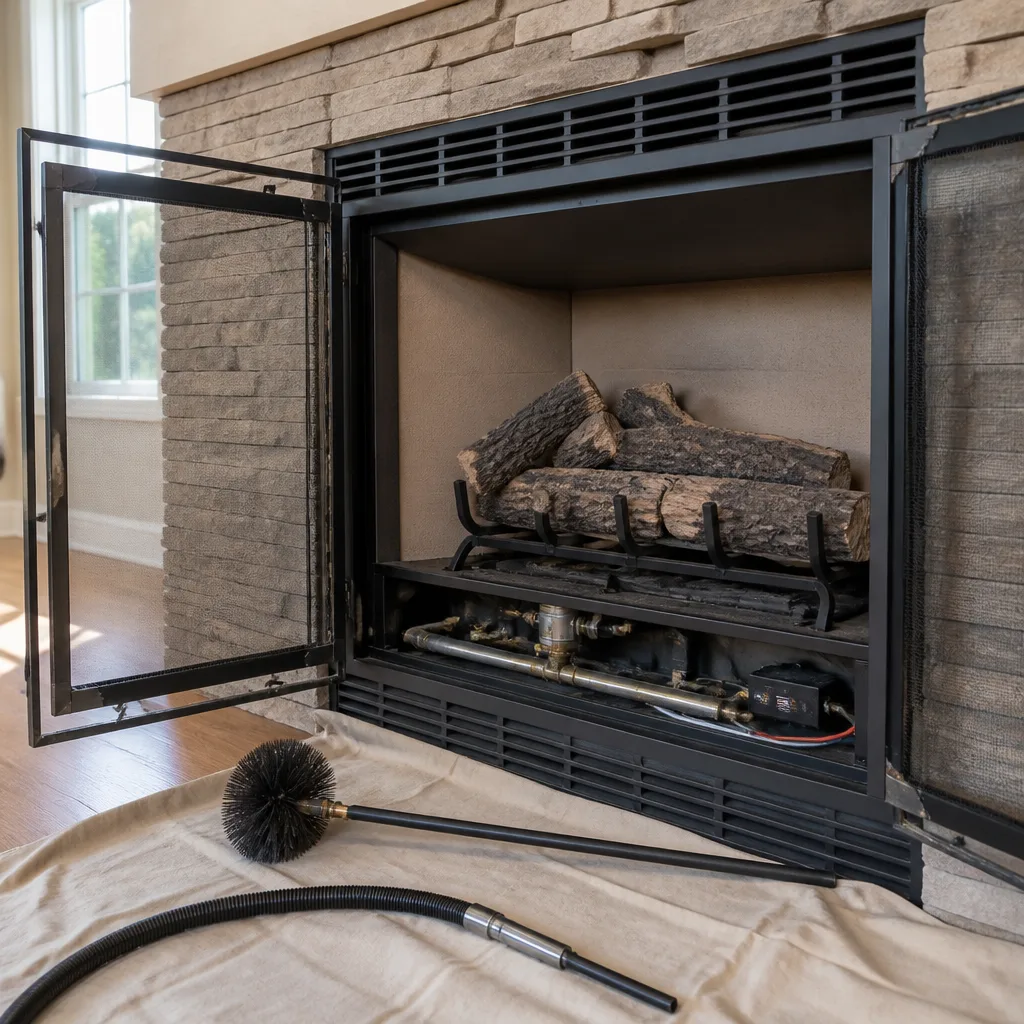 Gas fireplace service
Level 1 sweep and inspection to the NFPA 211 annual standard - flue, crown, cap, and flashing checked and photographed
Chimney sweep logs do not sweep chimneys. They loosen some creosote - which then falls where a brush and vacuum still have to collect it.
DIY vs Professional Chimney Cleaning: The Vermont Vista Homeowner’s Decision Guide
Most chimney fires in Vermont Vista don’t start because the homeowner did nothing. They start because the homeowner did something: ran a brush up the flue, saw some black dust fall, and assumed the chimney was clean. The brush you buy at the hardware store will knock loose the fluffy Stage 1 creosote. It will not remove the tar-like Stage 3 glaze, and it will not tell you that your terra cotta liner has a hairline crack behind the smoke shelf. This guide walks through exactly where the line sits between what a careful homeowner can responsibly handle in Vermont Vista and what requires professional tools, training, and documentation.
Styles & brands we work with
- Sweep & inspection
- Caps & crowns
- Flue relining
- Masonry repair
- Gas fireplace service
Quick Answer
DIY chimney cleaning is genuinely adequate for surface-level maintenance: removing firebox ash, doing a visual cap check from the ground, and inspecting exterior brick. It is not adequate for anything inside the flue itself. Flue cleaning requires specialized brushes sized to your exact liner dimensions, a way to safely access the roof on Vermont Vista’s varied rooflines, and most importantly, the trained judgment to recognize Stage 2 versus Stage 3 creosote, liner damage, or improper draft. The flue is the dividing line. Above it and around it, a competent DIYer can help. Inside it, hire a specialist.
Table of Contents
- What You Can Safely Do Yourself
- The Flue Line: Why the Interior Changes Everything
- Understanding Creosote Stages and What They Mean for Your Home
- The Real Cost of DIY: Equipment, Time, and Risk
- Why Camera Inspection Is the Thing You Cannot Fake
- California Liability: Insurance, Real Estate, and Documentation
- The Hybrid Approach: Extending Service Intervals Safely
- Vermont Vista Specifics: Climate, Rooflines, and Older Homes
- Common Mistakes to Avoid
- When to Call a Professional
- Frequently Asked Questions
- The Bottom Line
What You Can Safely Do Yourself
There’s a reasonable amount of chimney maintenance that doesn’t require a ladder, doesn’t require touching creosote, and doesn’t require specialist judgment. We encourage Vermont Vista homeowners to handle these tasks between professional visits. They extend the life of your system and they make you a better-informed customer when you do call us. The key is knowing the boundary before you start.
A competent homeowner can safely handle these tasks:
- Firebox ash removal. Wait at least 24 hours after your last fire. Use a metal scoop and a metal bucket with a tight-fitting lid. Store the bucket outside, away from the house, for at least three days before disposing of it. Embers survive in ash longer than most people think, especially with the dense hardwoods common in Vermont Vista woodpiles.
- Ground-level visual inspection of the cap and crown. Binoculars are fine. Look for rust on the cap, cracked or missing mortar on the crown, and any signs that the cap has shifted. You’re checking for obvious problems, not making a diagnosis.
- Exterior masonry inspection. Walk the perimeter of your home and look at the chimney’s brick or block. Spalling (faces of brick popping off) shows as debris on the ground or visible pitting. Vertical cracks wider than a hairline warrant a professional look. In Vermont Vista’s wet winters, water entry through even a small crack cycles through freeze-thaw and widens it each year.
- Checking the damper. If it’s hard to open or close, or if it doesn’t seal fully when closed, note it. A damper that doesn’t seal wastes conditioned air ten months of the year and can let rain in during the wet season.
None of these tasks put you on the roof. None of them put you in contact with creosote. And none of them give you a false sense of security about the actual condition of the flue. That’s the boundary. Everything else, you should think hard about before doing yourself.
The Flue Line: Why the Interior Changes Everything
The inside of a chimney flue is a completely different environment from what you can see from the firebox or the roof. It’s dark. It’s narrow. It’s lined with material you can damage with the wrong tool. And it’s where the fire risk actually lives. We’ve swept hundreds of chimneys in Vermont Vista, and nearly every dangerous condition we’ve found was invisible from the outside.
Here’s what’s actually happening inside your flue. When wood burns, it releases smoke full of unburned particles. As that smoke rises through a cool flue, those particles condense on the liner walls. The residue is creosote. It builds in layers. A quick brush with a hardware-store tool will knock loose the loose, dusty top layer. It will not remove the hardened deposits underneath, and it will not tell you whether the liner itself is cracked, spalling, or improperly sized for your appliance.
The false-security problem is real. A homeowner runs a brush up the flue, sees black flakes fall into the firebox, sweeps them up, and believes the chimney is clean. What they’ve actually done is dislodged Stage 1 creosote while leaving the Stage 2 glazed deposits intact. They’ve made the chimney look maintained while leaving the fire risk essentially unchanged. The worst outcome of DIY flue cleaning is not that it fails to work. The worst outcome is that it works just well enough to convince you that you don’t need a professional, while the real hazard continues to build layer by layer.
There’s also the matter of what you’re actually reaching. A chimney brush pulls straight up and down. It does an adequate job on a straight, unlined, or properly lined run of flue that’s in good condition. It does a poor job where flues offset, where the smoke shelf catches debris, or where there’s a connector pipe with a 90-degree bend. If you have a gas appliance vented into the same flue or a pellet stove pipe, the geometry gets more complicated still. These systems don’t respond well to guesswork. If you’re curious about what’s actually in your flue in Vermont Vista, we inspect and clean it as part of our Chimney Sweep in Vermont Vista service, and we’ll show you what we’re seeing before we remove it.
Understanding Creosote Stages and What They Mean for Your Home
Creosote is not one substance. It forms in three distinct stages, and each one demands a different response. The reason this matters to a homeowner considering DIY cleaning is simple: if you cannot identify which stage you’re looking at, you cannot know whether your cleaning attempt did anything useful.
Stage 1: Dusty soot. A fine, powdery dark coating. This is the easiest to remove. A basic brush handles it. It’s flammable but relatively low-risk. In our experience across Vermont Vista homes, Stage 1 is what you find in chimneys that are swept annually and used properly with seasoned wood.
Stage 2: Glazed flakes. Shiny, hardened, crust-like deposits that form when Stage 1 is heated and re-condensed. This is where most homeowner brushes fail. The flakes resist standard bristle action, and scraping them requires rotary tools with chains or specialized nylon whips. Stage 2 is a genuine fire hazard that accumulates silently, often in chimneys that burn softwood or green wood, or that are used heavily without regular maintenance.
Stage 3: Tar glaze. A thick, sticky, tar-like layer that looks like black glass. This is the most dangerous condition and the most difficult to remove. It requires chemical treatments in addition to mechanical cleaning, and in many cases it’s when we start talking about liner resurfacing options like HeatShield, a ceramic repair system that seals and restores a damaged flue liner. Stage 3 creosote burns at high temperatures and fuels the intense chimney fires that destroy liners and spread into the home’s framing.
The point of understanding the stages is not to turn every homeowner into a chimney inspector. It’s to make clear that “running a brush up there” has wildly different outcomes depending on what’s actually in your flue. And the only way to honestly assess the condition is with eyes on it, a light source, and ideally a camera. If you’re seeing heavy deposits around your damper or the smoke shelf, that’s a clue that what’s further up is likely worse. For a straight answer about what your flue actually needs, call us at (888) 453-5781 and we’ll take a look before we recommend anything.
The Real Cost of DIY: Equipment, Time, and Risk
One of the most common things we hear in Vermont Vista is that hiring a professional feels expensive compared to a $40 brush from the hardware store. The math changes when you look at what a proper DIY job actually requires.
Here’s a realistic equipment list for a homeowner attempting to clean their own flue:
- The right brush for your liner. Brushes are sized to the flue, not universal. A brush that’s too small leaves creosote on the walls. A brush that’s too large gets stuck. Vermont Vista homes vary widely: some have rectangular terra cotta liners, some have round stainless, some have no liner at all. Your brush must match. A proper poly or wire brush sized to your flue: $40 to $100.
- Connecting rods. You need enough rod sections to reach from the roof down the entire length of the flue. A two-story Vermont Vista home with a standard chimney run needs $50 to $120 in rods.
- Safety equipment for roof access. A proper roof ladder, a harness, and a tie-off point are not optional on a sloped roof. Vermont Vista’s late-20th-century homes often have steep pitches that make chimney access genuinely hazardous without proper equipment. This is a few hundred dollars if you don’t already own it.
- A drop cloth and disposal system. Creosote is toxic and sticky. It will ruin carpet. Proper containment and disposal materials: $30 to $50.
- A dust mask rated for creosote. Not a paper mask. Creosote particulates are a respiratory hazard. A proper N95 or better mask: $10 to $20.
- Optional but relevant: a spot camera or inspection mirror. Without it, you’re cleaning blind and you won’t know if you actually got everything. Borescope cameras attached to a phone now run $60 to $150.
Total equipment cost for a one-time homeowner attempt: typically $300 to $500, plus the better part of a Saturday, plus the cost of whatever discovery you cannot make because you don’t know what normal looks like. Meanwhile, a professional sweep in the Vermont Vista area, conducted by someone who has been inside hundreds of flues and who carries the right tools for whatever they find, is a fixed-price service. You’re not buying equipment. You’re buying the certainty that the job was done properly and documented.
There’s another cost aspect worth naming. If you damage your liner with the wrong brush type, or if you dislodge debris that jams in a flue bend and blocks your draft, the repair costs far exceed what a professional sweep would have been. We’ve repaired chimneys in Vermont Vista where a DIY cleaning loosened sections of an already-compromised terra cotta liner, turning a maintenance task into a structural problem. The economics favor the professional not because the brush is expensive, but because the knowledge is.
Why Camera Inspection Is the Thing You Cannot Fake
A professional chimney cleaning from a serious company should include something a hardware-store brush cannot provide: a camera inspection of the flue interior. This is not an upsell. It’s the entire reason the service has value. The camera is what turns chimney cleaning from a cosmetic exercise into a safety assessment.
Here’s what a camera inspection shows us that your brush never will:
- Liner cracks and gaps. A terra cotta liner that has cracked behind the smoke shelf is invisible from both the firebox and the roof. The camera shows it. A cracked liner allows combustion gases and heat to reach the framing of your home, which is how chimney fires spread into the house.
- Creosote in the flue bends and smoke shelf. A brush pulled straight up and down misses the offset sections and the smoke shelf where debris accumulates. The camera shows exactly what’s sitting there.
- Separated flue sections. In an unlined or poorly lined chimney, the mortar joints between terra cotta sections fail over time. The camera shows where sections have separated, creating paths for smoke and carbon monoxide into wall cavities.
- Blockages from animals or debris. Birds, squirrels, and raccoons build nests in unused chimneys. In Vermont Vista, where dry brush and nearby open space support healthy bird populations, cap-free chimneys see regular nest construction. A nest isn’t just a fire hazard; it also blocks draft and can push carbon monoxide back into the living space.
- The actual condition of your stainless liner, if you have one. Stainless liners don’t last forever. They corrode, they deform under repeated heating cycles, and they develop pinholes. The camera shows what your brush can’t.
If you hire a chimney sweep in Vermont Vista and they don’t offer a camera inspection, you’re paying for a brushing, not an assessment. The distinction matters. Most of what can go wrong with a chimney is not visible to the naked eye, even to a trained professional who is looking. The camera is what separates an honest diagnosis from a guess. When we sweep a chimney, we show you the images before we recommend any repair. You should never accept a recommendation for liner work, masonry work, or anything else that you cannot verify with your own eyes. That’s the standard. If a company won’t show you, call someone who will.
California Liability: Insurance, Real Estate, and Documentation
Vermont Vista homeowners face a set of practical considerations that go beyond fire safety. California’s insurance market has tightened considerably in recent years, and documentation of home maintenance plays a real role in both claims and underwriting. A DIY chimney cleaning produces no record. A professional sweep produces a written report with dated documentation and, in our case, photographic evidence of the flue’s condition.
Here’s what that documentation matters for:
Insurance claims. If you have a chimney fire and file a claim, the insurance company will ask when the chimney was last cleaned and maintained. Written proof of professional maintenance strengthens your position. A verbal assertion that you ran a brush up there yourself does not carry the same weight. In some cases, insurers in California have denied claims where homeowners could not demonstrate professional maintenance of wood-burning systems.
Underwriting and policy renewal. Insurers increasingly ask about wood-burning appliance maintenance when writing or renewing policies. In wildfire-prone regions of California, which includes much of the area around Vermont Vista, insurers are scrutinizing any fuel-burning system that sits inside the home’s envelope. Professional documentation answers the underwriting question directly.
Real estate transactions. In a home sale, the buyer’s inspector will flag a chimney that lacks maintenance history. A documented professional sweep before listing removes the objection. It also prevents the classic California closing scenario where a chimney issue discovered in inspection becomes a negotiating lever against the seller. The cost of a professional sweep is a rounding error compared to a $5,000 concession at closing.
Carbon monoxide documentation. If a CO incident occurs, the question of when the flue and venting were last professionally assessed will come up. California homeowners have an obligation to maintain fuel-burning systems safely. A paper trail is the difference between a covered event and a liability problem.
None of this is meant as scare language. It’s the practical reality of owning a home with a combustion appliance in California in 2025. The state’s disclosure requirements, its insurance environment, and its fire-safety regulatory landscape all reward documented professional maintenance. If you’re in Vermont Vista and want a sweep that generates a proper record, our Chimney Sweep Vermont Vista home service includes photography and a full condition report.
The Hybrid Approach: Extending Service Intervals Safely
You don’t have to choose between complete DIY and full professional service. The smartest Vermont Vista homeowners we work with use a hybrid model: they handle the simple, learnable maintenance tasks themselves, and they call us for the flue-level work that requires specialist tools and judgment. Done properly, this approach gets you a safe, efficient chimney without paying for more professional service than you actually need.
Here’s what the hybrid model looks like in practice:
- Handle firebox ash, damper checks, and visual exterior inspections yourself. These are the tasks described in the first section of this guide. They take fifteen minutes and a little attention. Do them monthly during burning season.
- Burn only seasoned hardwood. In Vermont Vista, that means wood that’s been split and stacked for at least six months, ideally twelve. Unseasoned wood produces dramatically more creosote. The single biggest thing you can do to extend your service interval is to stop burning green wood.
- Schedule a professional sweep and inspection before burning season. In the Vermont Vista area, burning season runs roughly November through March, with some shoulder-season fires in October and April. Schedule your professional sweep in September or early October, before the season starts. This is the one professional visit that makes the rest of your maintenance meaningful.
- Run a mid-season visual check. Around January, use your binoculars to look at the cap and crown. Check for heavy creosote buildup at the chimney opening. If anything looks alarming, call for a mid-season assessment rather than waiting.
- Report problems when you spot them. If your damper starts sticking, if you smell smoke in the house when the fire isn’t lit, if you hear animals in the flue, or if you see water staining around the chimney chase, call. Small problems caught early in Vermont Vista’s climate save you from large problems later, because freeze-thaw cycles turn hairline cracks into structural failures.
The hybrid approach works because it respects the actual division of labor. Surface work is learnable. Flue work is not. Keeping that distinction clear means your chimney gets the professional assessment it needs, and you get the satisfaction of maintaining your own fire system without risking your safety or your home.
Vermont Vista Specifics: Climate, Rooflines, and Older Homes
Vermont Vista’s housing stock and climate create particular conditions for chimneys that a generic guide won’t capture. The neighborhood’s older homes, many built between the 1950s and 1980s, were built with masonry chimneys that are now fifty to seventy years old. Terra cotta liners from that era are reaching the end of their functional life in many cases. The mortar in those chimneys, exposed to fifty-plus years of Vermont Vista’s wet winters and hot, dry summers, has been through thousands of freeze-thaw cycles.
What this means in practice: when we sweep older Vermont Vista homes, we’re not just removing creosote. We’re assessing the structural condition of a masonry system that was installed a generation ago and has been subject to Southern California’s particular combination of seasonal moisture and extreme summer heat. In our experience, older homes in Vermont Vista are more likely than newer construction to have degraded mortar joints, cracked crowns, and liners that need repair or resurfacing. Homes built after 2000 with stainless liners have a different set of considerations, but they still require camera assessment to confirm the liner hasn’t been damaged by heat cycling or chimney fires.
The area’s rooflines also matter. Vermont Vista includes a mix of single-story ranch homes and two-story builds, with the higher elevation areas giving way to steeper roof pitches. Chimney access on a steep two-story roofline is not a job for a ladder from the hardware store and a confident spirit. It’s a job for someone who does roof access regularly and who carries proper safety equipment. If you’re considering DIY purely because access looks manageable, take an honest look at the pitch. A fall from a roof is a life-altering event, and no amount of money saved on a chimney sweep is worth it.
For the wood-burning appliances common in Vermont Vista, the outdoor air conditions matter too. The area’s dry summers and Santa Ana-influenced wind patterns mean that chimneys sit dry for half the year and then take on water during the rainy season. This seasonal cycling is hard on masonry. It’s also why the exterior masonry checks described earlier in this guide matter: cracks that let water in during November become spalling brick by March. If you’re in Vermont Vista and haven’t had your chimney inspected in recent years, start with the professional assessment. Your older chimney, in this climate, deserves it.
Common Mistakes to Avoid
- Running a brush up the flue and calling it done. This is the cardinal error. Without camera inspection, you have cleaned the easy, visible layer and left the actual hazard undisturbed. In Vermont Vista’s older chimneys, where liner cracks are common, this creates a false sense of security that is more dangerous than doing nothing.
- Buying the wrong brush size for your flue. A brush that’s too small polishes the creosote rather than removing it. A brush that’s too large gets stuck, and getting a stuck brush out of a flue can require dismantling the chimney from the roof. Vermont Vista homes have widely varying flue dimensions; there is no universal size.
- Cleaning from the roof without proper safety equipment. A sloped Vermont Vista roofline in the morning dew is a genuinely dangerous place to be. Professional sweeps use roof ladders, harnesses, and tie-offs. A fall is not worth the cost of a sweep.
- Disposing of ashes in a paper bag or plastic bucket. Embers survive in ash for days. Use a metal bucket with a lid, store it outside away from the house, and wait at least 72 hours before disposal. Every year, house fires start from ashes that were “cold.”
- Ignoring the dryer vent while obsessing over the chimney. Dryer vents carry the same fundamental risk as chimneys: blocked airflow plus heat. Lint is as flammable as creosote. In Vermont Vista, where many homes have long or convoluted dryer vent runs, professional Dryer Vent Cleaning in Vermont Vista is not a luxury; it’s a necessary part of whole-house combustion safety.
- Assuming a gas chimney needs no cleaning. Gas appliances produce less visible residue, which makes it easy to assume the flue is fine. Corrosion, animal intrusion, and degradation of the liner happen regardless of fuel type. Gas flues need inspection too.
- Postponing a professional sweep after a chimney fire. If you’ve had a chimney fire, even a small one, the flue needs professional assessment before the next fire. Chimney fires crack terra cotta liners. A cracked liner is an open path for the next fire to reach your framing. This is not a situation where a DIY visual check is sufficient.
When to Call a Professional
Call a professional chimney company when any of the following applies. You see heavy, shiny black deposits around your damper or firebox opening. You smell smoke or creosote in the house when no fire is burning. You hear animal sounds from the chimney. You see water staining or efflorescence on the chimney’s exterior masonry. You’re planning to sell your Vermont Vista home and need a documented maintenance history. You’ve had a chimney fire and haven’t had the flue assessed since. You have gas or pellet appliances vented into the flue and no record of inspection. You want an honest assessment of whether your liner is safe, and you want to see the camera images for yourself. Chimney Sweep Vermont Vista offers free estimates in Vermont Vista, call (888) 453-5781 to schedule a sweep, a camera inspection, or a Chimney Repair in Vermont Vista assessment.
Frequently Asked Questions
A professional chimney sweep in the Vermont Vista area typically runs from $180 to $340 for a standard single-flue cleaning with inspection, depending on the height of the chimney, the severity of creosote buildup, and whether the flue has offsets or unusual geometry. Chimney Sweep Vermont Vista offers free estimates. Call (888) 453-5781 for an exact quote in Vermont Vista before you book.
You can remove loose Stage 1 creosote with a hardware-store brush if you have the right flue diameter, safe roof access, and proper safety equipment. You cannot remove Stage 2 or Stage 3 creosote, and you cannot assess liner condition. The brush will make the chimney look cleaner while leaving the actual fire risk largely unchanged.
The NFPA guideline is to clean a wood-burning chimney when creosote reaches 1/8 inch of buildup, which for most Vermont Vista homeowners translates to annual cleaning before burning season. Homes that burn green wood or burn daily through the winter may need a mid-season check. Homes that burn very occasionally may safely go eighteen to twenty-four months with a camera verification.
Creosote continues building. Depending on the stage, it either ignites in a chimney fire or it restricts draft and forces carbon monoxide back into the home. Chimney fires can be contained flue events or they can spread into the home’s structure through a cracked liner. Carbon monoxide exposure is silent and cumulative. The risk is not theoretical; blocked flues and dirty chimneys are regular findings in Vermont Vista homes we assess.
Yes, though for different reasons than a wood chimney. Gas flues don’t accumulate creosote, but they do accumulate corrosion, animal nests, and debris that block draft. A blocked gas flue pushes carbon monoxide into the living space. In Vermont Vista, we recommend a professional inspection for gas flues at least every two years, even if the visible buildup is minimal.
A sweep removes creosote and debris from the flue. A camera inspection is the examination, performed after the sweep, that shows what’s actually happening inside the liner. At Chimney Sweep Vermont Vista, the camera inspection is standard with every sweep. We show you the images before we recommend any repair. If a company sweeps without camera inspection, you’re getting half the service.
The Bottom Line
The distinction between DIY chimney cleaning and professional service in Vermont Vista comes down to a simple question: are you working on the surface, or inside the flue? Surface work is learnable. Ash removal, damper checks, exterior brick inspection, ground-level cap checks: these are all tasks a careful homeowner can handle safely and usefully. The flue interior is different. Assessing creosote stage, identifying liner cracks, understanding draft dynamics, and documenting the system’s condition require tools, training, and the judgment that only comes from being inside hundreds of chimneys. The hybrid approach makes sense for most Vermont Vista homeowners: handle the surface work yourself, and call a professional for the flue-level assessment before burning season. For more guides & resources on keeping your chimney safe, explore our blog. That combination keeps you safe, keeps your fireplace working properly, and keeps you out of the false-confidence trap that puts houses at risk. For a free estimate in Vermont Vista, call (888) 453-5781.
Written by the team at Chimney Sweep Vermont Vista, serving Vermont Vista since 2017.
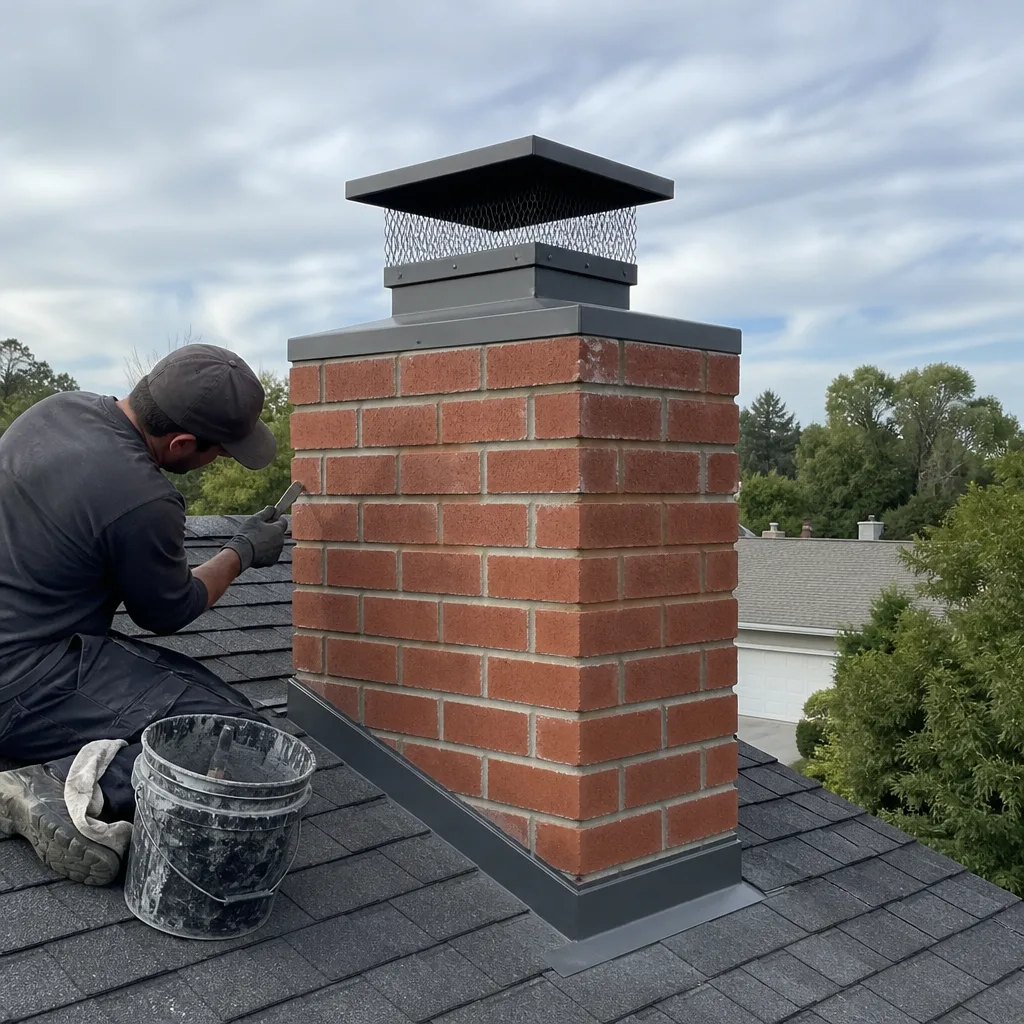
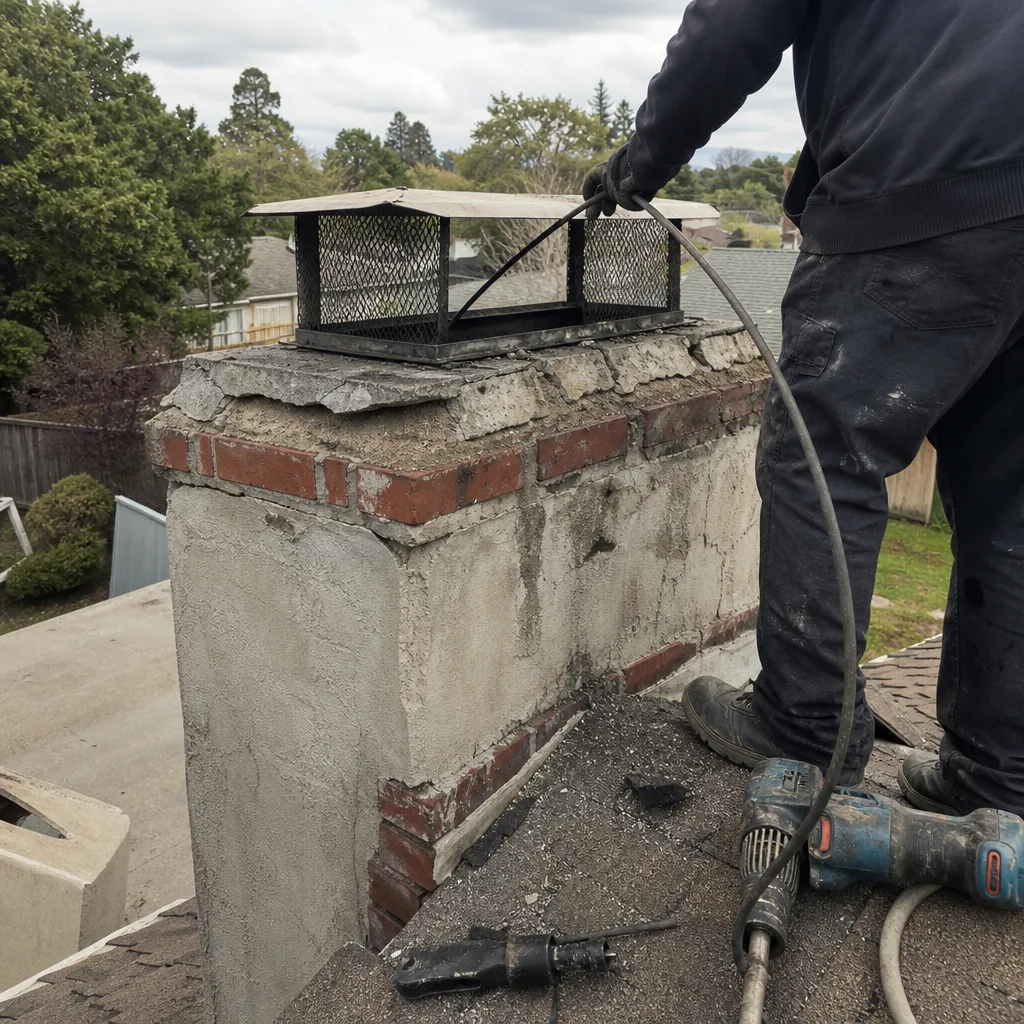
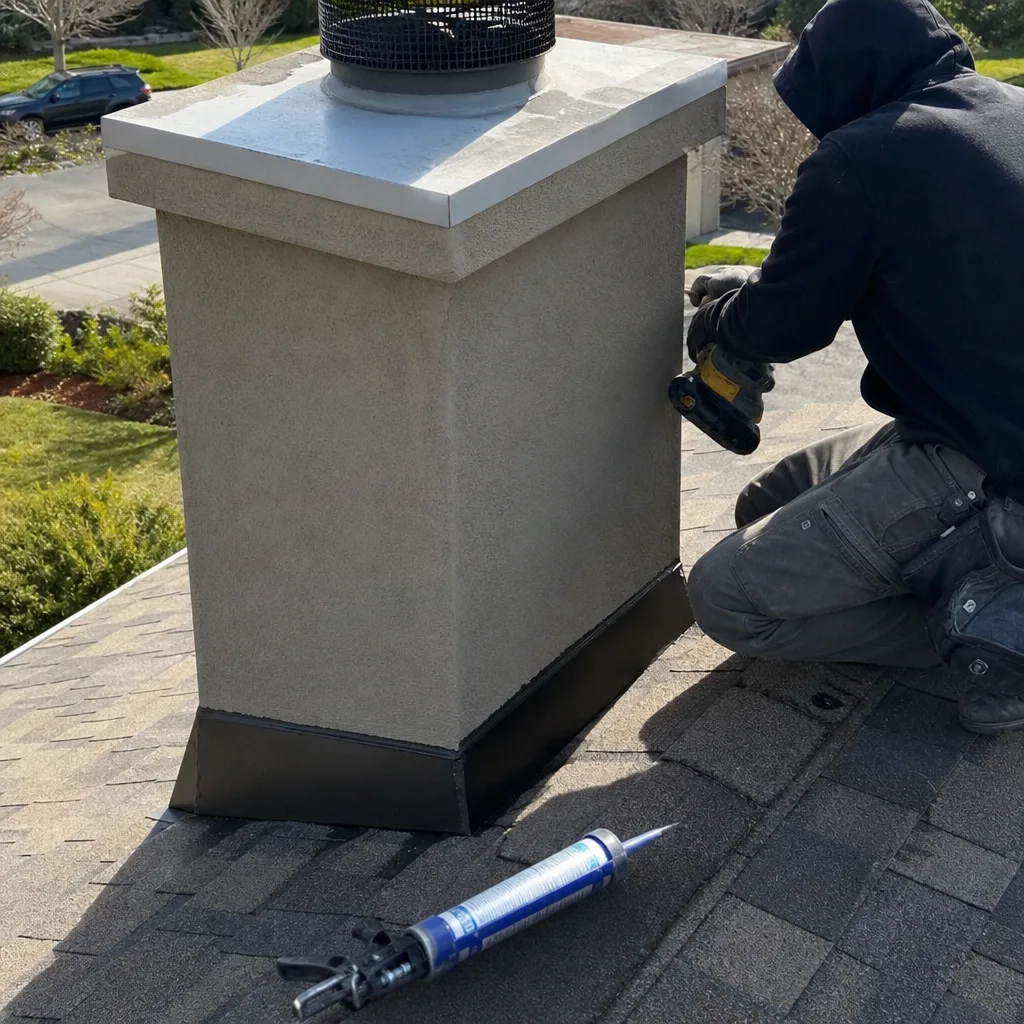
See the difference
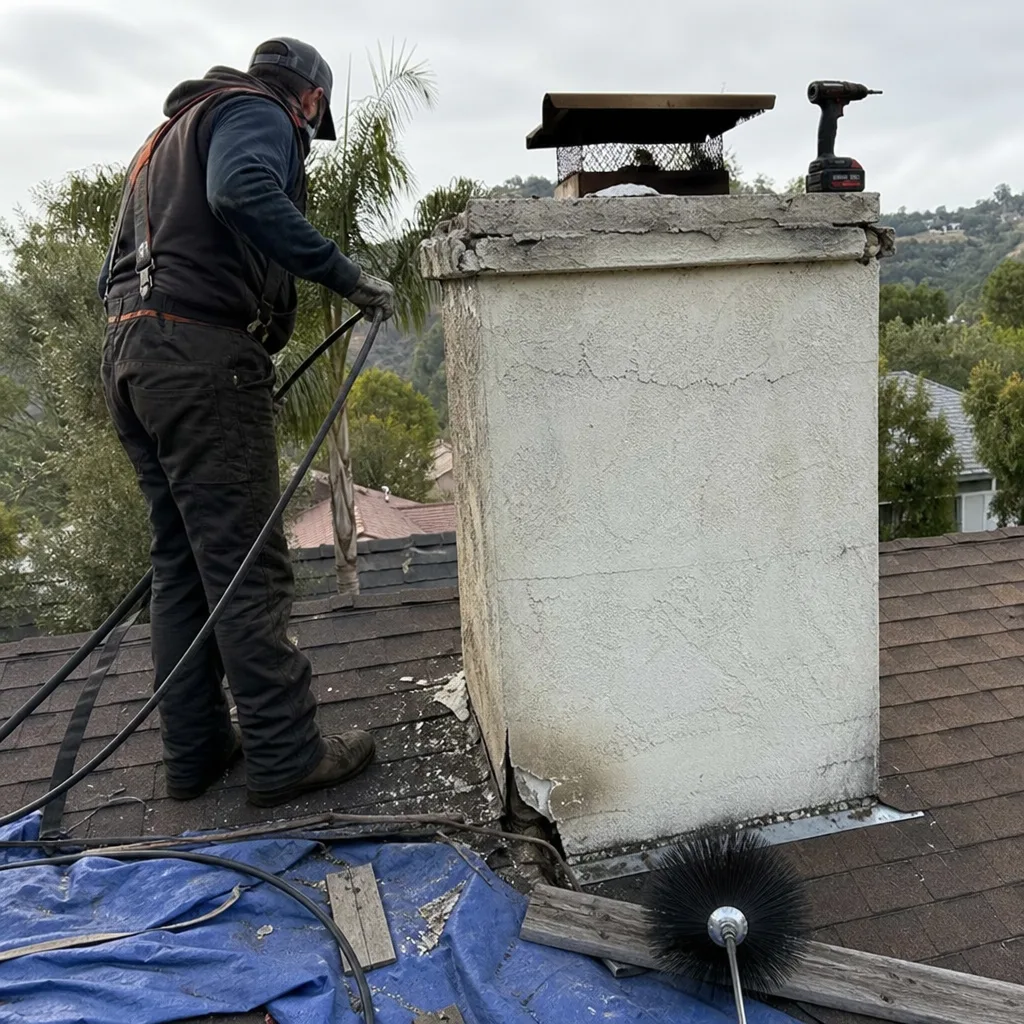 Before
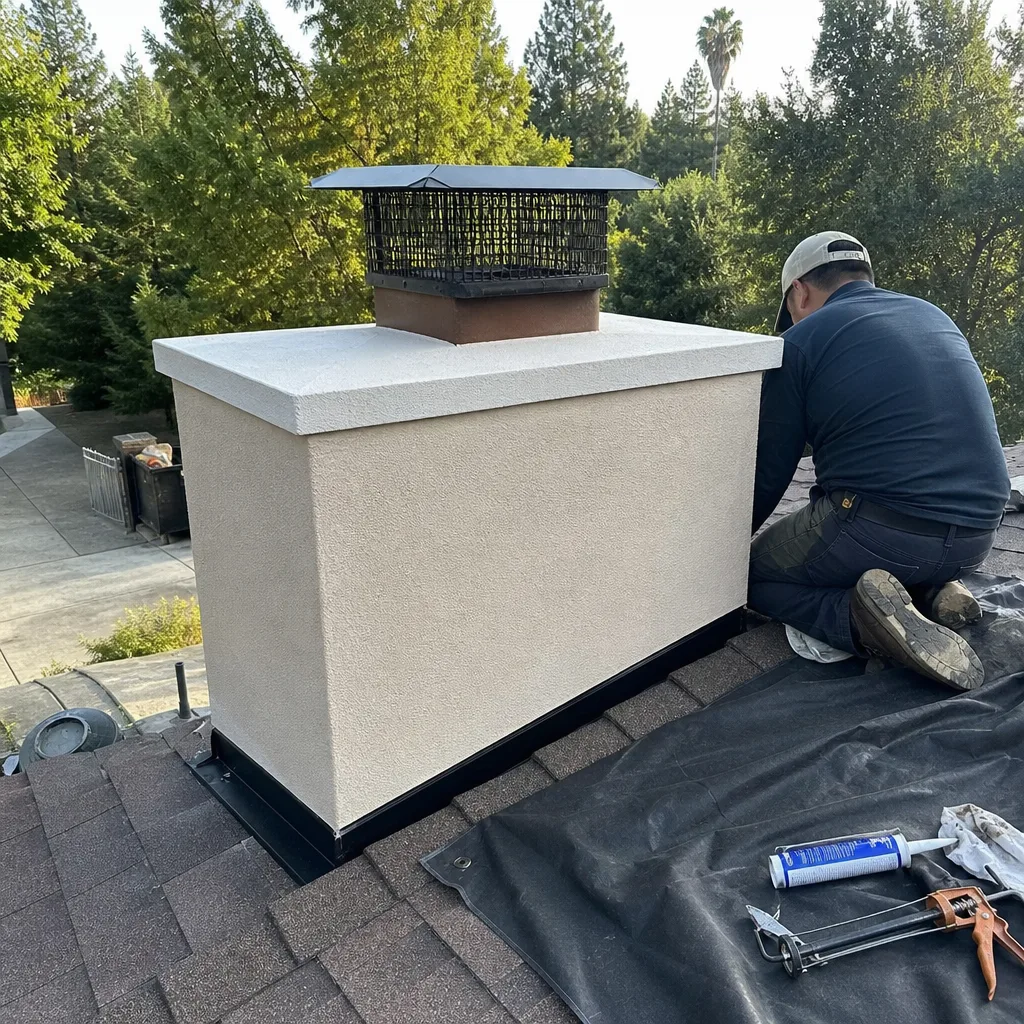 After
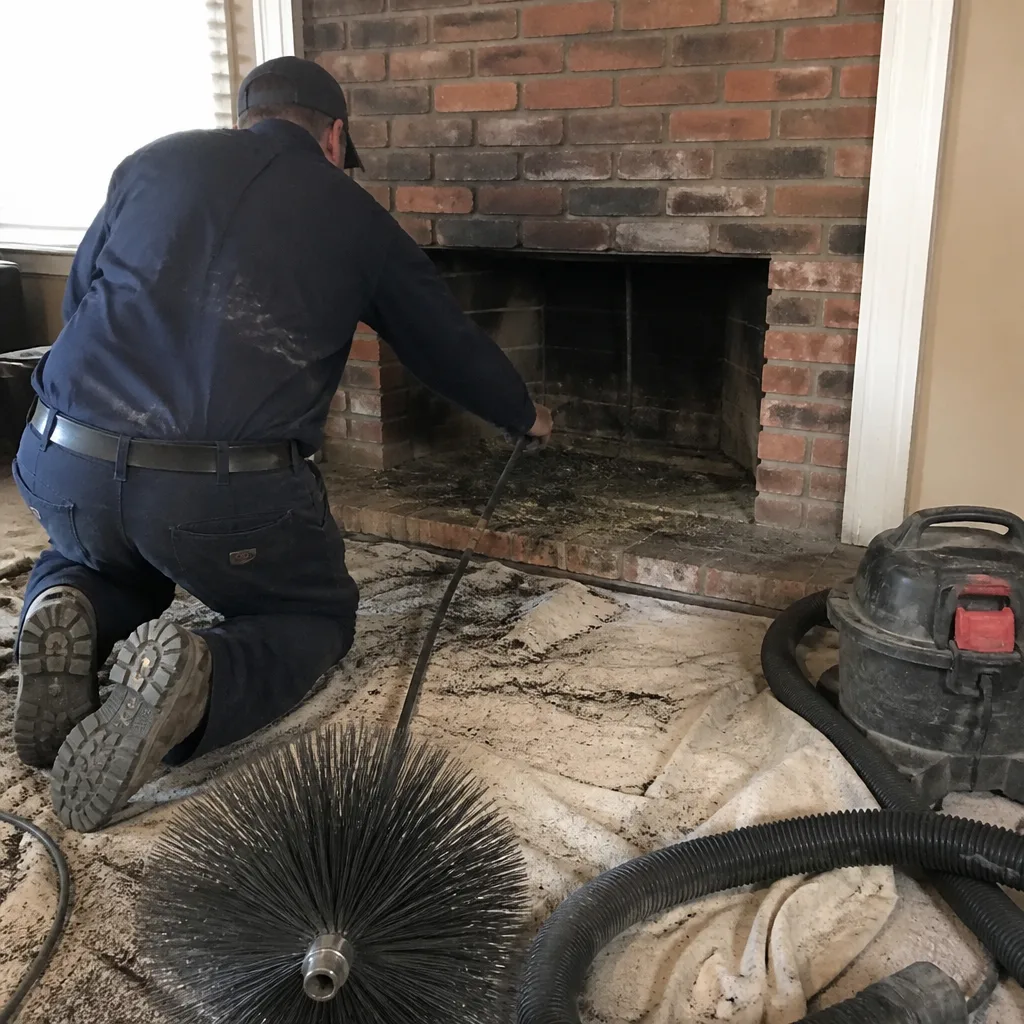 Before
 After
 Before
 After