
Last updated November 2, 2026
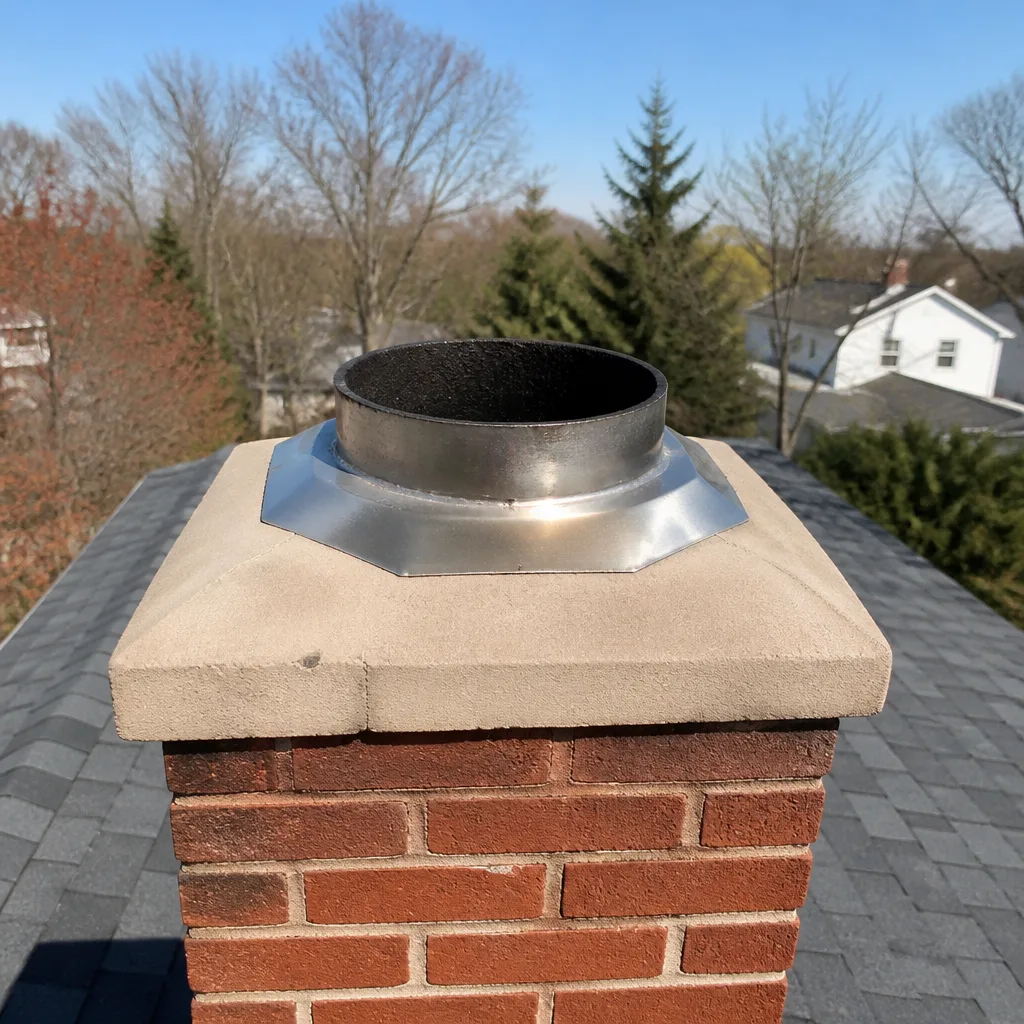 Sweep & inspection
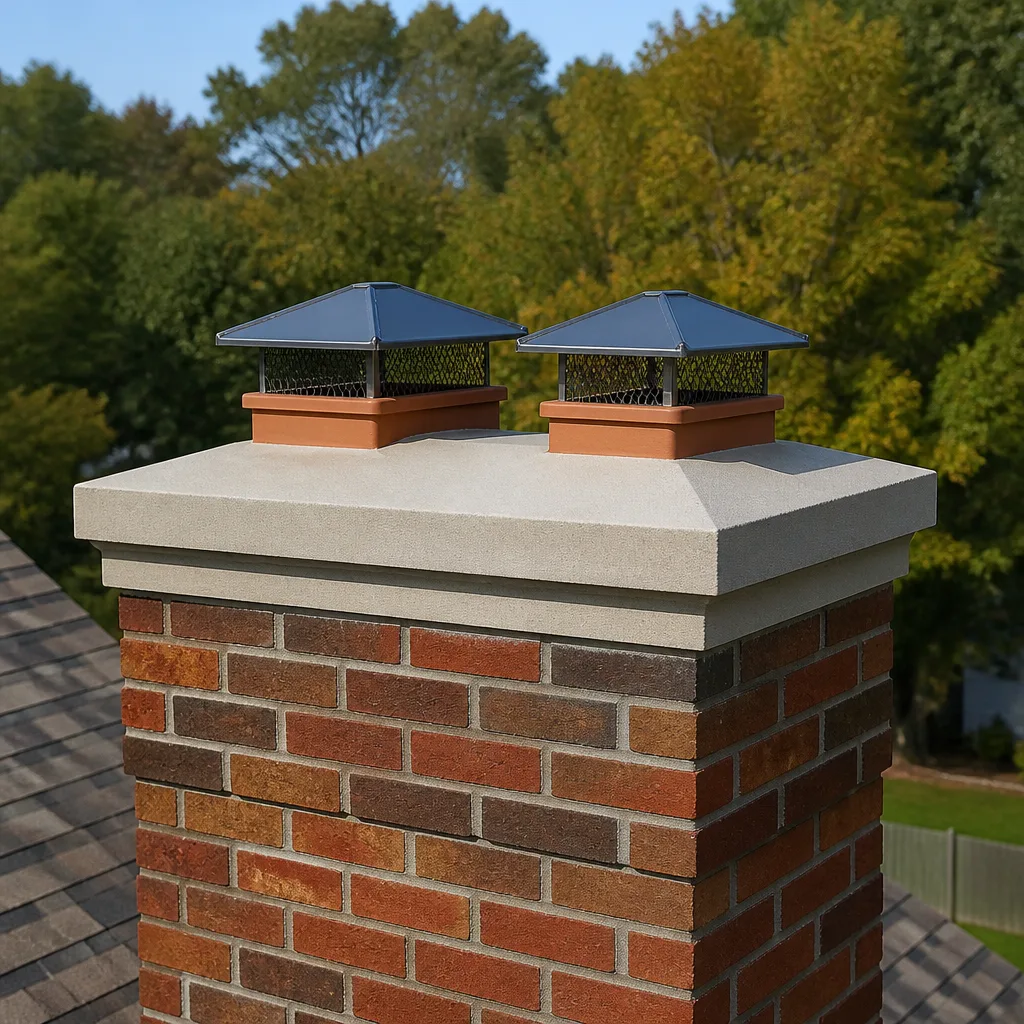 Caps & crowns
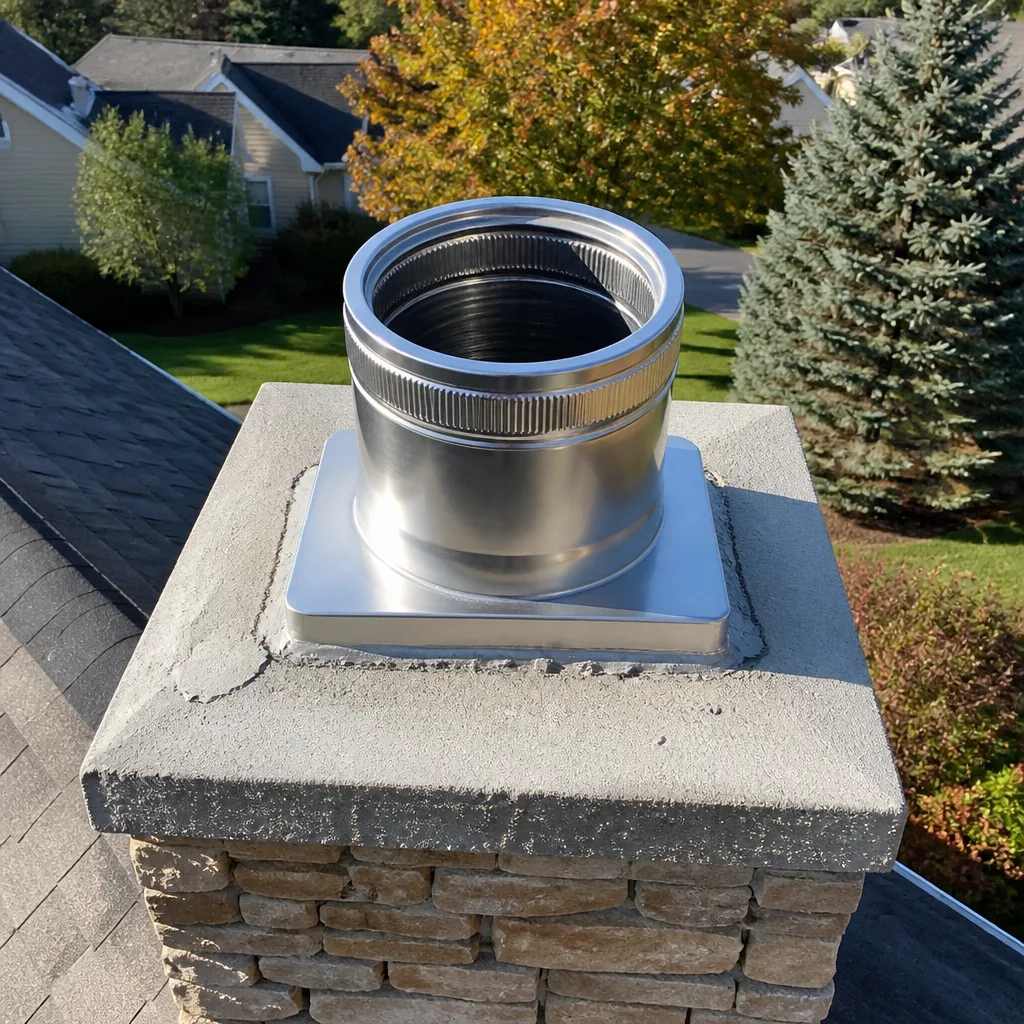 Flue relining
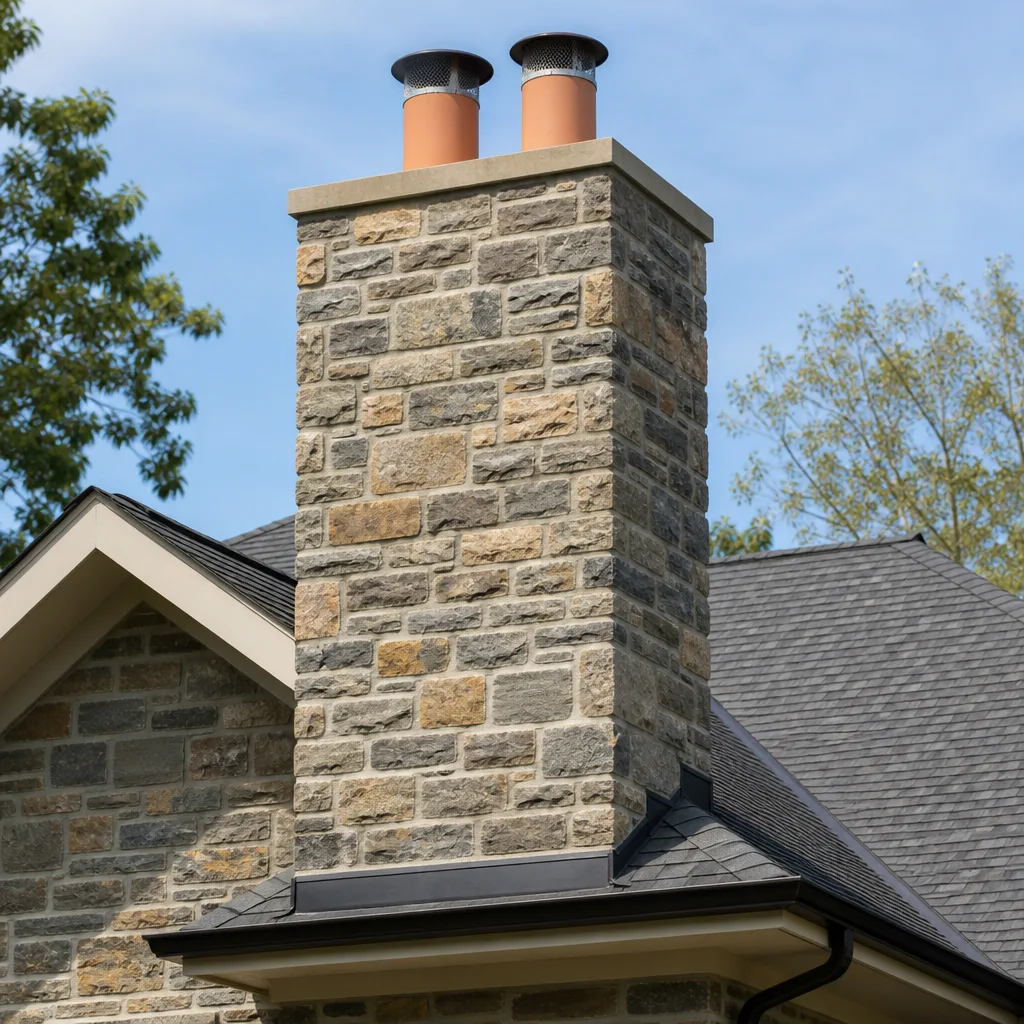 Masonry repair
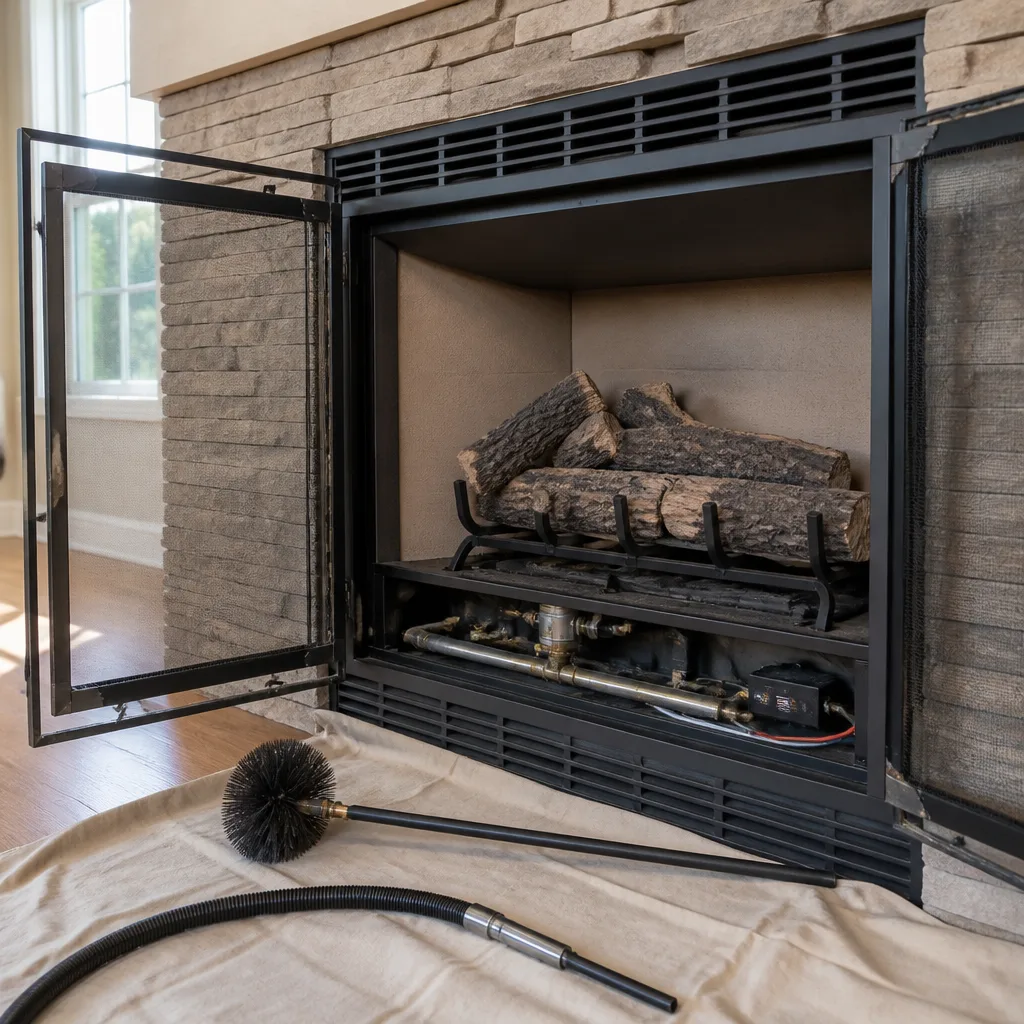 Gas fireplace service
Level 1 sweep and inspection to the NFPA 211 annual standard - flue, crown, cap, and flashing checked and photographed
Chimney sweep logs do not sweep chimneys. They loosen some creosote - which then falls where a brush and vacuum still have to collect it.
Seasonal Chimney Cleaning Care for Vermont Vista: Year-Round Homeowner’s Guide
Most chimney damage in mild-climate homes happens during the eight months the fireplace isn’t being used, not during the burn season itself. That sentence surprises a lot of Vermont Vista homeowners, because the conventional wisdom says exactly one thing: get your chimney swept in the fall, then forget about it. But Vermont Vista’s near-year-round dry climate rewrites that script. This guide walks you through what actually happens to a chimney across all four seasons here, what to check at each transition, and how a two-touch-per-year maintenance schedule keeps you safer than the single annual sweep model most more guides & resources recommend. It’s built for how we actually live in this part of Los Angeles.
Styles & brands we work with
- Sweep & inspection
- Caps & crowns
- Flue relining
- Masonry repair
- Gas fireplace service
Quick Answer
Seasonal chimney care in Vermont Vista works best as a two-part annual schedule: a post-burn inspection and cleaning in spring, and a pre-season safety check in fall, with light visual checks during the dry summer months. The dry, mild climate doesn’t reduce chimney risk; it just shifts the timing. Animal intrusion, debris accumulation, and cap corrosion build up during the off-season, which is why the fall-only model leaves Southern California homes exposed to hazards that start compounding in May.
Table of Contents
- Why the Fall-Only Model Fails in Vermont Vista
- Spring: The Post-Burn Inspection That Matters More Than Pre-Use
- Summer: Animal Intrusion, Debris, and the Off-Season Slow Burn
- Fall: Pre-Season Prep Framed Around California Fire Weather
- Gas vs. Wood: How Different Flue Systems Age Across Seasons
- Vermont Vista Month-by-Month Chimney Reference Calendar
- Signs You Missed Something: What a Compromised Chimney Looks Like in Each Season
- Common Mistakes to Avoid
- When to Call a Professional
- Frequently Asked Questions
- The Bottom Line
Why the Fall-Only Model Fails in Vermont Vista
The single annual sweep model was built for climates with hard freezes, snow loads, and a distinct burning season that starts in October and ends in March. That’s not Vermont Vista. We burn wood and gas through a shorter, milder winter window, sometimes sporadically into spring evenings, and then the fireplace goes quiet for months. In most parts of the country, that quiet period is winter, when cold weather keeps animal activity down and moisture freezes in place. Here, the quiet period is the dry, warm stretch from late spring through early fall. That’s exactly when Southern California’s bird and rodent populations are most active, and when the fine grit and debris that blows through the LA basin settles into exposed flues.
What that means in practice: a chimney swept in October has been silently accumulating problems since the previous April. One cleaning a year resets the clock on creosote, sure, but it doesn’t address the eight months of off-season exposure that happen after burn season ends. In our experience working on chimneys across Vermont Vista, we regularly find that the damage a homeowner thinks happened during the winter actually happened over summer, when no one was looking at the flue at all.
We’ve written more about the local service process on our Chimney Sweep in Vermont Vista page, but the short version is this: a two-touch schedule, one cleaning in spring and one inspection in fall, matches how chimneys actually deteriorate in this climate.
Spring: The Post-Burn Inspection That Matters More Than Pre-Use
Here’s a sentence that might sound backwards: in Vermont Vista, the inspection after burn season matters more than the inspection before it. Here’s why. During burn season, your flue is doing its job. Heat is moving through it, smoke is venting, and creosote deposits are being created, particularly if you burn wood that isn’t fully seasoned or if your fires run cooler than they should. Creosote is the flammable residue that condenses on flue walls, and it’s the primary fuel for chimney fires. The moment burn season ends, that creosote sits. It doesn’t disappear. It hardens, and in porous chimney brick and clay tile, it bonds.
Spring is also when subtle damage from the burn season becomes visible. Hairline cracks in a clay flue liner, a damper that no longer closes fully, or a cap that shifted during winter wind all show up more clearly once the system has cooled and settled. If you only inspect in fall, you’ve given these problems an entire summer to compound.
Spring post-burn checklist
- Schedule a Level 1 sweep and inspection. This is the cleaning that removes accumulated creosote and gives a certified technician a clear look at the flue walls before the dry months set in.
- Check the damper for full closure. A damper that doesn’t close completely lets your conditioned air escape all summer, and it gives pests an easier route in.
- Inspect the cap and crown for cracking. The crown is the concrete slab at the top of the chimney. In Vermont Vista’s dry heat, crown cracks are an annual event, not an occasional one.
- Document anything you notice. If you see discoloration, spalling brick, or a cap that’s leaning, note it now. You’re more likely to remember what you saw than what you think you should look for in October.
Spring is also the right time to handle repair work, not fall. When we find damage during a spring sweep, there’s no rush to complete it before the first cold evening. The chimney has months of downtime, which means slower, more thorough repairs, and better material cure times for products like HeatShield ceramic liner resurfacing. Fall repairs can work, but spring repairs work better in a mild climate.
Summer: Animal Intrusion, Debris, and the Off-Season Slow Burn
Southern California’s summer is when the local bird and rodent populations are at their busiest, and an uncapped or poorly capped chimney is, to them, a ready-made nesting cavity. Starlings, sparrows, and swallows build nests in flues across Vermont Vista every summer. Squirrels and roof rats do the same, and they don’t need much of an opening. A cap with a 1-inch gap is an invitation. Even a properly fitted cap can be dislodged by summer winds or cracked by temperature swings, and once that opening exists, animals find it fast.
The risks go beyond blocked airflow. Bird nesting material is dry, twiggy, and highly flammable. When fall arrives and the fireplace is lit, that nest becomes kindling inside the flue, often above the damper where you can’t see it from the firebox. Rodent intrusions add another layer: droppings, urine-soaked insulation, and in some cases, carcasses, all of which create odors and air-quality issues that worsen over the hot months.
Summer debris is a quieter problem. Fine dust, soot from the LA basin, and wind-driven plant material collect in an open flue over a dry, high-wind season. None of it is individually dangerous, but accumulated over three or four months, it creates a base layer that fall’s creosote deposits bond to, making the next cleaning more involved and more essential.
What to check in summer
- Look at the cap from the ground. Is it straight? Is there any visible gap between the cap and the crown? Binoculars help if you don’t want to climb.
- Listen for unusual noises. Scratching, flapping, or movement sounds from the chimney cavity are signs of an active nest, not just an occasional visitor.
- Check the firebox for debris. Small twigs, feathers, or rodent droppings in the fireplace are evidence that something is getting in from above.
- Smell for dead-animal odor. A lingering, localized odor near the fireplace in summer often means something has died inside the chimney, which is both unpleasant and a health concern.
If you find any of these signs, the fix is usually a cap replacement or a proper cap installation, often using components from Famco or Copperfield, which make caps designed for Southern California’s wind and sun exposure. Our Chimney Repair in Vermont Vista page covers cap and crown work in more detail.
Fall: Pre-Season Prep Framed Around California Fire Weather
In most of the country, fall chimney prep is about being ready for snow and cold. In Vermont Vista, fall prep is about being ready for fire weather. The Santa Ana season starts in September and runs through November, which means dry wind, low humidity, and red flag conditions. A chimney with accumulated creosote, dry nesting material, or a cracked flue liner becomes a genuine ignition source during exactly these conditions.
Here’s what matters in a Vermont Vista fall chimney inspection, in priority order. First, any creosote present needs to go. Creosote is a hydrocarbon, meaning it’s fuel, and it lights at lower temperatures than most homeowners expect. In a wind event, a chimney fire can spread to a roof or surrounding vegetation within minutes. Second, flue liner integrity needs to be checked. A crack in a clay tile liner is an opening through which heat can reach the home’s combustible structure, and that’s the mechanism behind a large share of structure fires that start with fireplaces. Third, the cap and crown need to be intact, because in high wind, a loose cap becomes a projectile and an open flue becomes a wind tunnel that pulls embers upward.
Fall is the right time for the pre-season safety inspection, but it should be an inspection, not a full service call, unless you skipped spring. The spring sweep removed the creosote. The fall check confirms that nothing has changed, that no animals moved in over summer, and that the cap and crown held through the dry season. If you skipped the spring sweep and you’re scheduling a cleaning in October, you’re back to the fall-only model, and the next eight months will likely undo whatever it accomplishes.
For more on what we do during a local visit, our Chimney Sweep Vermont Vista home page covers the full scope of our work across the area.
Gas vs. Wood: How Different Flue Systems Age Across Seasons
Gas fireplaces and gas log sets are common in Vermont Vista homes, and they create a different seasonal picture than wood-burning systems. Gas combustion doesn’t produce creosote, which is a hydrocarbon byproduct of wood burning, but it does produce water vapor and traces of acidic condensate. That moisture interacts with metal flue components, especially thin-walled aluminum liners used in many gas venting systems, and over years, it causes corrosion in ways that look completely different from the creosote buildup homeowners expect to see in wood flues.
Seasonally, gas flues need less frequent mechanical cleaning than wood flues, because there’s no tar-like residue to scrape. But they still need periodic inspection, because the damage they develop is silent and structural. A corroded gas vent liner can separate at the seams, allowing combustion gases, including carbon monoxide, to leak into wall or attic cavities. That’s a year-round risk, not a burn-season risk.
What to check at each transition with a gas system
- Spring: After the last gas fireplace use, look for white or chalky deposits on visible metal components. That’s corrosion evidence from moisture and time, not a burn issue.
- Summer: Gas flues are smaller than wood flues, and birds can still nest in them. Check for cap integrity, same as with wood systems.
- Fall: Inspect for any gap or separation in visible vent piping. Gas exhaust is pressurized differently than wood smoke draft, and damaged piping leaks carbon monoxide even when the fireplace isn’t actively burning, because it often shares a wall cavity with a water heater or furnace.
- Any season: Install and maintain carbon monoxide detectors on every floor. This is the one recommendation that applies identically in every climate.
Gas systems also age more slowly than wood systems when it comes to visible soot, which means homeowners sometimes assume they don’t need any attention at all. That’s not accurate. A gas flue can be a fire-safety issue, and it’s worth looking at every year, even if it doesn’t need swept every year. If the liner has corroded, a product like DuraFlex’s stainless steel relining system is often the right fix, because it’s built for the moisture profile of gas combustion, unlike a wood-only clay flue.
Vermont Vista Month-by-Month Chimney Reference Calendar
Here’s a practical month-by-month reference built for Vermont Vista’s actual climate, not a generic national template. Use it as a starting point and adjust for your specific home, fuel type, and burn habits.
| Month | Seasonal Context | Action or Check |
|---|---|---|
| January | Peak burn season, occasional rain | Monitor for smoke backing up into the room. Check that the damper opens and closes smoothly. If you notice a stronger-than-usual smell when burning, that’s a draft problem, not just wood choice. |
| February | Burn season tapering, mild days increasing | Keep burning properly seasoned wood. Wet or green wood creates more creosote and is the single biggest variable in how much buildup accumulates by spring. |
| March | Burn season ending, spring transition | Schedule your spring sweep and inspection now. It’s the right time in Vermont Vista, and there’s no weather reason to wait. |
| April | Post-burn, warm and dry | Complete the spring sweep. Check the damper for full closure after the technician leaves. Confirm the cap and crown look intact. |
| May | Dry season starting, animal breeding season | Do a visual check from the ground. Any leaning cap, visible gap, or new rust is worth a call. Nesting activity is starting now. |
| June | Hot, dry, low humidity | Listen for animal noises in the chimney. Check the firebox for debris. If you see twigs or feathers, the cap has failed and something is inside. |
| July | Peak heat, strong sun, dry air | Check the mortar joints on any visible chimney brick from the ground. Spalling or cracking is accelerated by the thermal cycling of hot days and cool nights. |
| August | Hot and dry, Santa Ana signals early | Look for cap movement again. High wind starts early some years. If the cap is loose, have it resecured before fall. |
| September | Santa Ana season begins | If you haven’t scheduled fall inspection, do it now. Wind events are the time when a compromised chimney becomes a fire source. |
| October | Peak wind, red flag warnings common | Complete fall safety inspection. Verify creosote levels, liner integrity, and cap security. This is the pre-burn check, but it’s about wind season, not winter. |
| November | Wind tapering, first colder evenings | First fire of the season should smell like a clean burn, not a smoky, earthy odor. If it doesn’t, something is in the flue that shouldn’t be. |
| December | Burn season, occasional rain | Burn normally and keep an eye on smoke draft. When the fire is going, you should see a clear, open flame and smoke moving upward, not swirling back into the room. |
This calendar is built on the assumption of a wood-burning fireplace. Gas appliance owners can skip the creosote-related steps and focus on the cap, crown, and vent integrity checks instead.
Signs You Missed Something: What a Compromised Chimney Looks Like in Each Season
The previous section covers what to do. This section covers what it looks like when you don’t do it. Each season has its own failure signature in Vermont Vista, and recognizing it early is what separates a simple sweep from a full rebuild.
Spring failure: slow draft and musty smell
A chimney that wasn’t swept after burn season often shows weak draft in the lingering spring evening fires. The firebox fills with smoke, and there’s a stale, acrid smell that doesn’t clear even when the fire is out. That smell is creosote. In spring, it’s a reminder that the off-season is starting with a dirty flue, which means summer animal activity to come.
Summer failure: nesting noise and firebox debris
Midsummer, a compromised cap announces itself with a gentle scratching sound that homeowners sometimes mistake for wall vermin or attic noise. Then twigs and grass appear in the firebox. By July, there’s no ambiguity. An animal is living in the flue, and the cap failed months ago. On a hot August day, the chimney can also carry a distinct odor, either from nesting material or from an animal that didn’t survive. These are not nuisance problems. They’re fire hazards that arrive precisely when nobody is burning.
Fall failure: ember ejection and wind-driven smoke
During Santa Ana wind, a cracked flue liner or missing cap can turn the chimney into a spark source. Embers lift off the fire, get pulled by the negative pressure of the wind over the chimney top, and are ejected through any crack or gap. The firebox draft reverses, pushing smoke back into the house even with the damper open. If any of this happens during a red flag warning, the chimney needs attention before it’s used again, full stop.
Winter failure: visible spalling and interior leaks
During the burn season, a crown that cracked in summer lets rain or dew into the masonry. The thermal cycling from cold night to hot fire causes the trapped moisture to expand and contract, which is how brick spalls, or flakes away in layers. Once spalling starts, it doesn’t stop without repair. You’ll see it as grey or white patches on the chimney outside, or brick chips on the roof or ground below the chimney base.
Common Mistakes to Avoid
- Treating fall-only sweeping as the complete answer. An October sweep leaves eight months of off-season debris, nesting, and cap damage unaccounted for. In Vermont Vista’s climate, the spring cleaning is the one that keeps the off-season from becoming the hazard season.
- Assuming gas fireplaces don’t need chimney care. Gas systems don’t create creosote, but they do create acidic moisture that corrodes metal venting. That corrosion creates carbon monoxide channels, and it doesn’t care what season it is.
- Ignoring the cap. The cap is the single most important protective component of a chimney in a dry, windy region with active bird and rodent populations. A cracked or missing cap isn’t a cosmetic issue. It’s an open invitation.
- Using unseasoned wood during burn season. Wet wood burns cooler and produces more creosote. In a short burn season, a few wet fires can leave deposits that a full spring sweep has to work to remove.
- Waiting for a problem to show up inside the home before checking the chimney. By the time you smell smoke, see debris in the firebox, or hear animals, the chimney has been compromised for weeks or months. Seasonal checks are about finding the problem before it slows the draft or blocks the flue.
- Treating the dryer vent as a separate, irrelevant system. Dryer vents and chimneys share the same risk profile: blocked airflow and heat. A dryer vent that isn’t cleaned is a documented structure-fire cause, and Dryer Vent Cleaning in Vermont Vista is part of the same seasonal discipline as chimney care, not a separate project to be deferred.
When to Call a Professional
Call a professional chimney technician if you see nesting activity or debris in the firebox, smell a persistent odor near the fireplace in any season, notice smoke backing up into the room during normal use, see visible cracking or spalling on the chimney exterior, or if it’s been more than a year since the last sweep and inspection. Any of these conditions means the chimney is no longer doing its job, and in Vermont Vista’s wind season, a marginal chimney can become a fire source quickly. Chimney Sweep Vermont Vista provides chimney sweeping, repair, and dryer vent cleaning across the area, and we’re set up to handle what the inspection finds, using materials and systems built for this climate and compliant with Chimney Cleaning Permits, Codes & Inspections in CA: What You Need to Know. Call (888) 453-5781 for a free estimate. We work with professional-grade product lines including DuraFlex, HeatShield, Gelco, Olympia Chimney, Famco, and Copperfield, because the materials behind a repair determine how long it holds.
Frequently Asked Questions
In Vermont Vista’s dry, mild climate, a spring sweep after burn season and a fall inspection before fire-weather season is the schedule that matches how chimneys actually accumulate problems here. The spring sweep removes creosote and catches off-season damage early. The fall inspection confirms nothing broke over the summer, no animals moved in, and the cap and crown held through the dry, windy stretch.
Chimney sweeping in Vermont Vista typically ranges from $150 to $300 for a standard Level 1 cleaning and inspection, depending on flue size, accessibility, and the amount of creosote present, as detailed in our Chimney Cleaning Cost Breakdown: The Vermont Vista Homeowner’s Reference for 2026. Repairs like cap replacement, crown sealing, or liner work are separate and quoted after inspection. Call (888) 453-5781 for a free estimate, and we’ll give you a number before any work begins.
Gas fireplaces don’t require creosote removal, but they do require periodic vent inspection and cleaning because gas combustion produces acidic moisture that corrodes metal venting over time. In Vermont Vista’s dry summers, that corrosion can worsen as thermal cycling stresses the metal. A gas flue should be checked at least annually for vent integrity, gap separation, and cap condition.
If you skip cleaning for a year in Vermont Vista, you’ve likely accumulated dry nesting material from summer bird activity, a layer of hardened creosote from the previous burn season, and possibly a compromised cap that you haven’t caught yet, as our Chimney Cleaning Emergency Preparedness Guide for Vermont Vista Homes warns. The next fall fire is a gamble with all three of those variables in play, during the exact months when Santa Ana wind makes a chimney fire more dangerous.
A cracked or missing chimney cap matters more in Vermont Vista than in many other climates because the local bird and rodent populations are active through the warm months, and the cap is the only barrier between them and your flue. Once a cap fails, animals will find it. The resulting nest is flammable, blocks airflow, and can take an hour or more to remove properly.
Yes, dryer vent cleaning fits naturally into the same seasonal maintenance schedule as chimney care, because both systems fail in the same way: blocked airflow and heat. The NFPA identifies dryer vents as a leading cause of appliance-related house fires, and in a multi-service visit, the dryer vent check takes minutes and can be done the same day. Calling (888) 453-5781 covers both systems in a single appointment.
The Bottom Line
Vermont Vista’s mild, dry climate doesn’t reduce the need for chimney care; it just changes when it’s needed. The months when the fireplace is idle are the months when pests move in, caps corrode, and debris accumulates. A spring cleaning and a fall inspection, paired with light seasonal visual checks, solves the problem that a single October sweep never could. If you own a wood or gas fireplace, or you’ve never had your dryer vent looked at, call Chimney Sweep Vermont Vista at (888) 453-5781. We’ll tell you straight what your flue needs, and we’ll show you the evidence before we recommend anything. A clean chimney is a safe chimney, and in this climate, keeping it clean is a year-round job.
Written by the team at Chimney Sweep Vermont Vista, serving Vermont Vista since 2017.
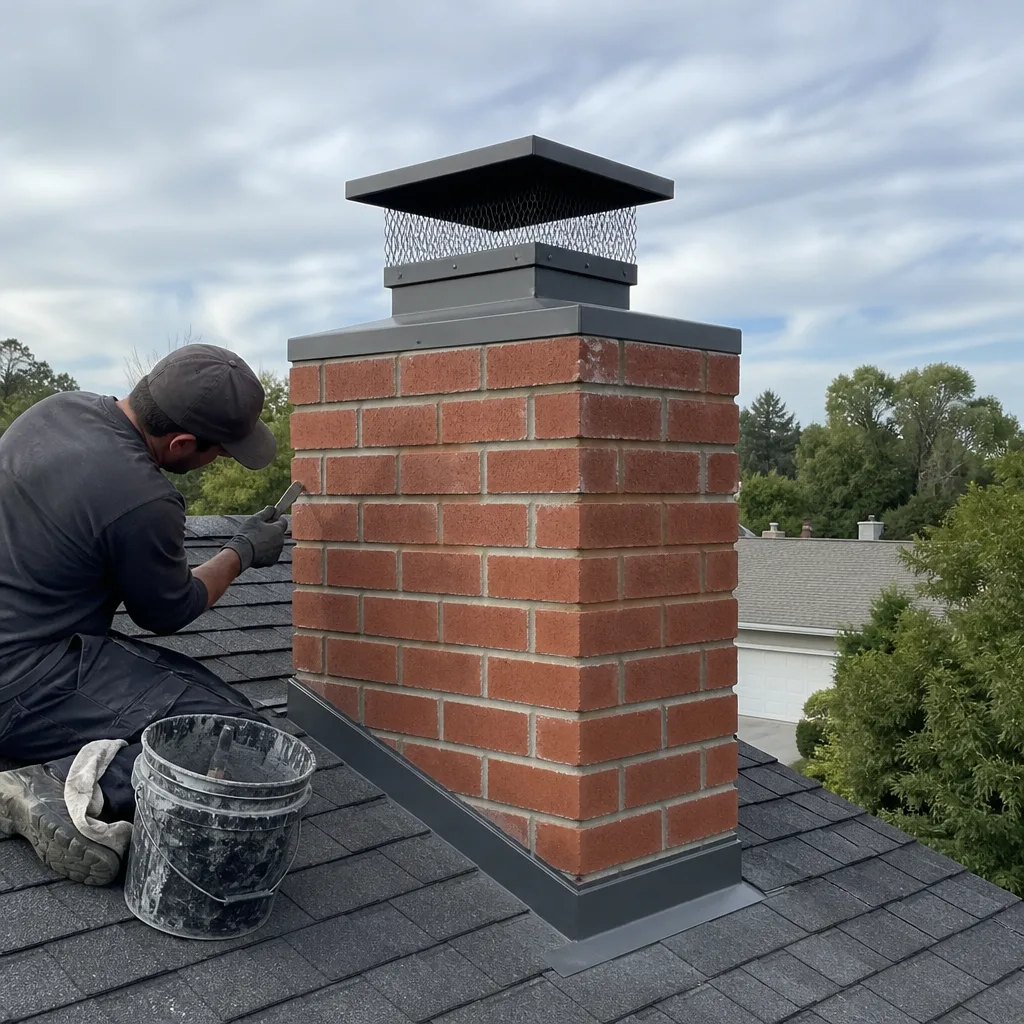
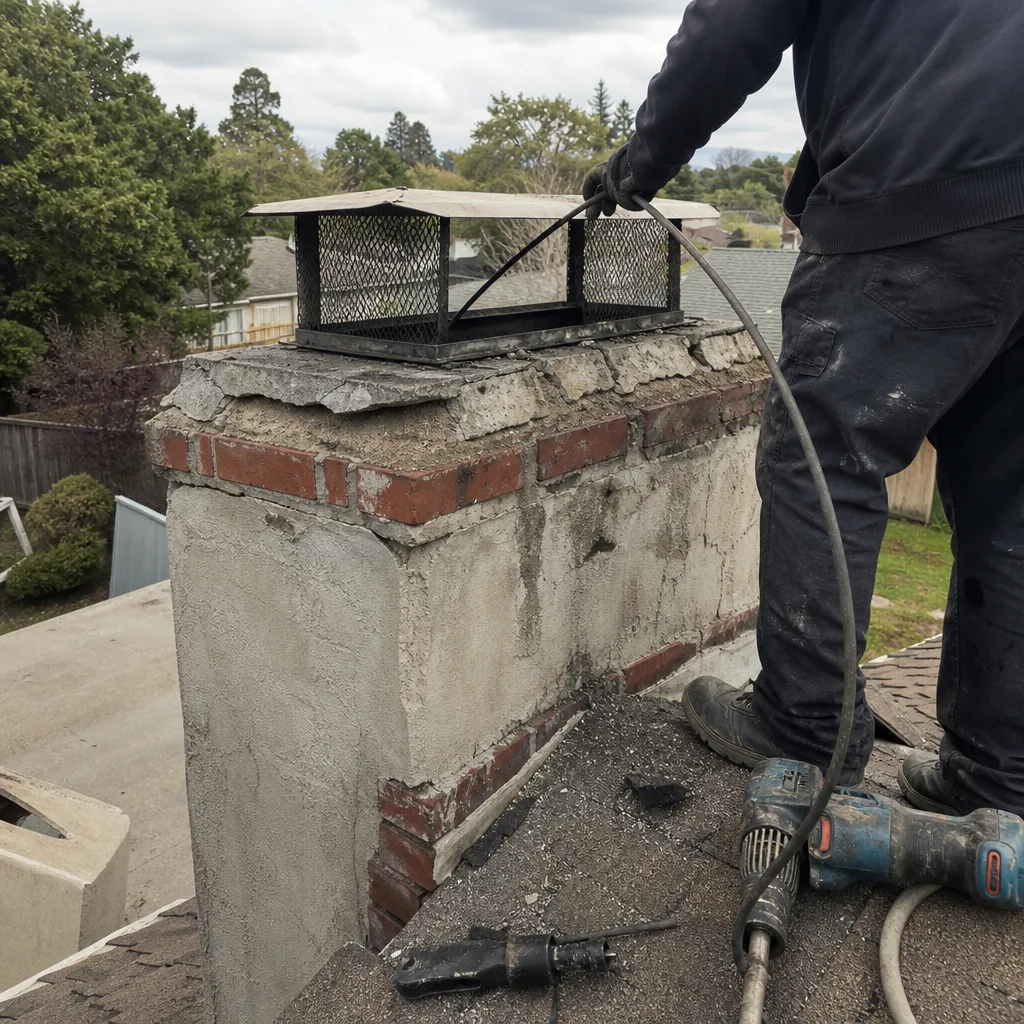
See the difference
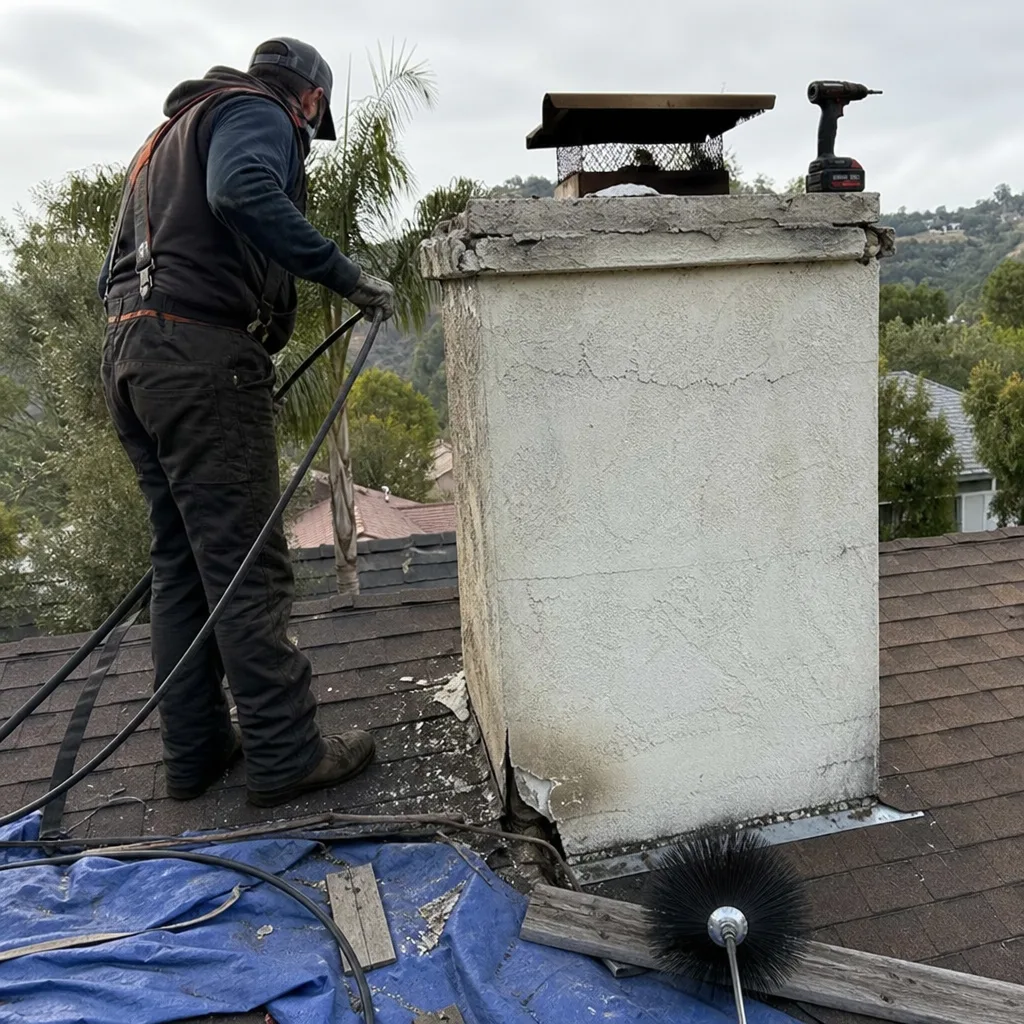 Before
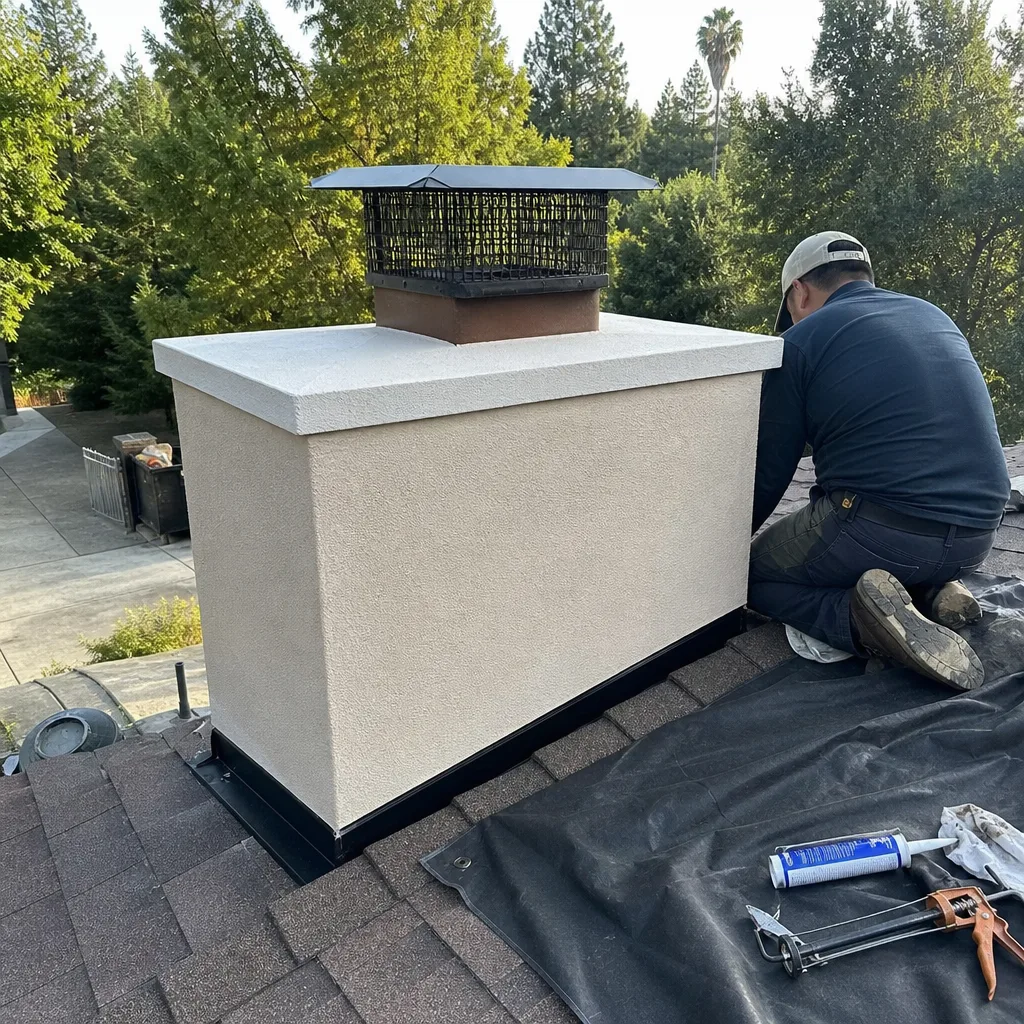 After
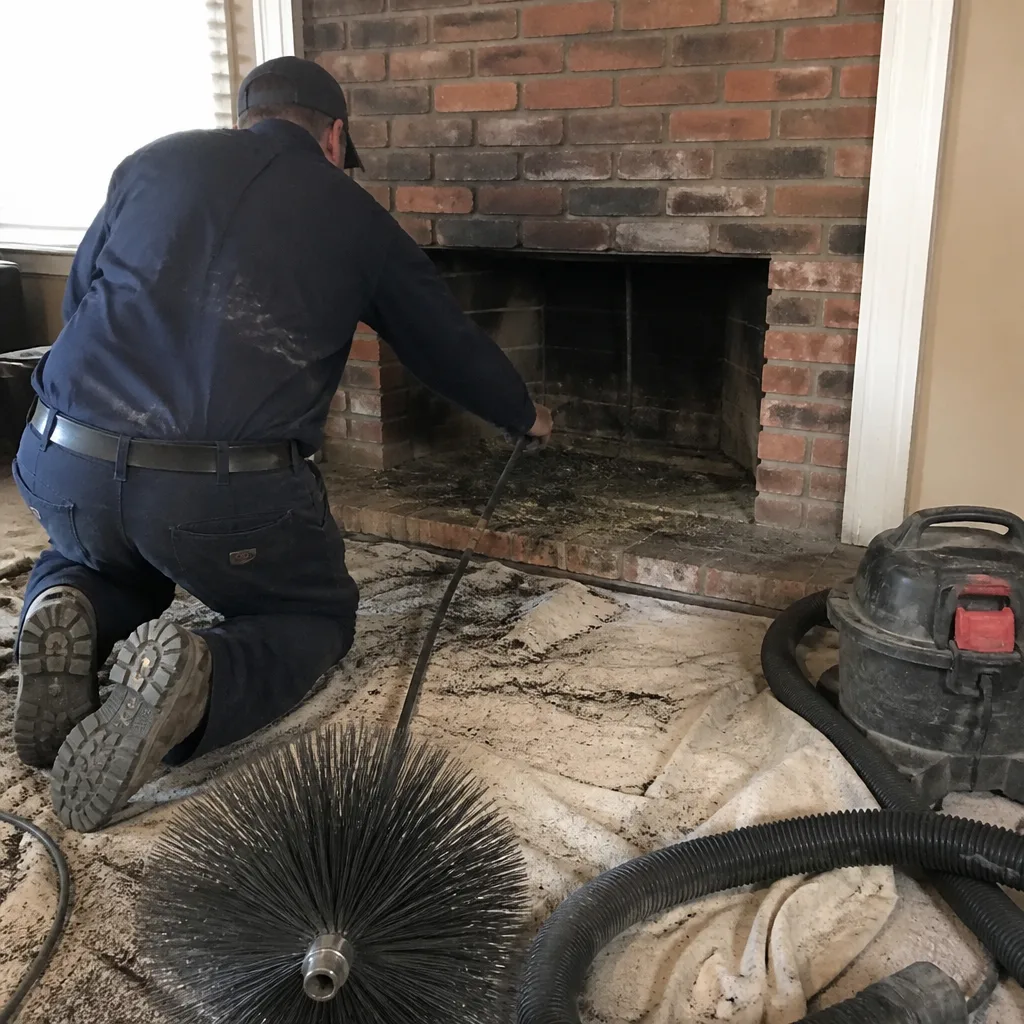 Before
 After
 Before
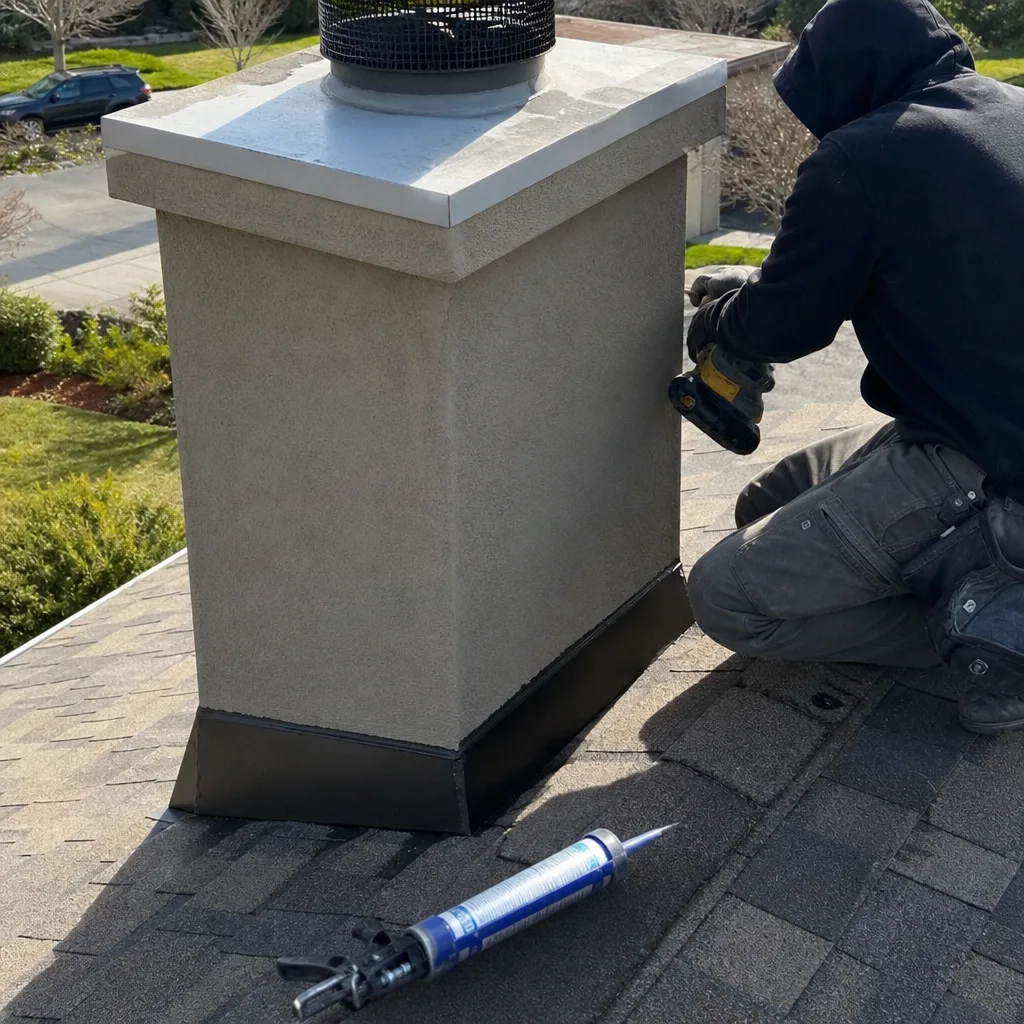 After