
Last updated November 2, 2026
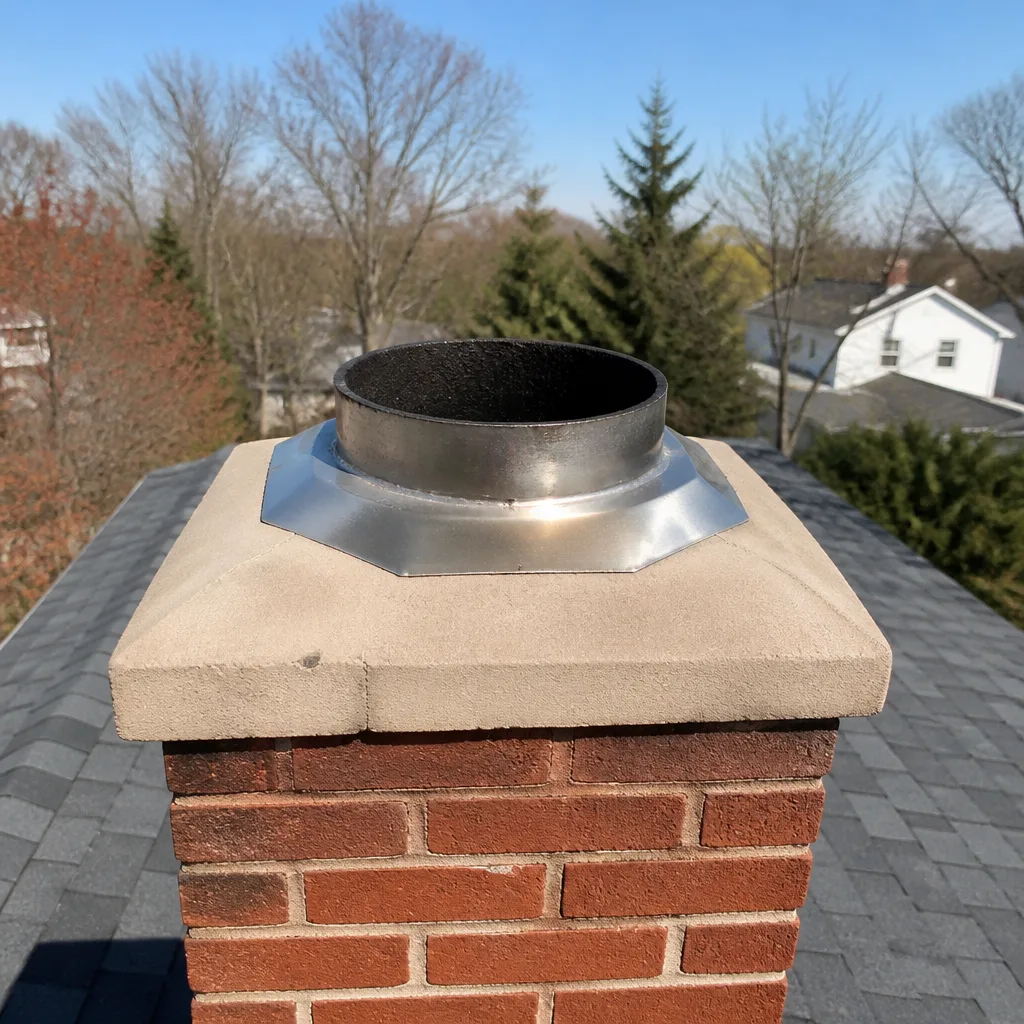 Sweep & inspection
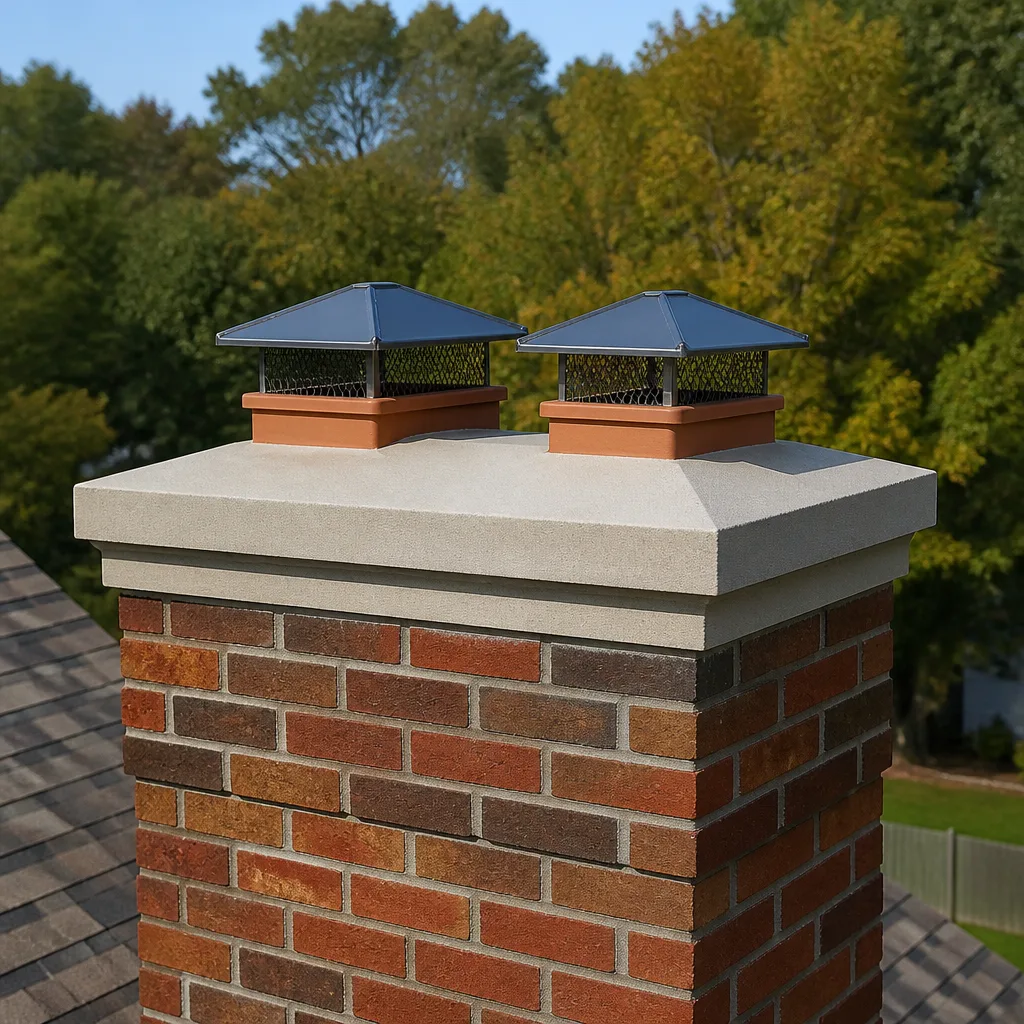 Caps & crowns
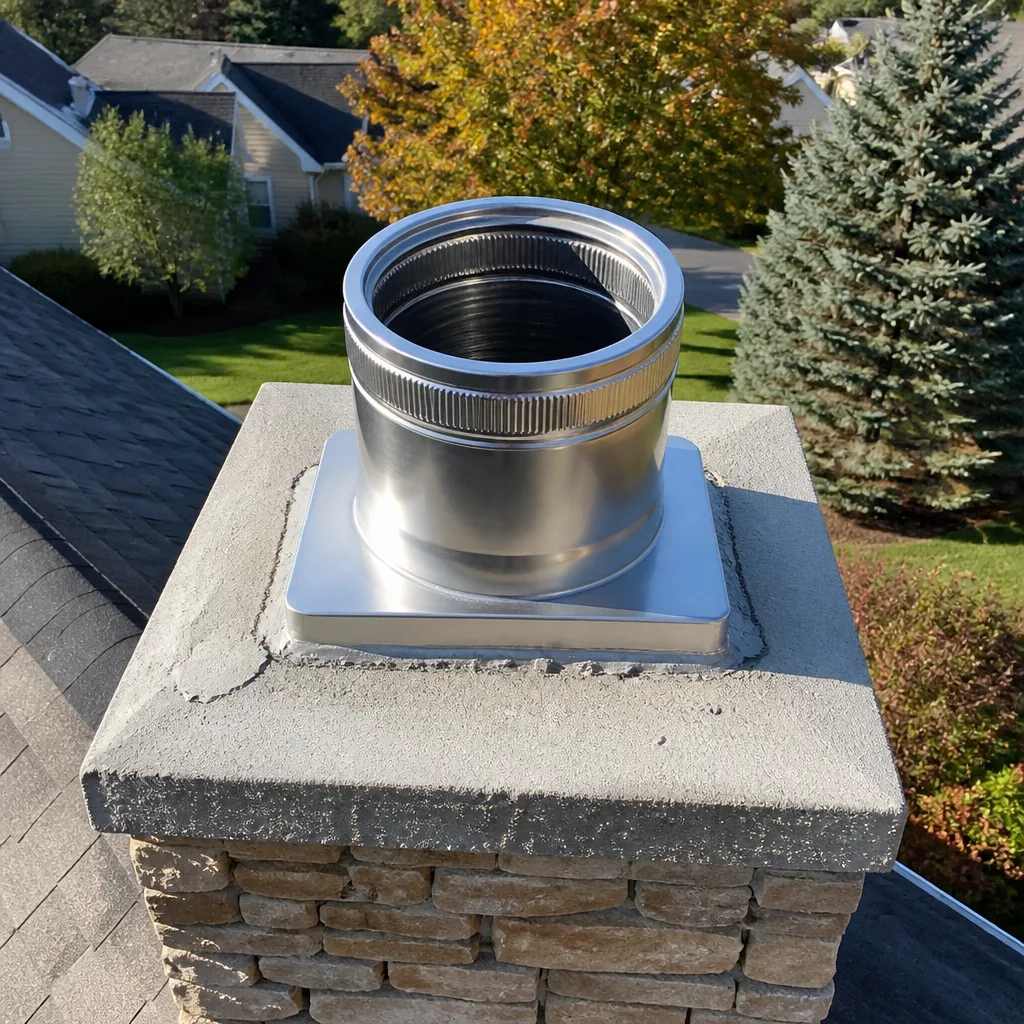 Flue relining
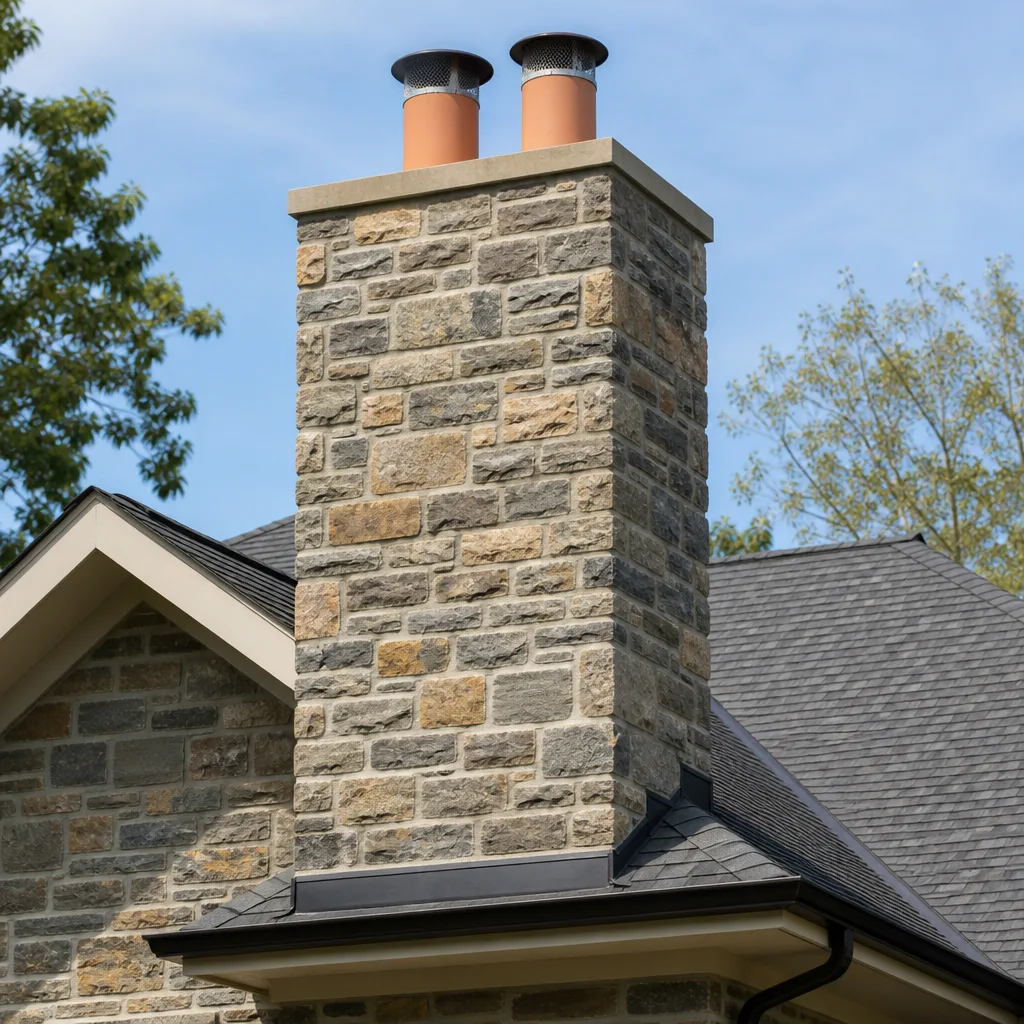 Masonry repair
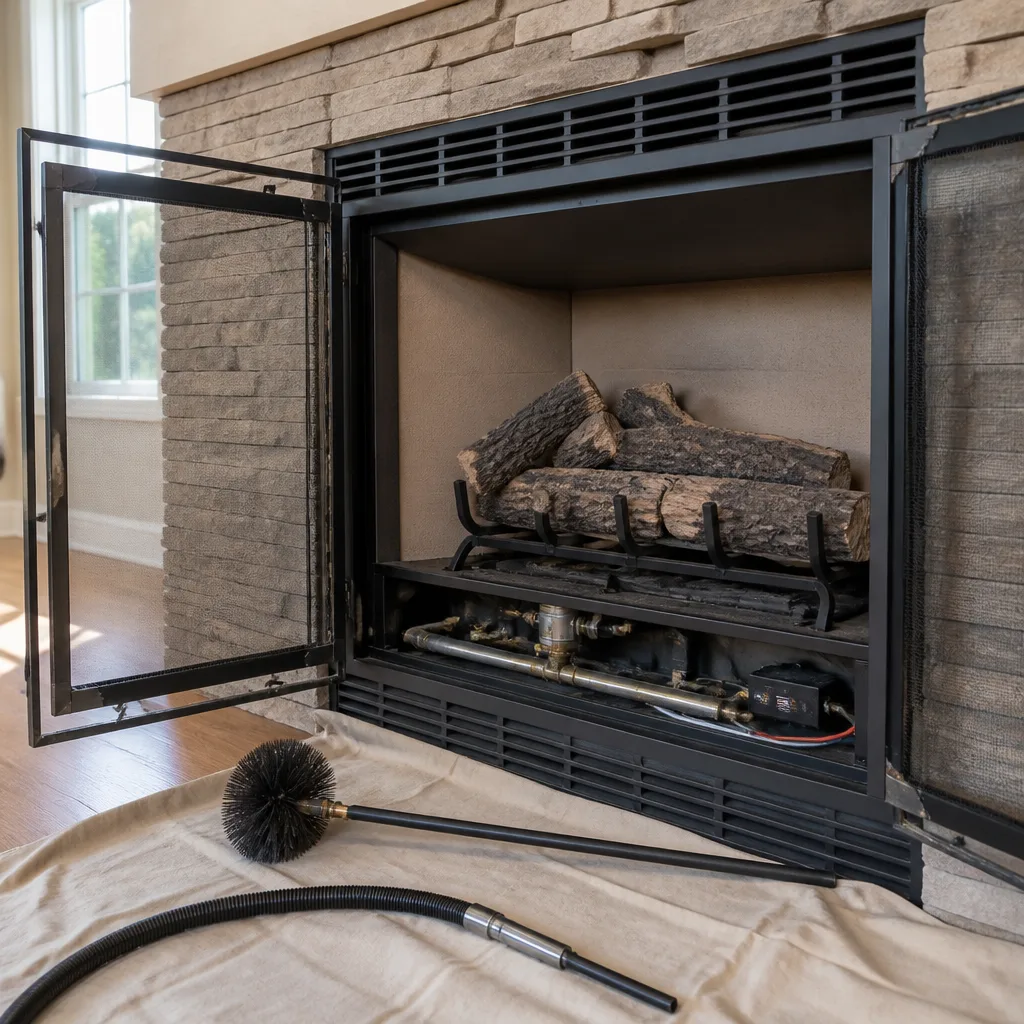 Gas fireplace service
Level 1 sweep and inspection to the NFPA 211 annual standard - flue, crown, cap, and flashing checked and photographed
Chimney sweep logs do not sweep chimneys. They loosen some creosote - which then falls where a brush and vacuum still have to collect it.
Chimney Sweep Troubleshooting: Common Problems and How to Fix Them
If your chimney smokes into the room every time you light a fire, getting it swept is the wrong first step. A dirty flue is rarely the cause of backdraft, and sweeping it won’t change the air pressure physics making it fail. Most homeowners in Vermont Vista call us convinced they need a cleaning when what they actually need is a diagnosis. This guide – along with our Complete Chimney Sweep Guide for Vermont Vista Homeowners – walks through the mechanical causes behind the symptoms you’re seeing, from summer campfire smells to water stains inside the firebox, and tells you which problems you can monitor safely and which ones demand a professional before your next fire. By the end, you’ll know what to ask for when you call, and you won’t pay for a sweep that doesn’t solve your actual problem.
Styles & brands we work with
- Sweep & inspection
- Caps & crowns
- Flue relining
- Masonry repair
- Gas fireplace service
Quick Answer
Chimney problems fall into two categories: airflow issues (smoke backdraft, slow draws, odd smells) and structural issues (water leaks, damper failure, flue deterioration). Each symptom points to a specific mechanical cause, and most of them cannot be fixed by sweeping alone. Diagnosing the root cause first, whether it’s negative house pressure or a missing rain cap, saves you money and repeat service calls.
Table of Contents
- Why Smoke Comes Back Into the Room: The Five Mechanical Causes of Backdraft
- The Summer Campfire Smell: Why It’s Almost Always a Missing Rain Cap
- Damper Failure: The Carbon Monoxide Risk Nobody Talks About
- Reading Water Stains Inside the Firebox: Front vs. Back Wall Leaks
- Creosote Buildup vs. Soot: What You’re Actually Looking At
- Slow Draw and Cold Flue Syndrome: The Physics of a Chimney That Won’t Start
- What to Monitor Between Sweeps vs. What Needs Immediate Attention
- Common Mistakes to Avoid
- When to Call a Professional
- Frequently Asked Questions
- The Bottom Line
Why Smoke Comes Back Into the Room: The Five Mechanical Causes of Backdraft
Backdraft is the most common complaint we hear from homeowners in Vermont Vista, and it’s also the most misunderstood. Smoke entering your living space is not a sign that your chimney needs sweeping. It’s a sign that air is moving the wrong direction through your flue, and that’s a pressure problem, not a cleanliness problem.
Here are the five mechanical causes of backdraft and how to tell them apart without climbing onto your roof:
- Negative house pressure. Modern homes are sealed tight. When you run a bathroom exhaust fan, a kitchen range hood, or a clothes dryer, those appliances pull air out of the house. If the house can’t get enough makeup air, it pulls air down the chimney, smoke and all. You can test this yourself: open a window an inch before lighting a fire and see if the problem goes away. If it does, your chimney is fine and your house is starving for air.
- Undersized flue. Flues are sized to the appliance they serve. If a previous owner installed a larger fireplace insert or wood stove without resizing the flue, the flue can’t move enough air volume, and smoke stalls or reverses. This is a structural issue that requires a flue measurement and possibly a liner replacement.
- Cold flue syndrome. Cold air is dense and heavy. On a cold Vermont Vista morning, a column of cold air sits in your flue and acts like a plug. When you light a fire, the smoke can’t push through it and spills into the room instead. The fix is priming the flue: hold a lit rolled-up newspaper near the open damper for 30 to 60 seconds to warm the air column before lighting your main fire.
- Obstructed cap or flue. A bird nest, a squirrel stash, leaf debris, or a fully clogged spark arrestor screen on the cap will restrict airflow. An obstructed cap behaves differently from a dirty flue: it restricts at the top, not the middle, and you’ll often notice the problem appeared suddenly, after a storm or nesting season.
- Competing exhaust fans. This is negative house pressure’s more aggressive cousin. If your range hood vents 400 cubic feet per minute and your chimney can only move 200, air will reverse down the chimney no matter how clean it is. We see this in Vermont Vista homes where kitchen renovations added a big vent hood without accounting for combustion air.
Each of these has a different fix. Negative pressure needs makeup air. A cold flue needs priming. An obstructed cap needs clearing. An undersized flue needs resizing. A sweep helps none of them. This is why we diagnose before we clean: we’d rather tell you the truth than take your money for a service that won’t change what’s happening in your living room. If you’re in Vermont Vista and smoke is coming back into the room, start with a professional assessment, not a brush. Our Chimney Sweep in Vermont Vista service begins with understanding what’s actually wrong.
The Summer Campfire Smell: Why It’s Almost Always a Missing Rain Cap
Every summer, we get calls from Vermont Vista homeowners who say their living room smells like a campfire even though they haven’t lit a fire since March. Their first assumption is creosote buildup. Their second assumption is that they need a sweep. Both are usually wrong.
Creosote is sticky and tarry when warm, but once it cools and dries, it doesn’t off-gas much odor at room temperature. It’s not the primary source of that summer smell. The real culprit in most cases is a missing, damaged, or improperly fitted rain cap.
Here’s what’s happening. Warm summer air rises up your flue and exits through the top. When that air leaves, it pulls replacement air in from somewhere else, often through the seams and cracks in your chimney structure or down through the flue itself. If there’s no cap at the top, or if the cap has rusted through, the flue stays open to the elements. Humidity from summer rain gets in. Moisture mixes with the creosote residue on the flue walls. That moisture activates the creosote’s odor, and the natural draft pattern drops that smell right back down into your living room. It’s not the creosote’s fault; it’s the missing cap’s fault.
The fix is straightforward. Inspect the top of your chimney. If the cap has blown off in a windstorm, rusted out, or was never installed, install a proper one. We use Copperfield and Olympia Chimney caps because the material quality matters when it sits exposed to Southern California sun and winter rain year after year. A good cap does triple duty: it keeps rain out, it keeps animals out, and it damps the draft that draws odors down into your home. If you’ve already got a cap and the smell persists, then it’s time to look at whether your flue liner is holding moisture, or whether the creosote layer is thicker than you think. But start with the cap; in our experience, it solves the problem more than half the time. For Vermont Vista homeowners, this is one question we can often answer over the phone if you can tell us whether you can see the cap from the ground.
Damper Failure: The Carbon Monoxide Risk Nobody Talks About
Nobody thinks about their damper until it stops working. That’s understandable; it’s a small metal plate that opens and closes. But a failed damper is one of the few chimney problems that can actively harm you, and it has nothing to do with how much creosote is in your flue.
When we talk about damper failure, we mean three specific conditions:
- Won’t seal fully. A damper that won’t close all the way lets cold air sink into your house in winter and cool air escape in summer. That’s a comfort and efficiency problem, but more importantly, it allows air movement through the flue when you don’t intend any. That slow, constant draft can pull exhaust gases from a water heater or furnace back into the home.
- Won’t open fully. A damper that opens only halfway restricts your flue opening. This creates backdraft because the smoke can’t exit fast enough, and it forces your fireplace to work harder to establish draft. A partially open damper is often worse than a closed one because it looks functional while actively causing smoke spillage.
- Corroded throat or seized mechanism. Dampers live in a harsh environment: heat from below, moisture from above, and creosote residue from both sides. Over time, the hinge pins corrode, the frame warps, and the plate seizes. A seized-open damper is a safety hazard: it means combustion gases from any appliance sharing that flue can potentially backflow into your living space when conditions align.
The carbon monoxide risk is real and underappreciated. If your damper won’t seal and your furnace or gas water heater vents into the same flue, a draft reversal on a windy night can push exhaust gases into your home. Carbon monoxide is odorless, invisible, and deadly at low concentrations over time. We recommend Vermont Vista homeowners test their damper twice a year: once in fall before burning season, once in spring when shutting things down. Open it fully, close it fully, and listen. Grinding, sticking, or a handle that flops without resistance are all signs the mechanism is failing. Replacing a damper is a mechanical repair, not a cleaning issue, and it’s exactly the kind of thing we handle as part of our Chimney Repair in Vermont Vista work, often with Famco replacement parts built for this specific job.
Reading Water Stains Inside the Firebox: Front vs. Back Wall Leaks
Water stains inside the firebox tell a story. Most homeowners see a stain and panic, assuming the whole chimney needs rebuilding. That’s rarely the case. The location of the stain tells you where the leak originates, and the difference between a front-wall stain and a back-wall stain is significant.
Front wall stains (the face of the firebox, the smoke shelf area, or the damper frame) almost always point to a chimney crown problem. The crown is the concrete or mortar cap at the top of the chimney, and its job is to shed water away from the flue. When the crown cracks or spalls, water seeps down through the masonry and follows gravity to the first horizontal surface it finds, which is often the smoke shelf or the firebox’s front wall. You’ll see rust on the damper, stains on the lintel, and sometimes efflorescence (white powdery mineral deposits) on the brick face.
Back wall stains (the rear of the firebox, the back wall of the flue, or stains that appear after heavy rain but not after light rain) suggest a different source. These usually indicate flashing failure where the chimney meets the roofline, or cracked mortar joints in the chimney’s exterior masonry. Water runs down the outside of the chimney and migrates inward. Back wall stains that appear suddenly after a storm are flashing problems until proven otherwise.
There’s a third possibility: liner joint leaks. If your flue liner has deteriorated joints, condensation and rain entering the top of the flue can seep through those joints and stain the flue’s interior walls. This is different from a crown leak because it shows up as vertical streaking inside the flue itself, visible during a camera inspection.
What should a Vermont Vista homeowner do with this information? Photograph the stain, note when it appeared and whether it correlates with rain events, and don’t rush to repoint the whole chimney. A proper diagnosis starts with a camera inspection of the flue and a visual check of the crown and flashing. We use camera inspection as a standard part of our assessment in Vermont Vista, because a stain is a symptom, not a diagnosis. Once we know the source, we can talk about whether it’s a sealing repair or something more significant, and we use materials like Gelco sealants that are made for exactly this application.
Creosote Buildup vs. Soot: What You’re Actually Looking At
We ask every Vermont Vista homeowner the same question before we look at their chimney: what are you burning? The answer tells us a lot about what we’re going to find inside the flue. But it’s worth understanding the difference between the two main residues, because they look different, they behave differently, and one of them is far more dangerous.
Soot is soft, black, and powdery. It’s carbon residue from incomplete combustion, and it brushes off easily. Soot accumulates naturally from burning wood, gas logs, or pellets. It’s normal, and it’s why annual sweeping exists. A layer of soot on your flue walls is not a crisis.
Creosote is a different animal. It forms when wood smoke cools and condenses on the flue walls, creating a sticky, tar-like substance. There are three stages, and they matter:
- Stage 1 creosote is flaky and dusty. It brushes off with standard sweeping tools. This is the expected residue from properly seasoned wood burned in a hot fire.
- Stage 2 creosote is shiny, black, and tar-like. It’s harder to remove and indicates that the flue was too cool or the wood was too wet. This is what you get from burning unseasoned wood or smoldering fires.
- Stage 3 creosote is glazed and rock-hard. It looks like a layer of black glass coating the flue. This material is highly combustible and cannot be removed by brushing alone. It needs chemical treatment or mechanical removal, and it’s the leading cause of chimney fires.
Here’s the practical takeaway: if you burn properly seasoned hardwood in a hot fire, you’ll get soot and Stage 1 creosote, and an annual sweep handles it. If you burn pine, wet wood, or run your stove on low damper settings constantly, you’re producing Stage 2 or Stage 3 creosote, and your risk profile is different. We see this pattern regularly in Vermont Vista, where homeowners with older stoves and less seasoned firewood accumulate glazed creosote faster than they expect. A camera inspection tells us exactly what stage you’re dealing with, and we can show you the photos. That transparency matters: you should never be asked to pay for a restoration service without seeing the evidence yourself.
Slow Draw and Cold Flue Syndrome: The Physics of a Chimney That Won’t Start
A chimney is a machine. It runs on a simple principle: warm air rises. When that principle breaks down, you get a slow draw, smoke spilling into the room for the first ten minutes of a fire, or a fire that smolders and never really takes off. The physics are straightforward, and once you understand them, the solutions become obvious.
Cold flue syndrome is the most common cause in Southern California, and it surprises people because Vermont Vista isn’t a cold climate. But even a 50-degree morning is cold enough to create a dense plug of air in a tall flue. That plug is heavier than the warm air below it, so when you light a fire, smoke rises until it hits the cold plug and then stalls. The fix is simple and free: prime the flue before you light. Roll up a sheet of newspaper, light it, and hold it up near the open damper for 30 to 60 seconds. That’s enough to warm the air column and get the draft moving in the right direction. Then light your main fire. No sweeping needed.
Slow draw that persists after the fire is hot points to something else. It could be an undersized flue for the appliance, as we covered in the backdraft section. It could be an obstruction partway up the flue, like a bird nest or a partial collapse of a clay tile liner. It could also be an issue with the chimney’s height relative to the roofline: a chimney that doesn’t extend at least two feet above any structure within ten feet will struggle to develop draft because the wind creates turbulence around it. This is a geometry problem, not a cleanliness problem.
The diagnostic sequence we follow in Vermont Vista goes like this: first, try priming the flue. If that solves it, the problem is cold flue syndrome and you don’t need us. If it doesn’t, we look at the chimney top, the flue dimensions, and the relationship between the chimney and the roofline. That sequence saves homeowners money because it identifies the cheapest fix first. It’s also why the Chimney Sweep Vermont Vista home resources exist: we’d rather give you the free fix and earn your trust than sell you a sweep that won’t help.
What to Monitor Between Sweeps vs. What Needs Immediate Attention
You don’t need to call a chimney professional every time you notice something. Some conditions are safe to watch, and some are not. Knowing the difference saves you money and keeps you safe. Here’s the breakdown we give Vermont Vista homeowners.
Safe to monitor:
- Light soot buildup visible inside the firebox. This is normal and expected between sweepings.
- A faint wood-smoke smell the day after a fire. This is residue, not a leak.
- Minor rust on the damper that doesn’t affect operation.
- Exterior brick spalling that hasn’t changed in years. Take a photo once a year to track progression.
- Cold-season draft issues that resolve when you prime the flue.
Needs professional assessment before your next fire:
- Active backdraft or smoke entering the room. This is an airflow problem that will not self-resolve.
- Any water stain that appears or grows after rain. Water in the flue attacks the liner and accelerates deterioration.
- A damper that sticks, grinds, or won’t open or close. This is a carbon monoxide and draft control issue.
- A strong campfire smell in the house during summer. This points to a missing cap or moisture in the flue.
- You’ve had a chimney fire, even a small one. The flue needs inspection for damage, period.
- You hear animals in the chimney. Birds, squirrels, and raccoons nest in flues and can block them or introduce flammable materials.
The rule of thumb: if it affects air movement, fire safety, or structural integrity, call. If it’s cosmetic or seasonal and unchanged, you can watch it. And in Vermont Vista, we’re always honest about which category you’re in. Our Dryer Vent Cleaning in Vermont Vista clients hear the same philosophy: we tell them what needs doing now and what can wait, with photos as evidence.
Common Mistakes to Avoid
- Calling for a sweep when the problem is backdraft. A dirty flue doesn’t cause smoke to reverse direction. You’ll spend money on a cleaning and the problem will still be there when you light your next fire. Diagnose first.
- Ignoring a damper that doesn’t work because you only use the fireplace occasionally. A failed damper is a year-round carbon monoxide risk if your furnace or water heater shares the flue. This is not a “deal with it later” problem.
- Burning unseasoned wood because it’s cheaper. Wet wood produces Stage 2 and Stage 3 creosote, which is harder to remove and more likely to ignite. In Vermont Vista, where firewood sources vary, this is one of the most common causes of glazed creosote we see.
- Assuming a chimney cap is optional. A missing cap invites rain, animals, and the summer campfire smell. It’s one of the cheapest fixes with the highest return.
- Repointing masonry before finding the actual leak source. If water is coming through the crown, repointing the brick won’t stop it. You’ll pay for masonry work and the stains will return after the next heavy rain.
- Never inspecting the dryer vent because it’s not a chimney. Dryer vents carry lint, lint is highly flammable, and blocked dryer vents are a leading cause of appliance fires. The same vigilance you apply to your chimney should apply to your dryer exhaust.
- DIY repairs on a chimney you can’t safely access. Chimney work involves roof access, heights, and specialized tools. A fall from a roof in Vermont Vista is a life-changing event, and it’s not worth avoiding a service call. We use professional-grade materials like DuraFlex and HeatShield because the repair must hold up, and because installing them correctly matters.
When to Call a Professional
Call us when the problem involves air movement, structural integrity, or fire safety. Backdraft that doesn’t resolve with an open window. A damper that won’t operate. Water stains that grow after rain. A chimney fire, even a small one. Any sign that animals have been in the flue. These are not monitor-and-wait situations. They need a professional assessment with tools: a camera inspection, a flue measurement, a crown and flashing check. Chimney Sweep Vermont Vista offers free estimates in Vermont Vista, call (888) 453-5781. We’ll tell you what’s wrong, show you the evidence, and give you a straight answer about what needs fixing now versus what can wait. No upselling, no vague reassurances.
Frequently Asked Questions
A standard chimney sweep in Vermont Vista typically runs between $180 and $340 depending on the flue’s condition, accessibility, and whether it’s been recently maintained. A Level 2 inspection, which includes a camera scan of the flue interior, adds to that cost but is worth it if you’ve never had one or if you’re seeing symptoms you can’t explain. We quote a flat price before we arrive. Call (888) 453-5781 for an exact quote, estimates are free.
A liner is not a sales add-on. It’s the barrier between your fire and the masonry. If your clay tile liner is cracked, if you’ve had a chimney fire, or if you’re installing a new insert, the liner may need to be replaced or resurfaced. In Vermont Vista, we don’t recommend a liner replacement without showing you camera footage of the damage. If someone is recommending a liner without showing you visual evidence, get a second opinion. If the damage is real, it’s a safety issue, not an upsell.
The short answer is once per year if you burn wood, and every two to three years if you only burn gas logs. The NFPA standard is an annual inspection regardless of fuel type. In practice, Vermont Vista homeowners who burn frequently or burn less-than-perfectly-seasoned wood may need sweeping more often. Stage 2 or Stage 3 creosote accumulation changes the schedule. We tell our clients what we found and when we want to see them again, and that timeline is based on what we saw in the flue, not a calendar formula.
Skipping a year means whatever is accumulating in your flue gets another year to build up. Soot is not the problem; creosote is. Stage 2 creosote is tar-like and Stage 3 is glazed and hard, and both are far more difficult to remove than Stage 1. If you burn wet wood or smolder fires, skipping a year can take you from a routine sweep to a chemical treatment or mechanical removal. It’s cheaper to sweep annually than to restore a flue that’s been neglected for five years. Call (888) 453-5781 and we’ll help you get on a schedule that fits how you actually use your fireplace.
The summer smell is almost always a missing or damaged rain cap allowing moisture into the flue, which activates creosote odor and pushes it down into your living space. It’s rarely a sign that you need a sweep. Replace the cap first. If the smell persists with a good cap in place, then we look at whether the flue is holding moisture or whether the creosote layer is thicker than expected. In Vermont Vista, where summer humidity is low but coastal moisture still moves through, the cap is the usual culprit.
We fix what we find. That’s the difference between us and a sweep-only company. If we find a cracked crown, a failed damper, or a deteriorated liner, we can handle the repair as part of the same service relationship. We don’t hand you a referral card and send you to a general contractor. For flue liner work, we use HeatShield resurfacing and DuraFlex liners because these are professional-grade products designed for exactly this purpose. One company, full accountability for what’s found.
The Bottom Line
Your chimney is a mechanical system, not a passive hole in the roof. It has moving parts, air pressure dynamics, and a structural envelope that must stay intact. Backdraft is a pressure problem. Summer smells are a cap problem. Water stains are a crown, flashing, or liner problem. None of these are solved by sweeping alone. Diagnose the root cause first, and you’ll spend less money and have fewer repeat service calls. In Vermont Vista, we built our service around that principle: if we find damage during a sweep, we can fix it, no second appointment and no referral to someone else. Straight answers about what your flue needs, nothing more and nothing less. For more guides & resources, explore our blog. Call (888) 453-5781 and let’s start with what you’re seeing.
Written by the team at Chimney Sweep Vermont Vista, serving Vermont Vista since 2017.
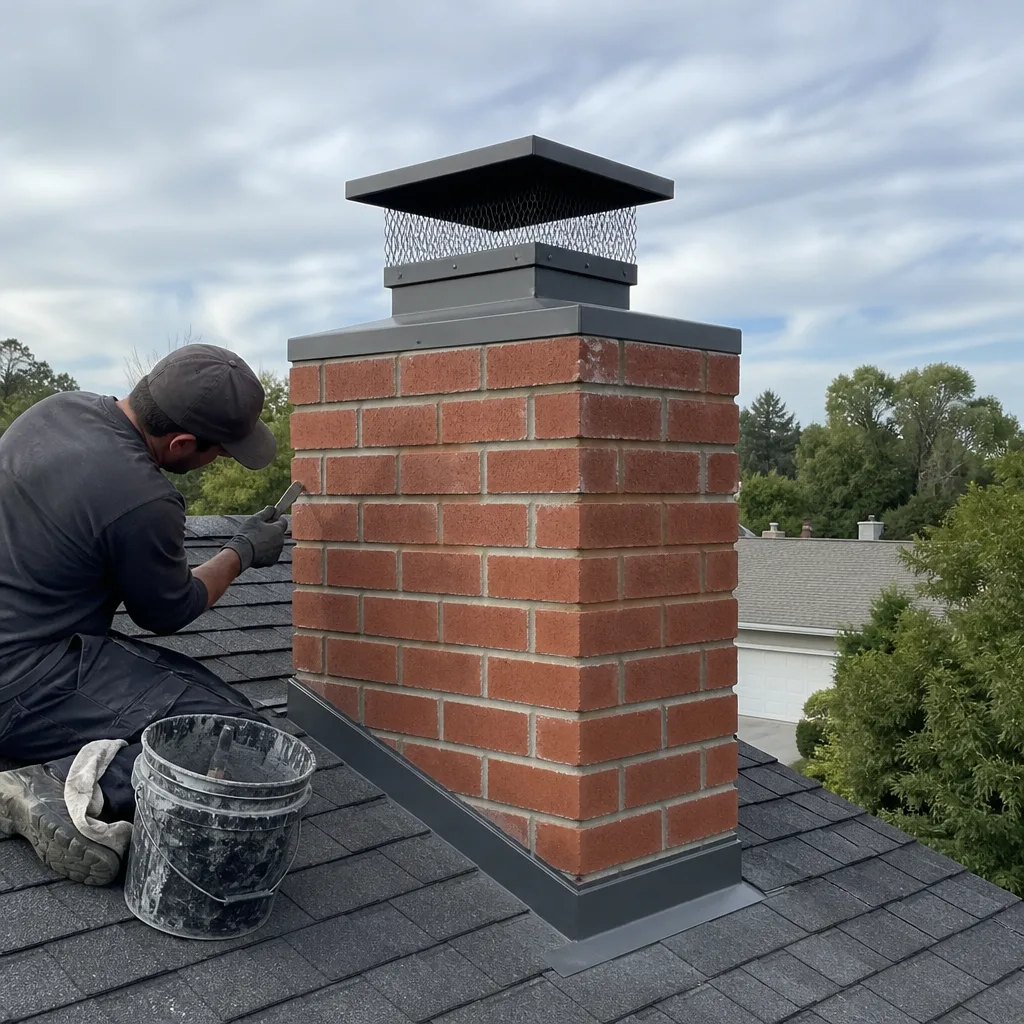
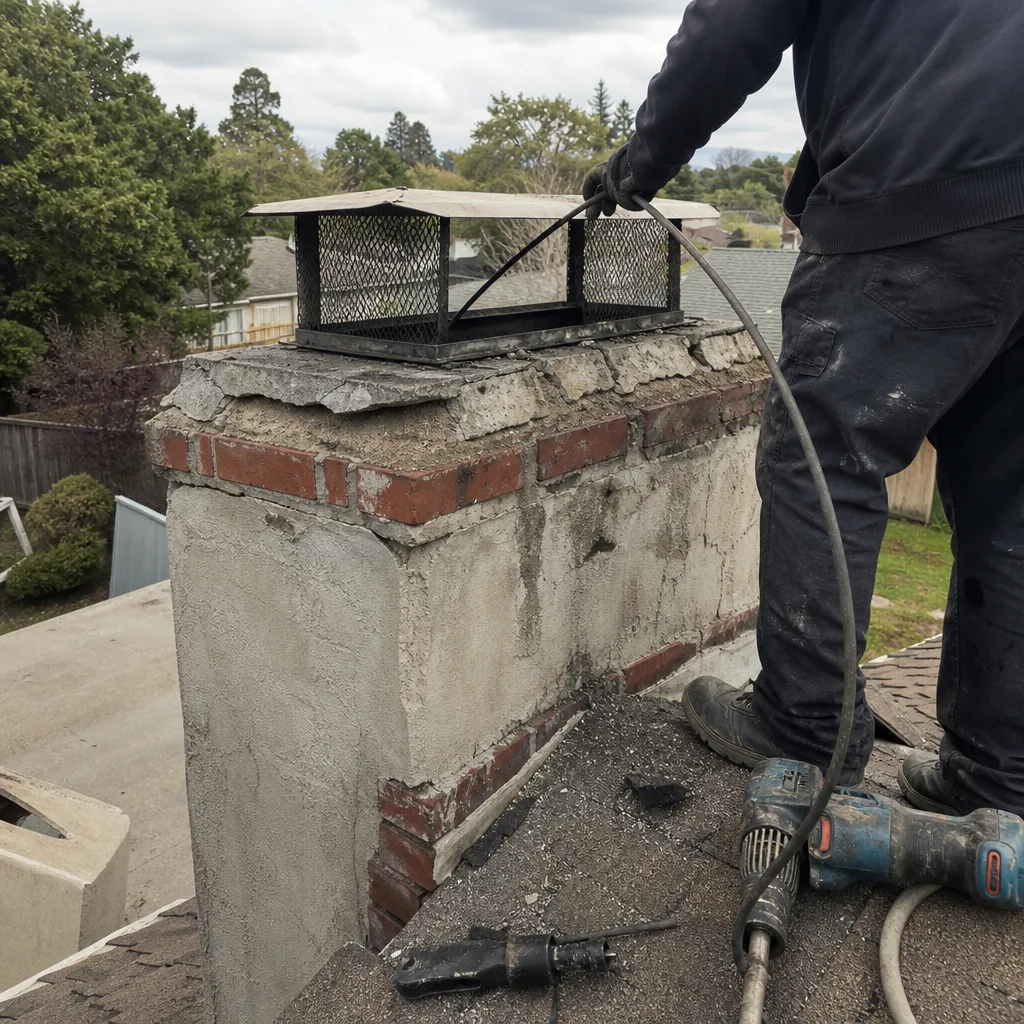
See the difference
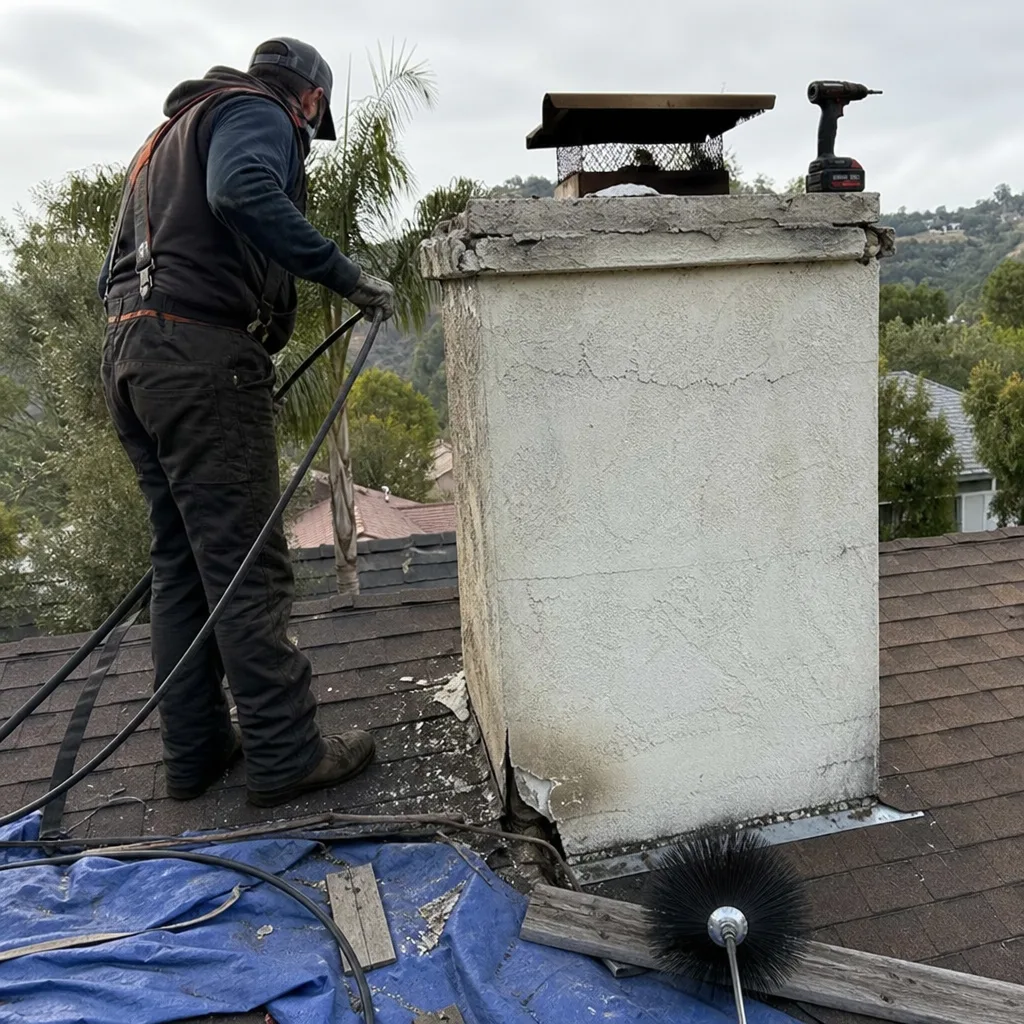 Before
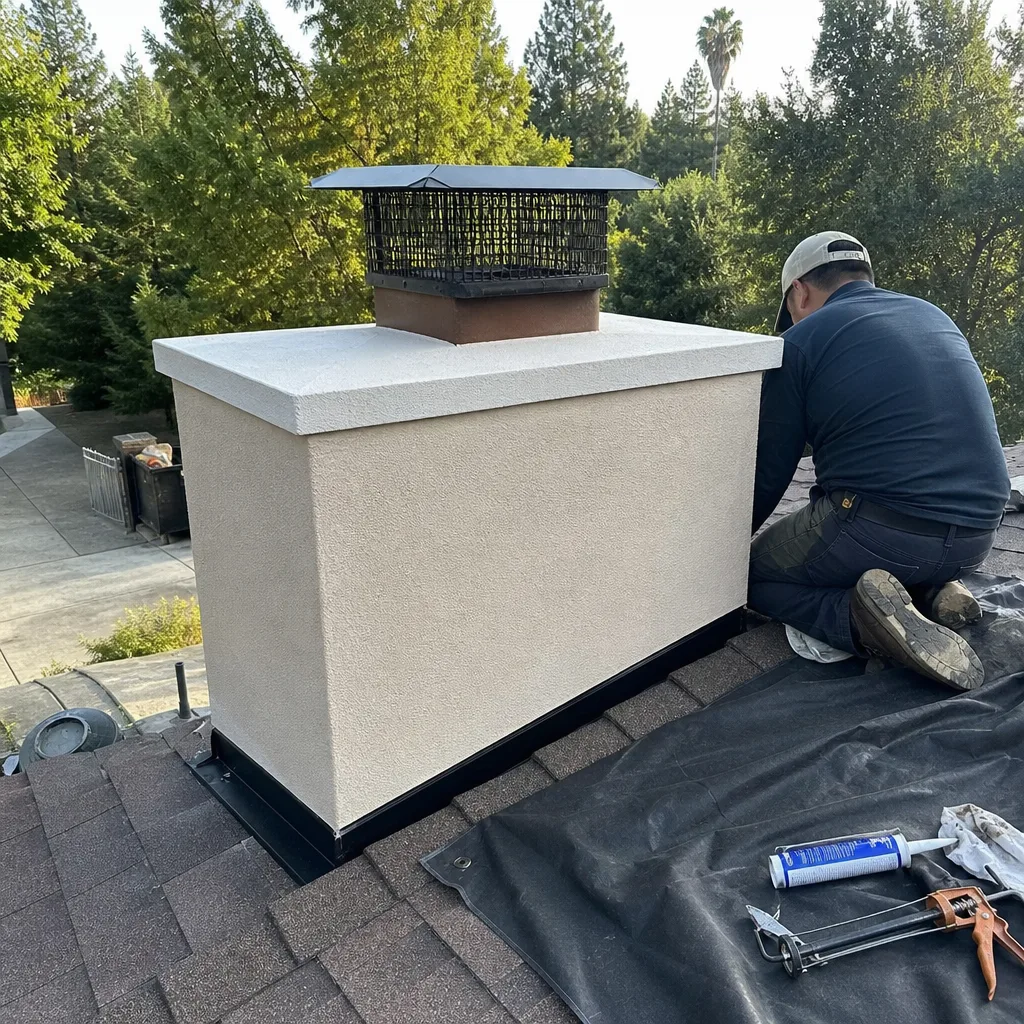 After
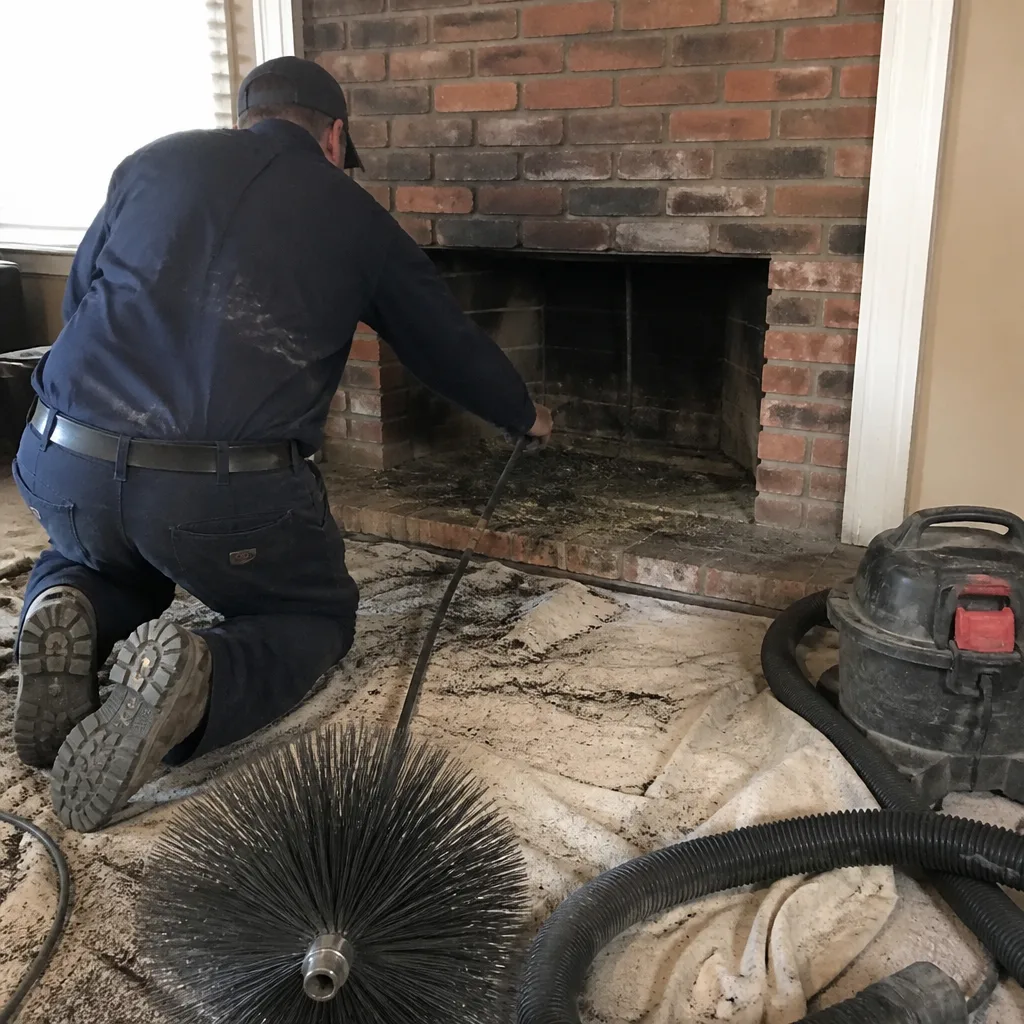 Before
 After
 Before
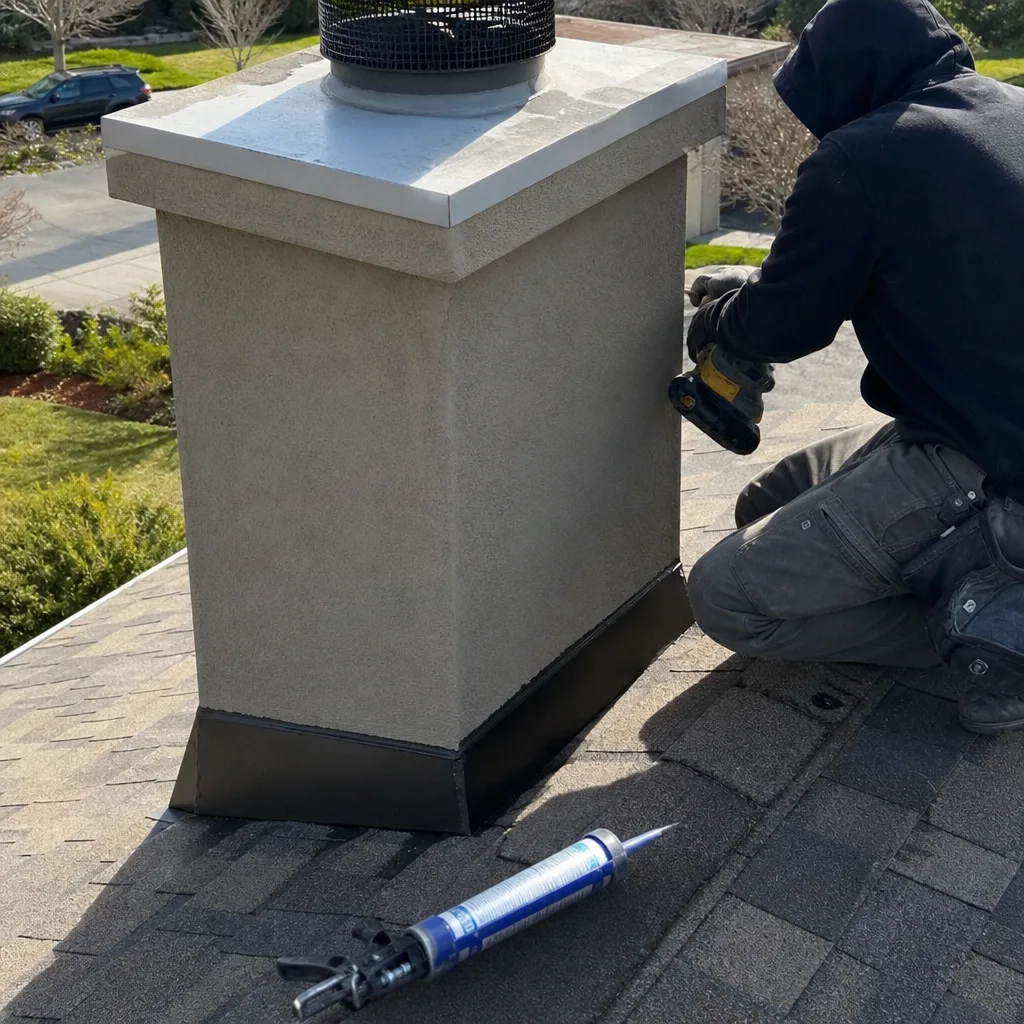 After