
Last updated November 3, 2026
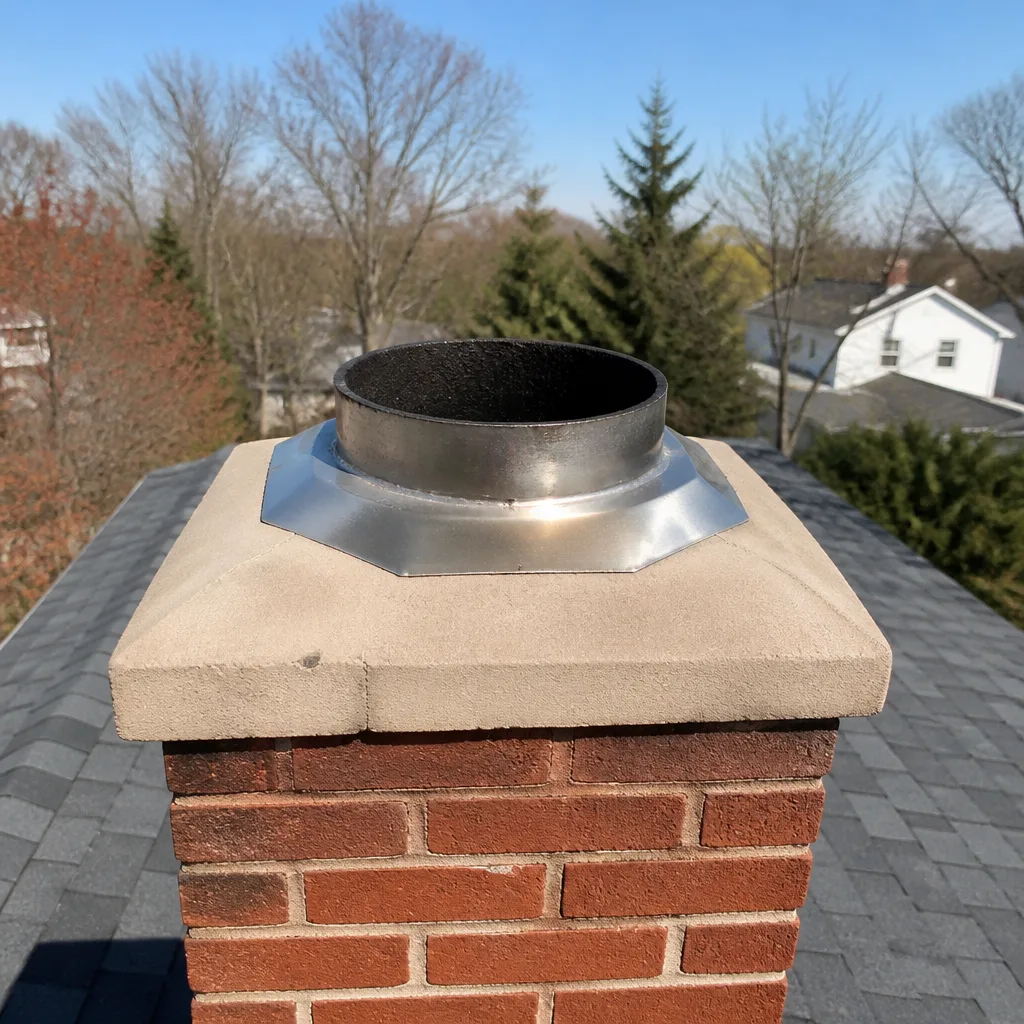 Sweep & inspection
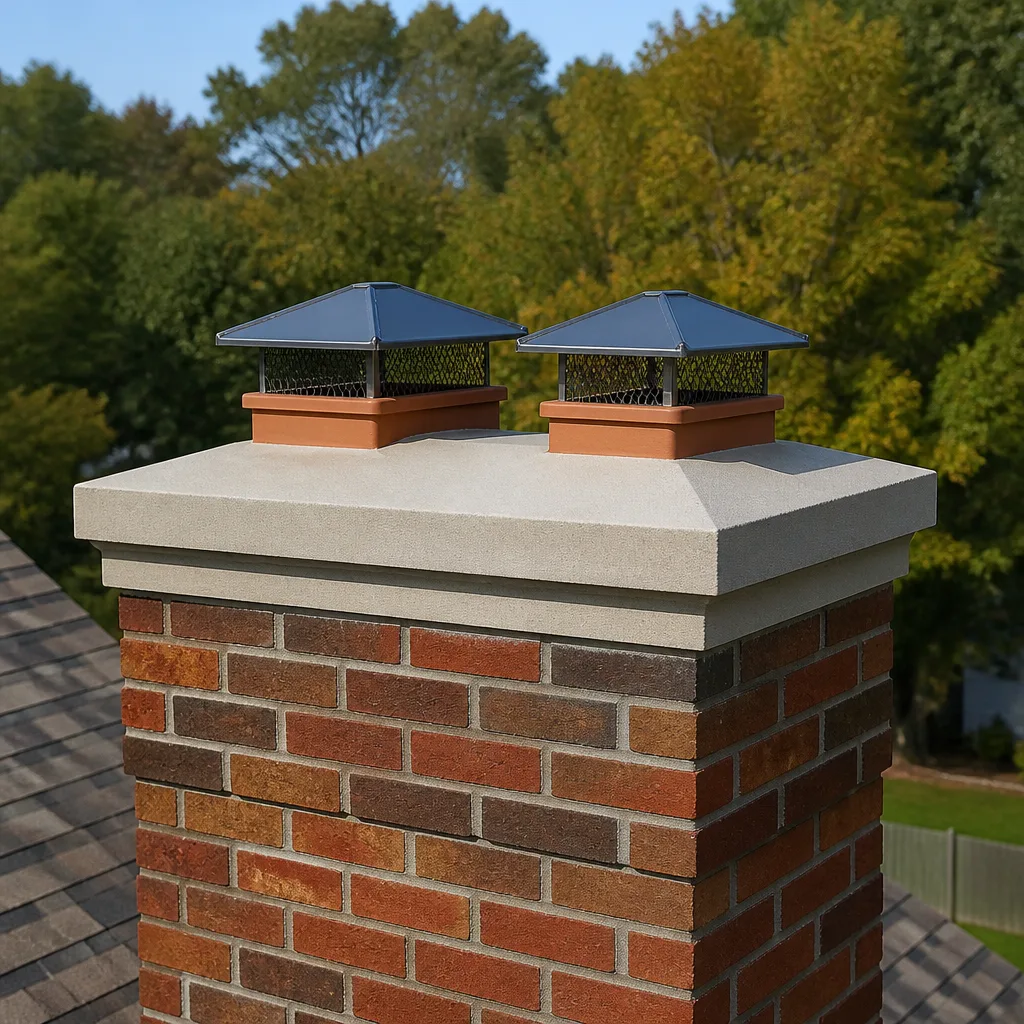 Caps & crowns
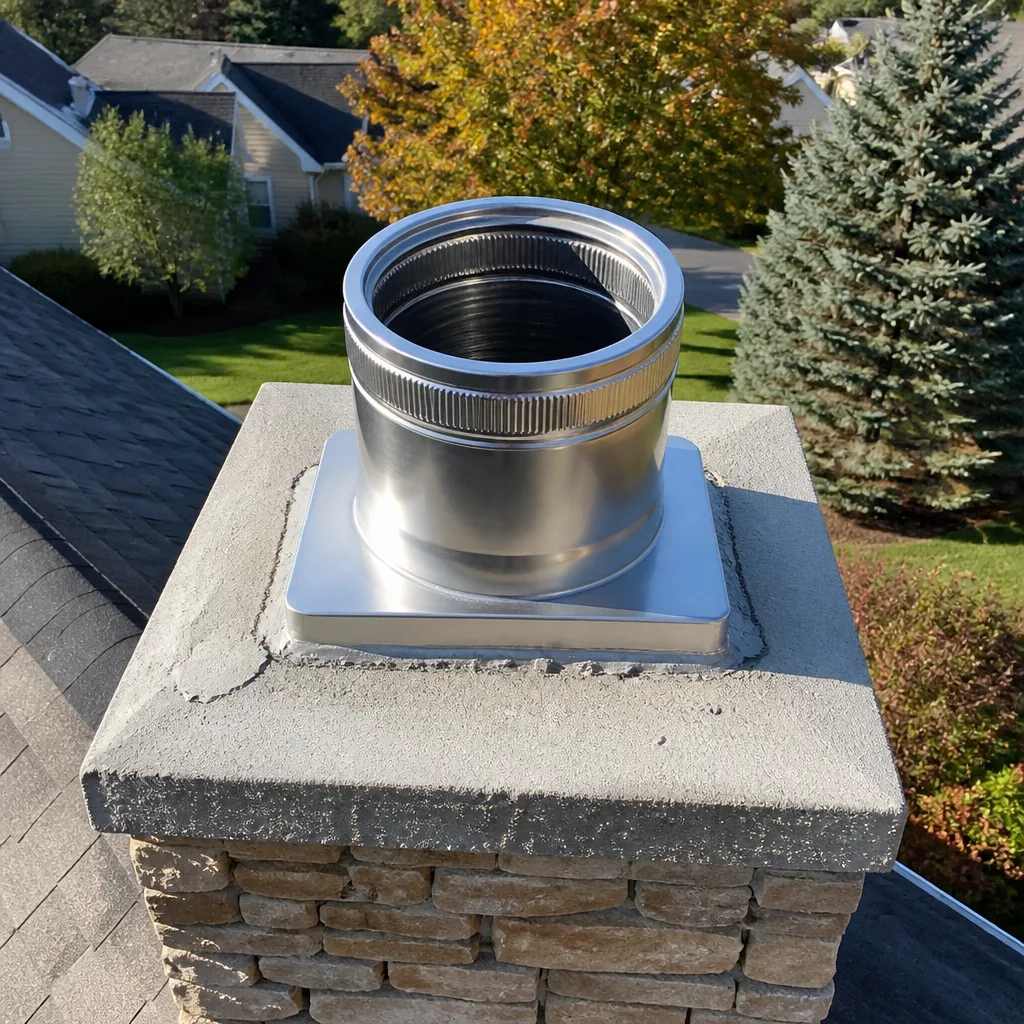 Flue relining
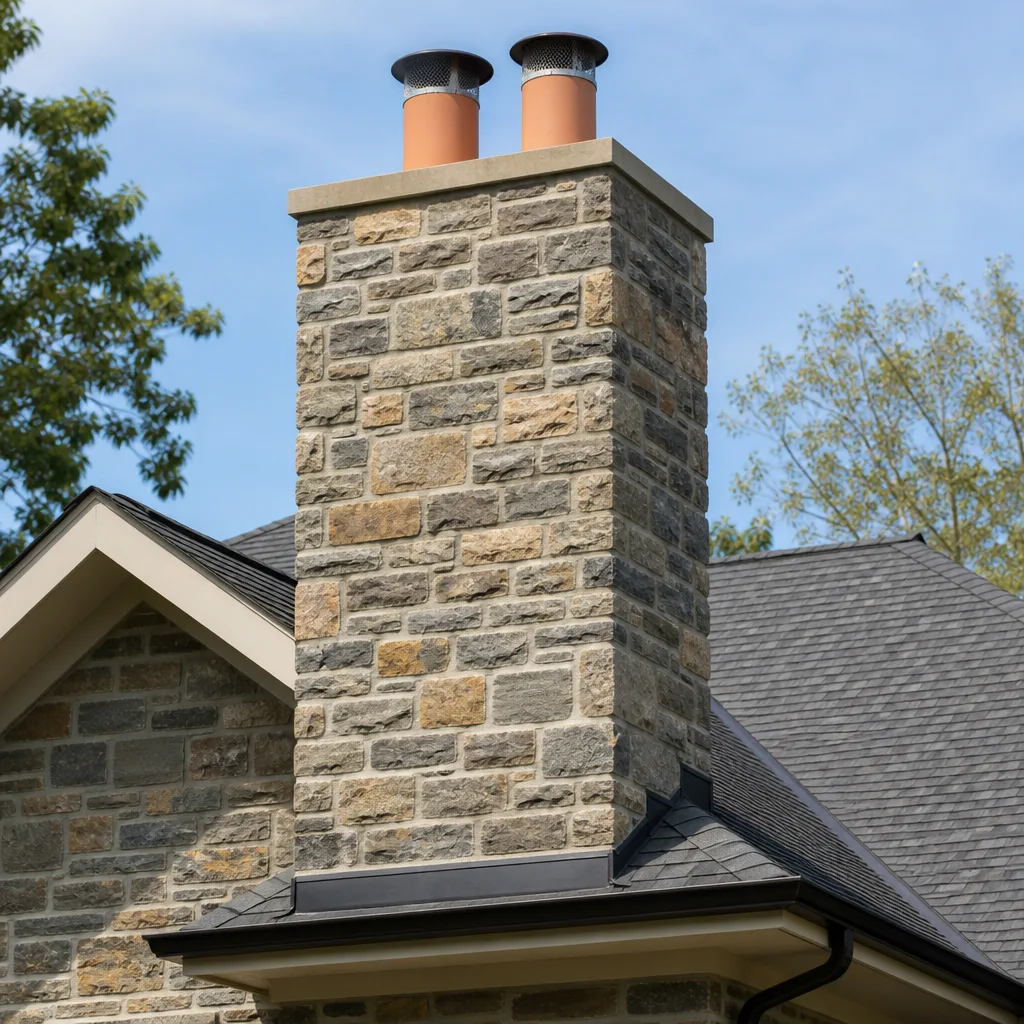 Masonry repair
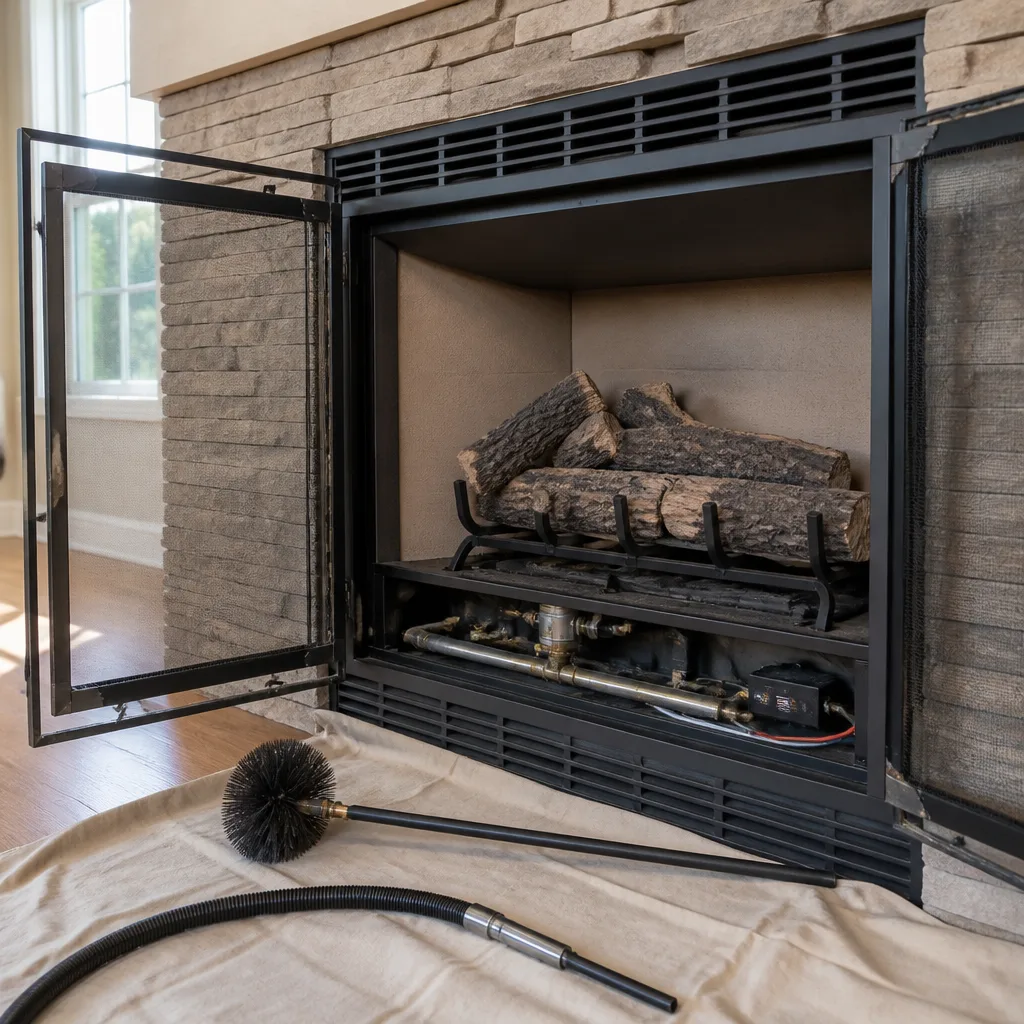 Gas fireplace service
Level 1 sweep and inspection to the NFPA 211 annual standard - flue, crown, cap, and flashing checked and photographed
Chimney sweep logs do not sweep chimneys. They loosen some creosote - which then falls where a brush and vacuum still have to collect it.
The Complete Chimney Sweep Guide for Vermont Vista Homeowners
A chimney that was swept last year can still be a stage-three creosote hazard today. That’s the detail most Vermont Vista homeowners miss, and it’s the reason we wrote this guide. Sweep frequency means nothing without knowing what fuel you burned, how hot your fires ran, and what’s actually happening inside the flue between visits. This guide – along with The Complete Guide to Chimney Cleaning in Vermont Vista – walks you through the full sweep process as a diagnostic sequence, not a cleaning ritual, so you understand what your chimney needs before anyone picks up a brush.
Quick Answer
Our Chimney Sweep services in Vermont Vista typically cost between $180 and $350, depending on creosote stage, liner condition, and whether repairs are needed. The sweep itself involves a camera inspection of the flue, mechanical cleaning matched to creosote stage, and a written report of what was found and what can wait. If you burn wood more than twice a month, an annual sweep is the minimum, not the goal.
Styles & brands we work with
- Sweep & inspection
- Caps & crowns
- Flue relining
- Masonry repair
- Gas fireplace service
Table of Contents
- Creosote Stages and Why They Dictate the Entire Sweep
- The Pre-Sweep Inspection Sequence, Step by Step
- What Makes Vermont Vista Chimneys Different
- What a Proper Sweep Actually Involves
- When Repair Has to Happen Before or After Sweeping
- Dryer Vents: The Second Flue in Your House
- Common Mistakes to Avoid
- When to Call a Professional
- Frequently Asked Questions
Creosote Stages and Why They Dictate the Entire Sweep
Creosote isn’t one substance. It’s a family of residues that forms differently depending on flue temperature, wood moisture, and burn habits. We classify it in three stages, and the stage determines what tooling we use, how long the sweep takes, and whether the job is routine or urgent.
Stage 1 creosote is a fine, dusty soot that brushes off with standard nylon or poly brushes. It forms during hot, efficient fires with seasoned wood. A flue with only Stage 1 residue is what every homeowner wants, and an annual sweep keeps it that way.
Stage 2 creosote is a crusty, flaky glaze that sticks to the liner walls. It forms during cooler fires, especially when wood is slightly green or the damper is run too far closed. Poly brushes won’t remove it effectively. We use wire brushes or rotary whip systems at this stage, and the residue comes off in hard chunks. Stage 2 is where chimney fires become a genuine possibility if left alone.
Stage 3 creosote is a hardened, glossy glaze that fuses to the liner. It’s concentrated fuel. A flue with Stage 3 buildup is an active fire hazard, not a maintenance item. Brushes, even aggressive ones, often won’t touch it. Stage 3 typically requires chemical treatment or mechanical removal with chains or rotary equipment, and in severe cases, liner replacement. The point is this: creosote stage matters more than the date on your last sweep receipt.
In Vermont Vista, we see an unusually high share of Stage 2 and early Stage 3 creosote, not because homeowners are negligent, but because of how fires get burned here. Short, infrequent fires on cool evenings produce flue temperatures that never fully cook off the volatiles in wood smoke. Those volatiles condense on the liner and harden. A fireplace used twice a month can build Stage 2 faster than a daily-burning fireplace in a cold climate.
The Pre-Sweep Inspection Sequence, Step by Step
Before a brush touches your flue, a competent sweep in Vermont Vista runs through a fixed inspection sequence. Each component tells you something about what the sweep will require and what repair may be needed. Here’s the order we follow, and why.
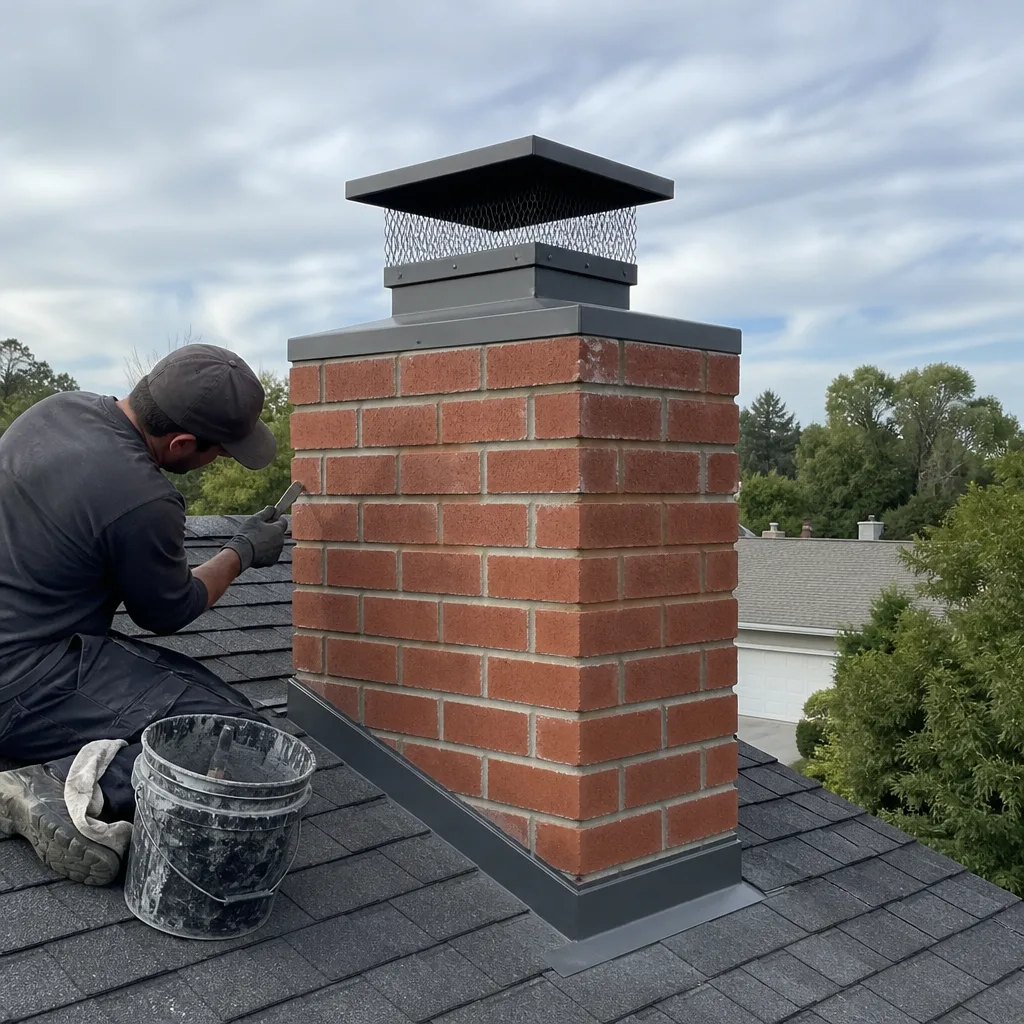
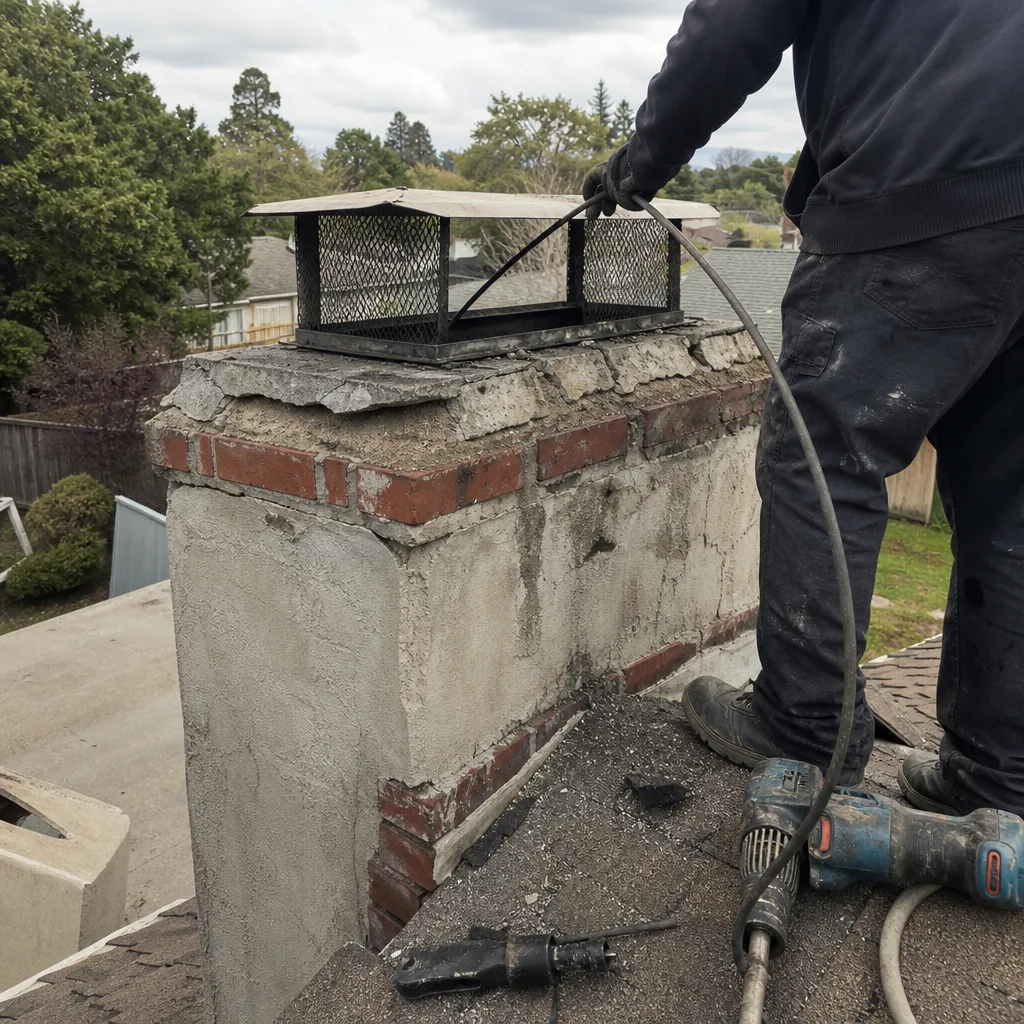
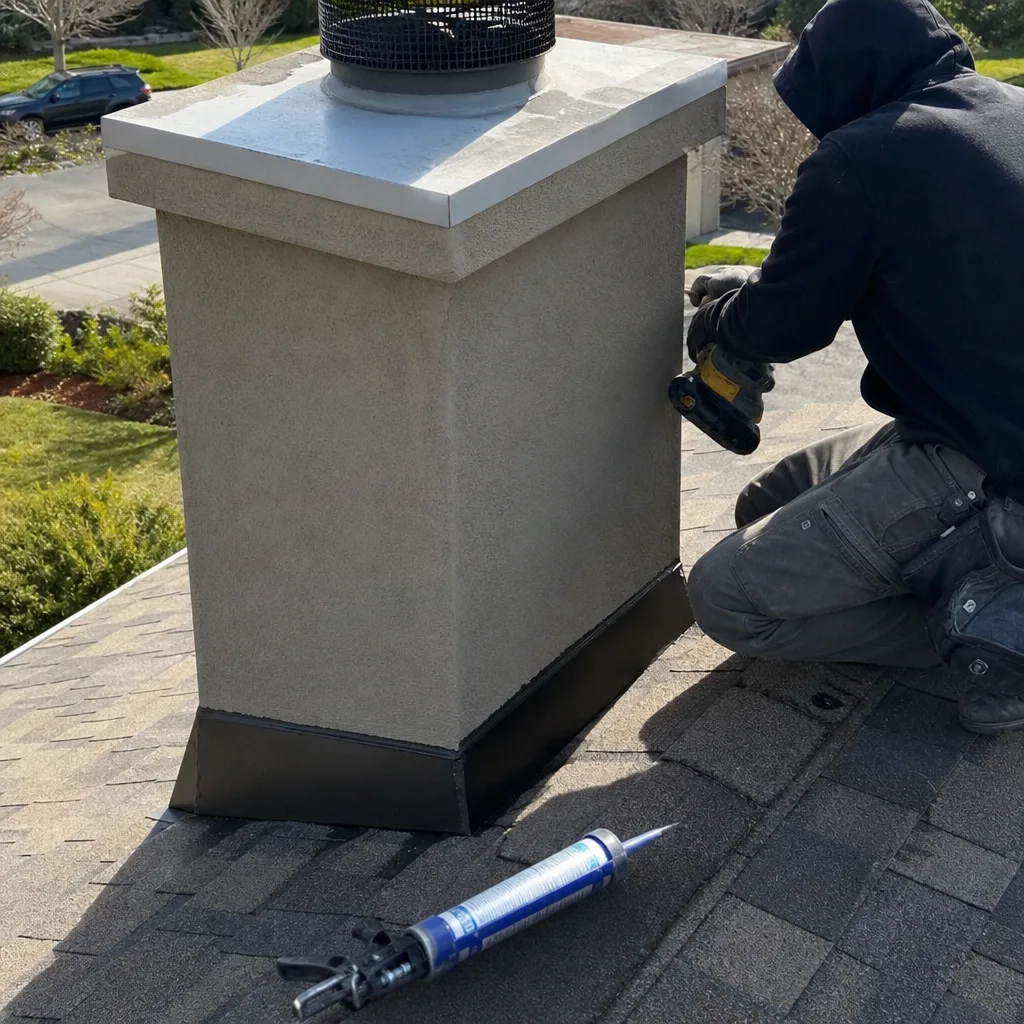
- Chimney cap inspection. The cap keeps rain, birds, and debris out of the flue. Cracked or missing caps are common in older Vermont Vista homes. A cap failure means water has been entering the flue, which accelerates liner deterioration and can turn Stage 1 creosote into a sticky, acidic paste. If the cap is compromised, the sweep may be delayed until a replacement is fitted, because water entry changes what you’re cleaning.
- Crown inspection. The crown is the concrete slab that seals the top of the chimney chase. Small cracks in the crown allow moisture into the masonry, and in a seismic region like Vermont Vista, crown cracks grow year over year. A cracked crown is often repairable with elastomeric sealant if caught early, or with crown rebuild if not.
- Flue liner inspection. Vermont Vista’s older housing stock skews heavily toward clay tile liners. We run a camera down the flue and look for cracked tiles, separated mortar joints, and spalling. What we find here determines the sweep method. A liner with significant cracks should not be aggressively brushed, because rotary action can wedge debris into the cracks and worsen the damage. This is where the diagnostic approach earns its keep: knowing the liner condition before cleaning prevents a sweep from becoming a repair job.
- Smoke chamber inspection. The smoke chamber sits between the firebox and the flue. It’s the most overlooked part of any chimney. In older Vermont Vista fireplaces, smoke chambers are often corbeled brick with rough mortar joints that collect creosote heavily. A standard flue brush doesn’t reach this area. A proper sweep includes smoke chamber cleaning with specialized tools, and if the chamber is badly deteriorated, HeatShield resurfacing can smooth and seal it.
- Firebox inspection. The firebox endures the direct heat of every fire. We check for cracked refractory panels, loose brick, and gaps at the ash dump. Firebox damage is a repair item, not a cleaning item, and on the Chimney Repair in Vermont Vista page we cover what’s involved in restoring one.
This sequence takes fifteen to twenty minutes on a typical residential flue. A sweep that skips it is doing half the job.
What Makes Vermont Vista Chimneys Different
Vermont Vista’s specific geography and housing stock create a risk profile that differs from nearby coastal or inland communities. Understanding that profile helps you read your own chimney more accurately.
First, the climate. Vermont Vista gets cool, damp evenings for much of the year, but almost never the deep, sustained cold of the mountains. The result is what we call “weekend burning”: short fires, a few hours at most, often with whatever wood is on hand. Those short fires never get the flue hot enough, for long enough, to burn off early-stage creosote. The creosote condenses, cools, and hardens between fires. Over a season, that becomes Stage 2 buildup even with infrequent use.
Second, the housing stock. A large share of homes in Vermont Vista were built between the 1950s and 1980s, and clay tile liners are the default in that era. Clay tiles are durable but brittle. They expand and contract at a different rate than the surrounding masonry, and over decades, mortar joints between tiles work loose. Add the region’s low-level seismic activity, and you get a pattern we see weekly: flues with hairline cracks at the mortar joints that look minor on camera but allow heat and gas into the chimney chase. Earthquake activity doesn’t have to be dramatic to matter. A 3.0 tremor can propagate cracks in a clay liner that was already stressed.
Third, roof pitch and access. Vermont Vista has a high concentration of single-story and split-level homes with moderately pitched roofs. That’s good news for sweep access compared to steep-roof mountain homes, but it also means chimneys are often shorter, and shorter chimneys have weaker draft. Weak draft means more smoke lingers in the flue, which means more creosote deposition per hour of burning. A short chimney with a clay liner and weekend burning is a compounding creosote problem.
If any of this sounds like your house, our Chimney Sweep in Vermont Vista service page goes deeper into what we see on specific streets in the area.
What a Proper Sweep Actually Involves
A proper chimney sweep is not a guy with a brush on a pole. It’s a sequenced process that includes protection, mechanical cleaning matched to creosote stage, and documentation. Here’s what to expect.
- Room protection. The area around the fireplace gets drop cloths and a vacuum sealing system. A competent sweep uses a HEPA-filtered vacuum with a negative air setup so soot doesn’t migrate into your living room. If a sweep shows up without a vacuum, that’s a red flag.
- Bottom-up or top-down access. Most Vermont Vista chimneys are swept from the roof, but some configurations, especially wood stoves and inserts, are cleaned bottom-up from the firebox. The method depends on access and liner type, not on convenience.
- Mechanical cleaning. The brush or rotary whip is matched to the creosote stage identified during inspection. Stage 1 gets poly brushes. Stage 2 gets wire brushes or a rotary loop system. Stage 3 usually requires chemical treatment followed by mechanical removal. We use professional-grade tooling and materials from lines like Olympia Chimney and Copperfield, because the equipment has to survive repeated use on hardened creosote without damaging the liner.
- Smoke chamber and damper cleaning. This is the step many under-quoted sweeps skip. The smoke chamber collects a surprising amount of debris, and a clogged or fouled damper mechanism is a common source of smoke backing into the house. The damper gets cleaned, checked for full range of motion, and lubed if needed.
- Post-sweep camera verification. We run the camera again after cleaning and show you what the flue looks like. You should be able to see liner walls, mortar joints, and the cap from below. If a sweep won’t show you post-clean footage, ask why. A clean chimney is a safe chimney, and we can prove it before we leave.
Total time for a standard single-flue sweep in Vermont Vista is 45 to 90 minutes. Add time for Stage 3 chemical treatment, smoke chamber work, or cap replacement. Anyone quoting “20 minutes flat” is not doing the full sequence above.
When Repair Has to Happen Before or After Sweeping
Here’s where the diagnostic approach separates a specialist from a brush-and-run operation. Some repairs must be done before sweeping. Some must be done after. Getting the order wrong can spread debris into places it shouldn’t be, or waste an entire cleaning.
Repairs that come before the sweep:
- Missing or badly damaged caps. Sweeping without a cap in place lets falling debris and water into the flue mid-process, and the post-sweep camera check is compromised.
- Significant crown failure. If the crown is actively shedding concrete into the flue, you want that addressed before cleaning, or you’ll be cleaning the flue and then re-contaminating it.
- Loose brick or spalling in the firebox. Brushing and vacuuming can dislodge already-weak brick, creating a masonry project in the middle of what should be a maintenance visit.
Repairs that come after the sweep:
- Clay tile liner cracks at the mortar joints. You want the flue as clean as possible before assessing liner condition, because creosote can hide small cracks on camera. After a thorough clean, the camera tells the truth.
- Smoke chamber parging or resurfacing. The chamber must be clean before HeatShield or a similar parge material can adhere. Sweep first, then repair.
- Damper replacement. If the damper is seized or warped, cleaning around it is awkward. Sweep the flue, then replace the damper mechanism so it operates freely in the clean opening.
The core point is this: if we find damage during a sweep, we can fix it, no second appointment needed, no referral to someone else. That’s the advantage of a company that does sweeping and repair under one roof. If you’re using a sweep-only service, any liner damage found means a referral, a second visit, and a second invoice.
Dryer Vents: The Second Flue in Your House
Chimneys and dryer vents share the same risk: blocked airflow and heat. We treat both seriously. The lint that accumulates in a dryer vent is not just a nuisance; it’s one of the leading causes of house fires in the U.S., according to NFPA data. A dryer vent clogged with lint is functionally similar to a flue clogged with creosote, and the failure mode is the same: heat builds where heat shouldn’t.
Vermont Vista homes carry a specific dryer vent risk that renters and newer buyers often miss. Older homes frequently have long, multi-elbow dryer vent runs that terminate through the roof or make hard right-angle turns inside walls. Those turns are lint traps. A dryer with a 20-foot vent run and three elbows can clog to dangerous levels in two years, even with a clean lint screen. The lint screen in the dryer catches maybe 40% of what the dryer produces. The rest goes into the vent.
A dryer vent cleaning is a separate service from a chimney sweep, but the diagnostic principle is the same. We run a camera down the vent, identify the clog points, clean with rotary brushes matched to the duct type, and then verify airflow with an anemometer. We also check the exterior termination for proper flapper function. A flapper that doesn’t close is an invitation for rodents and backdrafts.
If you’ve never had your dryer vent inspected, we’d suggest starting with our Dryer Vent Cleaning in Vermont Vista page to understand what’s involved. The fire risk is real, and the fix is straightforward.
Common Mistakes to Avoid
- Burning wet or unseasoned wood. Vermont Vista’s mild climate makes it tempting to burn whatever’s been sitting in the backyard. Wood above 20% moisture content produces heavy, sticky creosote. Season wood at least six months in a dry, covered area.
- Using the damper as a throttle. Closing the damper down to make a fire last longer starves the fire of air and drops flue temperature, which deposits creosote faster. Run the damper fully open during active burning.
- Skipping the post-sweep camera check. If your sweep can’t or won’t show you the flue after cleaning, you have no evidence the job was done. Camera verification is standard for any quality sweep in Vermont Vista.
- Treating a sweep as a fixed-price commodity. A $129 “up to 12 inches of flue” deal is usually just a brush on a pole with no inspection, no smoke chamber work, and no camera. You get what the flue needs when you pay for a real diagnostic sweep, and not before.
- Ignoring the smoke chamber. This is the single most common deficiency in fireplace maintenance. Creosote in the smoke chamber can ignite just as readily as creosote in the flue, and it’s harder to see. A proper sweep includes it.
- Assuming gas chimneys need no service. Gas may not produce creosote, but it produces acidic condensation that eats mortar joints and liner tiles. Gas appliances still need annual flue inspection and occasional sweeping.
- Waiting for a problem to show up. By the time smoke backs into the house or you smell creosote in warm weather, the buildup is advanced. Annual sweeping is cheaper than any repair, and every repair is cheaper than a chimney fire.
When to Call a Professional
Call a sweep in Vermont Vista if you notice any of these: visible soot or creosote flaking inside the firebox or on the damper, a strong campfire smell in the house during humid weather, smoke entering the room instead of drawing up the flue, animals or birds nesting in the cap, or whitish staining on the exterior brick that signals water entry. Also call if you’ve never had the dryer vent cleaned and the dryer has been in place more than two years.
Chimney Sweep Vermont Vista offers free estimates in Vermont Vista. Call (888) 453-5781 and we’ll schedule an inspection, explain what we recommend and why, and show you the camera footage before and after any work. Straight answers about what your flue needs, nothing more, nothing less. Start with our Chimney Sweep Vermont Vista home page if you want a broader look at our three services.
Frequently Asked Questions
A standard chimney sweep in Vermont Vista costs between $180 and $350 for a single flue with Stage 1 or Stage 2 creosote. Stage 3 glazed creosote requires chemical treatment and additional labor, which can push the total to $500 or more. The final price depends on flue height, liner condition, and whether repairs are needed. Call (888) 453-5781 for an exact quote. Estimates are free.
Not always. Small hairline cracks at mortar joints are common in Vermont Vista’s older clay tile liners, and many can be monitored or sealed depending on location and depth. Significant cracking, spalling, or gaps that expose the chase to heat and gas usually require relining or resurfacing. We don’t recommend any liner work without camera evidence you can see for yourself, and we’ll tell you plainly when a crack is stable enough to leave alone.
The NFPA recommends an annual inspection and sweeping as needed. If you burn wood more than twice a month in Vermont Vista, an annual sweep is the minimum because our mild-weather fire patterns deposit creosote disproportionately for the number of cords burned. If you burn wet wood or use the fireplace as a primary heat source, twice a year may be warranted. The deciding factor is creosote stage, not the calendar.
Creosote builds in layers. Stage 2 flaky deposits become Stage 3 glaze, and that glaze becomes a chimney fire waiting to happen. Even without a fire, the acidic residue eats at mortar joints and liner tiles. Skipping sweeps in Vermont Vista accelerates this because our fire habits, short and cool, are the worst-case profile for creosote deposition. The cost of a sweep is always less than the cost of the liner repair that follows neglect.
Yes. Dryer vent cleaning is a distinct service with separate tooling, but we regularly schedule both in a single visit for Vermont Vista homeowners who want their combustion and ventilation systems checked together. Dryer vents and chimneys share the same risk profile: blocked airflow and heat. We treat both seriously, and combining them saves you a second trip charge.
It shouldn’t be. A professional sweep in Vermont Vista runs a HEPA vacuum with negative air pressure during the entire cleaning, uses drop cloths at the firebox, and seals the opening when working top-down. You may notice a faint soot smell for a day afterward in some cases, but there should be no dust migration into the living room. If a sweep shows up without a vacuum, that’s a sign you’re not getting a professional service.
The Bottom Line
A chimney sweep in Vermont Vista is a diagnostic procedure, not a checkbox. The creosote stage in your flue, the condition of your clay liner, and the integrity of your cap and crown determine what the sweep involves and what repairs are needed. Vermont Vista’s mild climate and older housing stock combine to create a creosote-heavy risk profile even for light burners, and a proper sweep with camera verification is the only way to read your flue accurately. Sweep annually, inspect every time, and treat dryer vents with the same seriousness as the chimney itself. For more guides & resources on keeping your home safe, explore our blog. When you’re ready for a straight assessment, we’re at (888) 453-5781.
Written by the team at Chimney Sweep Vermont Vista, serving Vermont Vista since 2017.
See the difference
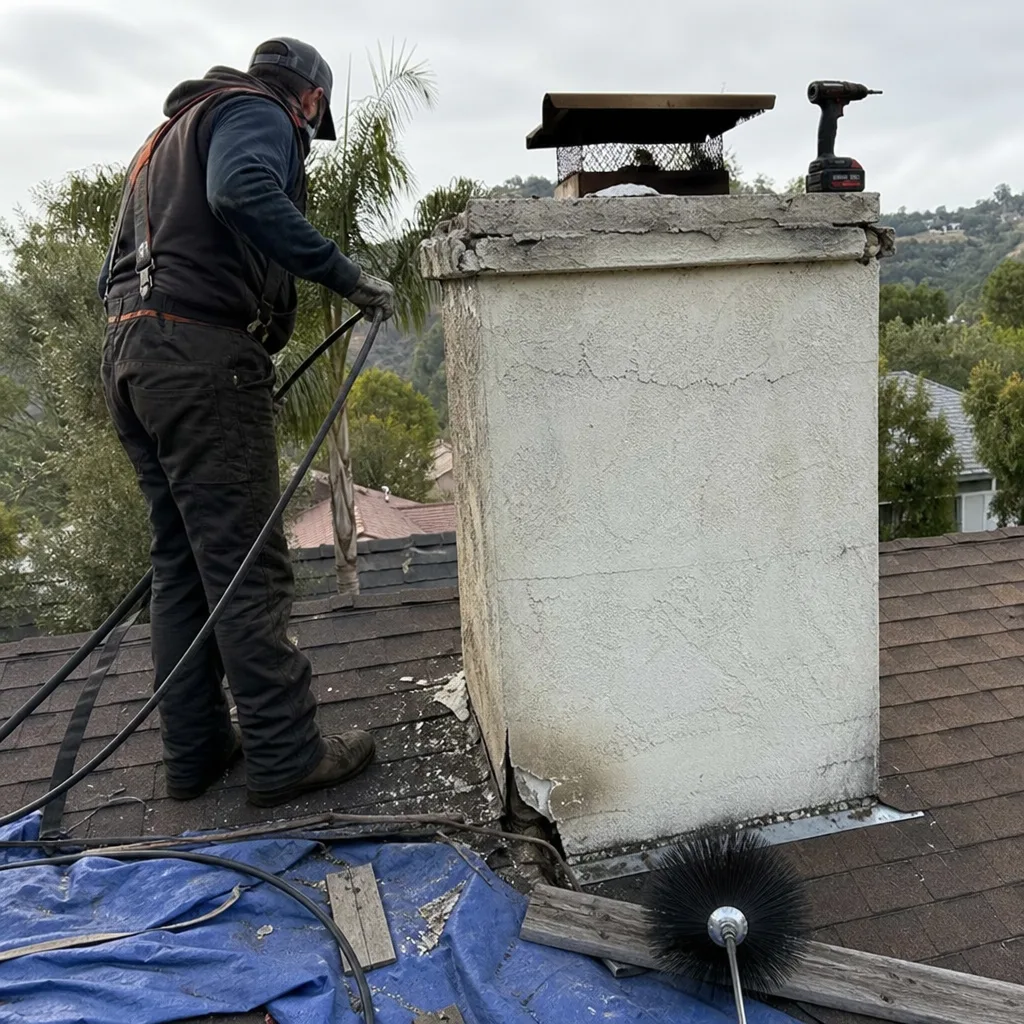 Before
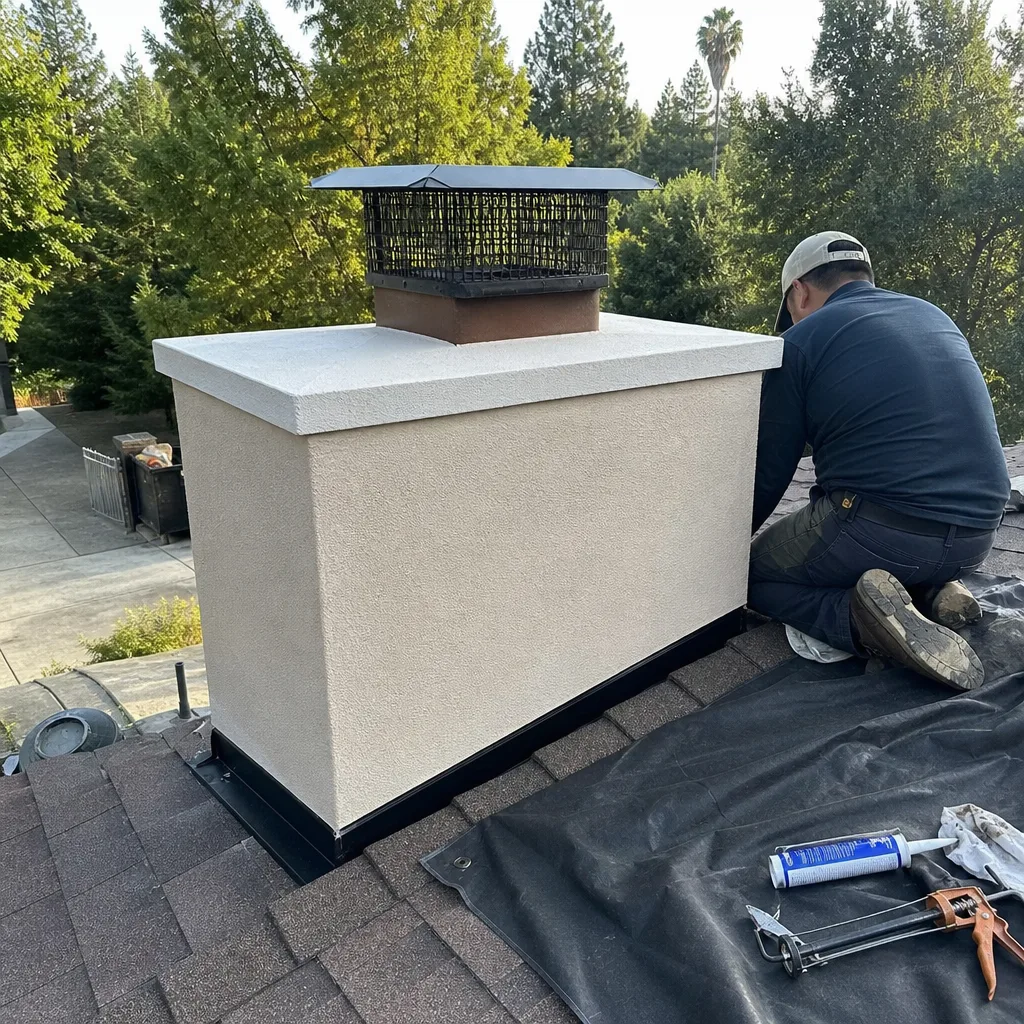 After
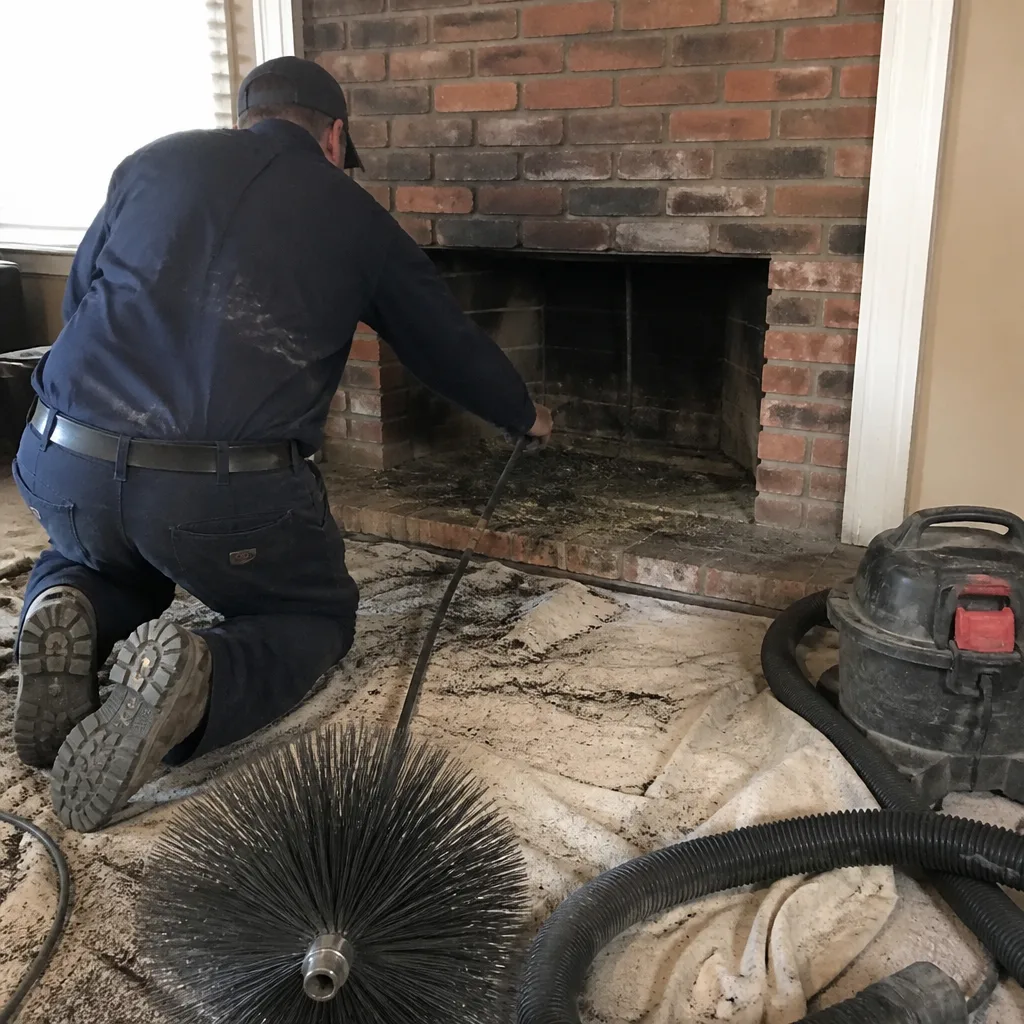 Before
 After
 Before
 After