
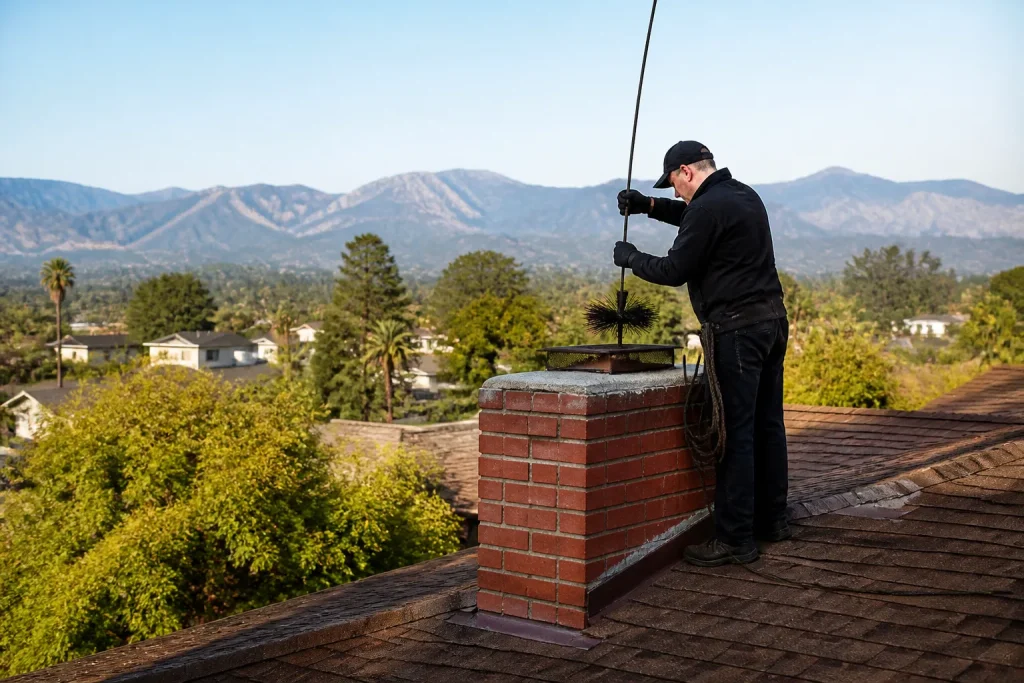
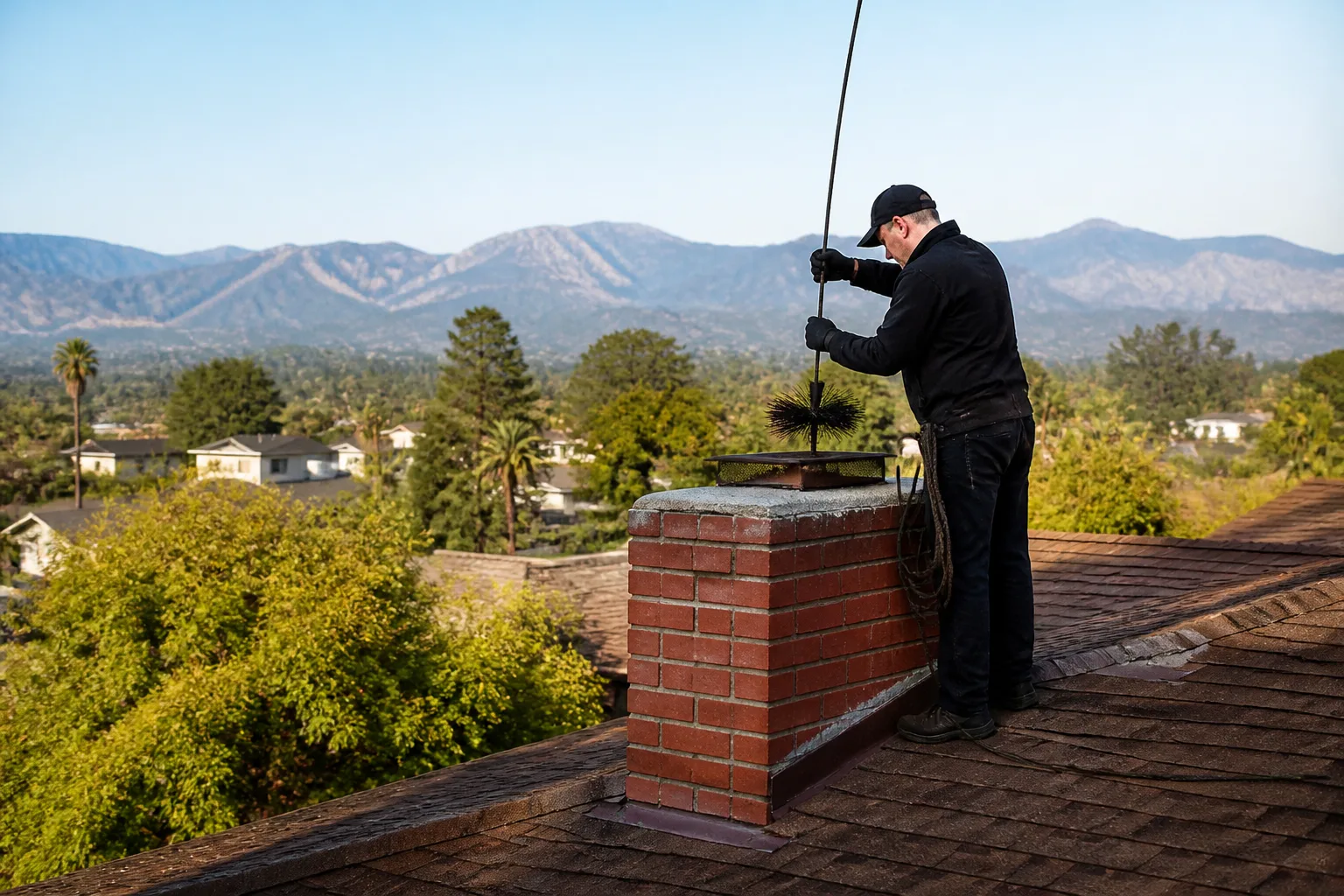
Gelco Chimney Sweep in Vermont Vista: A Homeowner’s Guide
If your sweep just wrote “Gelco liner recommended” on an inspection report, here’s the honest translation: your clay tile flue has damage that’s allowing heat and combustion gases to reach places they shouldn’t, and a flexible stainless liner is the standard fix. Gelco is one of a handful of manufacturers that make liners worth the money. That said, material matters less than the diagnosis behind it. If you’d rather skip the research and just get a straight answer, call (888) 453-5781.
What Gelco Products Actually Solve in Vermont Vista Chimneys
Gelco builds components for masonry chimneys: flexible stainless liners, caps, flashing, and chase covers. These aren’t upgrades in the cosmetic sense. They’re corrective parts. When a Vermont Vista home’s original clay tile liner cracks from a chimney fire, water intrusion, or decades of thermal cycling, the flue stops containing heat properly. Gaps open. Creosote, moisture, and carbon monoxide find paths they were never supposed to take.
Gelco’s flexible liner systems solve that problem without tearing the chimney down. The liner drops down the existing flue from the top, resizes the passage to the correct diameter for the appliance, and gives combustion gases a continuous, insulated path out. In Vermont Vista, where homes span everything from 1960s ranches to newer builds, we see two liner failure profiles most often: clay tiles cracked at the top section from rain saturation, and flues that were oversized for the furnace or stove they now serve. Both are legitimate reasons to reach for a liner.
What a Gelco liner does not do is patch masonry damage, fix a leaning chimney, or replace a rotted chase top. Those are separate repairs. Any sweep who implies one liner solves everything is skipping steps.
304 vs. 316 Alloy: The Detail Most Quotes Leave Out
Gelco makes liners in two stainless alloys: 304 and 316. The practical difference comes down to what you burn.
304 stainless is standard for wood-burning appliances. It handles the intermittent high temperatures from a wood stove or fireplace insert well, and it’s the more common, more affordable option. 316 stainless has molybdenum added, which makes it far more resistant to corrosion. Gas and oil appliances produce acidic condensate that eats through 304 over time, so 316 is the correct call for those fuels. It’s also the right choice for any liner running through a chimney exposed to ocean air, which applies to some of the older homes on the western edge of Vermont Vista where salt and humidity are part of the equation.
If an installer can’t tell you which alloy they’re proposing and why, that’s a red flag. The wrong alloy isn’t a performance downgrade. It’s a premature failure waiting a few years down the road.
What a Gelco Cap Does That Your Factory Cap Doesn’t
The cap is the most overlooked component on any Vermont Vista chimney, and it’s where Gelco products fix two problems we see constantly. The first is UV degradation. Southern California sun is relentless on thin, factory-supplied rain caps. After ten or fifteen years, they warp, crack, and let rain in. The second is sizing. Builders often installed the cheapest cap that fit the flue, which means an undersized spark arrestor that restricts airflow and traps moisture.
Gelco caps are built from heavier-gauge stainless and sized for the actual flue dimensions, not whatever was on the shelf at the supply house. They integrate the spark arrestor mesh with the lid so there’s no gap for embers to escape. In wildfire-prone areas around Vermont Vista, that spark arrestor isn’t optional equipment. It’s the difference between a safe fire and an expensive call to the fire department.
One thing to know: Gelco caps and Chimney Sweep Vermont Vista home service calls aside, a cap only works if the crown underneath it is sound. We’ve pulled cracked caps off chimneys where the real problem was a crumbling concrete crown letting water into the brick below. The fix there is crown repair, then a proper cap. Doing the cap alone buys a year or two at best.
When a Gelco Liner Is the Wrong Recommendation
Here’s where material literacy pays off. A liner is a several-thousand-dollar repair. Tuckpointing is a few hundred. Crown coating lands somewhere between. So when a sweep recommends Gelco liner, you deserve to know the specific damage that justifies it.
Legitimate reasons to recommend relining: cracked or missing clay tile sections visible on camera, gaps at tile joints that show heat transfer to nearby framing, the flue is unsafe and unlined, or the appliance was swapped from an open fireplace to an insert or stove that’s now venting into a flue sized for a different fuel. Those are real, documentable failures.
What’s not a legitimate reason: “It’s old,” “It’s a good upgrade,” or “Insurance will cover it.” Old masonry that’s intact is safe. An upgrade you didn’t ask for is a commission. And your insurance company will be the first to ask for the camera footage.
Any professional recommendation for Gelco products should come with a camera inspection report you can watch yourself. If there’s no video showing the damaged section, there’s no basis for the work. That’s the rule we apply to every chimney we service in Vermont Vista, and it should be the standard you hold any contractor to.
Questions to Ask Before Approving Any Liner Work
When Gelco materials enter the conversation, here’s what to put in front of the contractor before you sign anything:
- What specific failure did you document? Ask for the camera footage. If they can’t show you the cracked tile or the gap, walk away.
- What gauge is the liner? Thinner liners cost less and fail sooner. Two-ply liners outperform single-ply for the same diameter. If the quote doesn’t specify, ask.
- What alloy are you proposing and why? Gas or oil fired appliance means 316. Wood means 304 is usually fine. Wrong answer means wrong liner.
- What’s the warranty and who honors it? Gelco warranties their products, but installation errors void coverage. A contractor who won’t stand behind the install is telling you something.
- Did you check whether tuckpointing or crown repair would resolve the issue? If they haven’t considered the less invasive fix, they’re not diagnosing. They’re selling.
These questions take two minutes. They save Vermont Vista homeowners thousands. A good sweep welcomes them. A bad one gets defensive. That’s the tell.
The Materials Behind the Fix Matter
Gelco isn’t the only brand we work with, and it shouldn’t be the only name you hear from a contractor. A competent chimney company selects materials by the job, not by what’s on the truck. That’s why our Chimney Sweep in Vermont Vista work also pulls from manufacturers like Famco, Copperfield, and DuraFlex, each of which has strengths in different applications: caps and dampers, venting components, and liner systems respectively.
The point isn’t brand loyalty. It’s that a sweep who can explain why a particular material fits your flue is working from knowledge, not habit. When we recommend Gelco, it’s because the damage profile calls for what Gelco builds: a flexible stainless liner that handles the specific heat and corrosion conditions of the fuel you burn. When we recommend something else, same logic applies.
For Vermont Vista homeowners, this distinction matters most when a chimney inspection turns up a problem. You don’t need to become a materials engineer. You need to know enough to tell the difference between a documented repair and a sales pitch. If the person on the other side of the estimate can’t answer the questions above clearly, call someone else.
Related Services in Vermont Vista
If you’re already down the rabbit hole of chimney research, you may also want to look at our Dryer Vent Cleaning in Vermont Vista page. Dryer vents fail for the same reason chimneys do: blocked airflow and heat. If you’re dealing with liner damage or cracked flue tiles, our Chimney Repair in Vermont Vista service covers the full range of masonry and liner work.
What happens when you call
- 1
A real person answersNo phone trees – you reach a local pro.
- 2
You get an upfront price rangeHonest numbers before anyone is dispatched.
- 3
A background-checked tech heads outLicensed & insured, dispatched right away.
- 4
You approve before work beginsNothing starts until you say go.
The Bottom Line
Gelco builds legitimate, professional-grade chimney components. Flexible liners, heavy-gauge caps, and flashing that outlast hardware store alternatives. But the product is only as good as the diagnosis that puts it on your chimney. Vermont Vista homeowners should demand camera evidence, ask about alloy and gauge, and understand exactly what problem the material is solving. If you want a straight answer about what your flue actually needs, Chimney Sweep Vermont Vista home service includes a documented inspection before any repair is quoted. Free estimates at (888) 453-5781.
Frequently Asked Questions
Installed, flexible stainless liner systems in the Vermont Vista market typically run $2,200 to $4,800 depending on flue height, accessibility, and whether the liner needs insulation wrap. The liner itself is a portion of that; labor, permits, and the cap replacement make up the rest. Get at least two written quotes and require camera documentation of the damage before approving anything. For an exact quote on your chimney, call (888) 453-5781.
Yes. Gelco manufactures professional-tier stainless liner systems, caps, and flashing components comparable to other established brands in the industry. The quality is there. What matters more for your Vermont Vista home is correct alloy selection, proper sizing, and professional installation. A premium liner installed wrong fails faster than a mid-tier liner installed right.
A properly installed Gelco 316 liner on a gas or oil appliance can last 20 to 30 years, sometimes longer. A 304 liner on a wood-burning appliance typically lasts 15 to 25 years with regular sweeping. Burning wet wood, skipping annual cleanings, or installing the wrong alloy for the fuel type will shorten that lifespan significantly.
We don’t recommend it. Installing a flexible chimney liner involves working at height, handling stainless that’s under tension, and correctly connecting the liner to the appliance and cap. Mistakes you can’t see from the ground, such as kinked liner sections or improper termination, create fire and carbon monoxide risks. This is one of the few chimney repairs where a licensed professional is genuinely the only safe option. Call (888) 453-5781 and we can look at what you’re working with.
Written by the team at Chimney Sweep Vermont Vista, serving Vermont Vista since 2017.
Need Chimney Cleaning Help?
Call Chimney Sweep Vermont Vista - licensed & insured, here with fast help in Vermont Vista.
(888) 453-5781